
Travel businesses often focus on products, pricing and technology. Yet according to Dr. Martin Oduor-Otieno, the industry’s most valuable asset is neither its booking system nor its inventory.
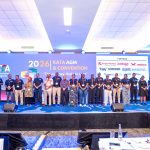
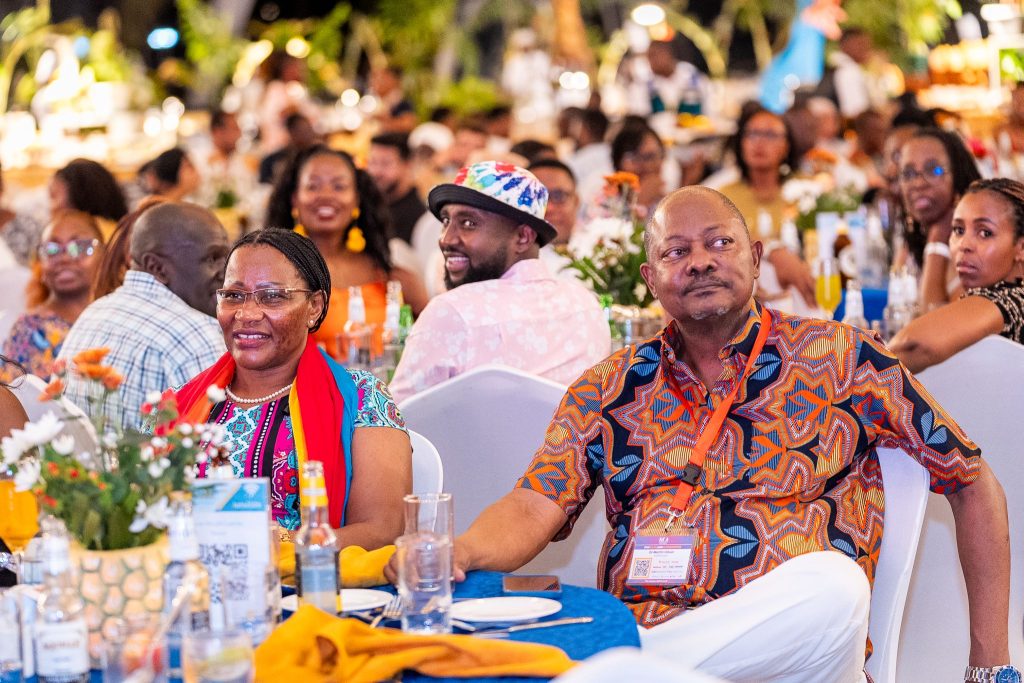
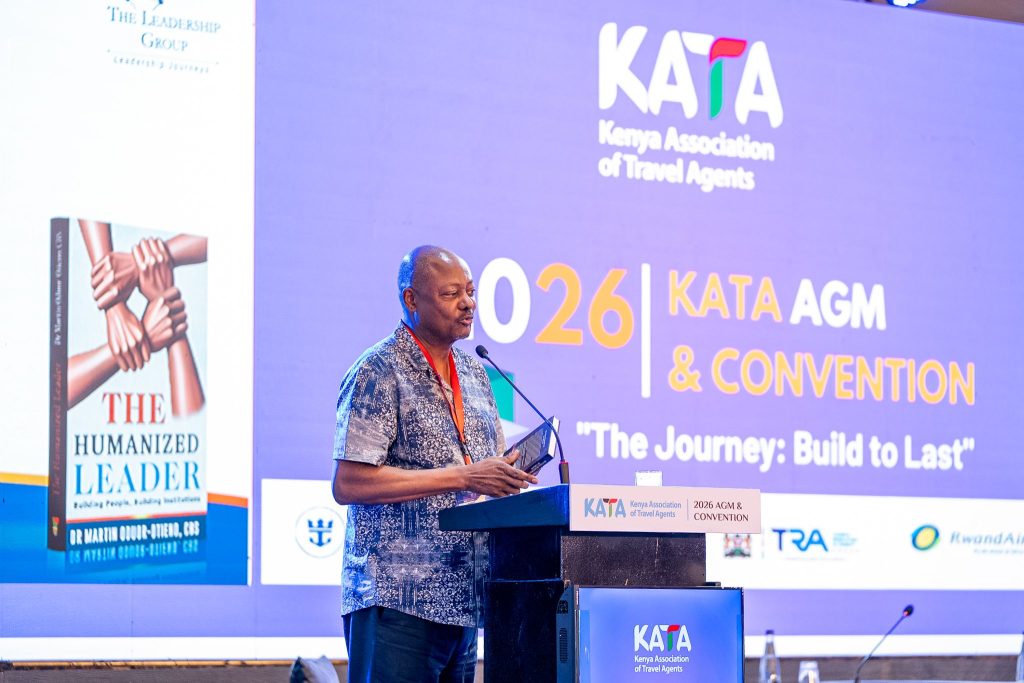
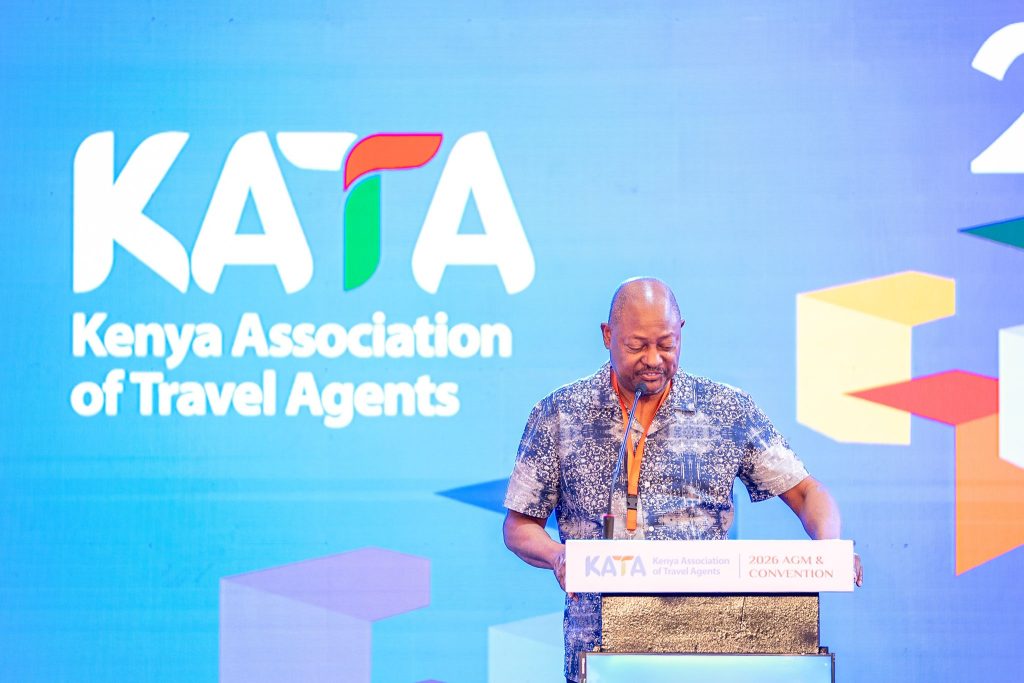
“In travel, your product is not a ticket. Your product is an experience, and your team delivers it,” he told delegates during the 2026 KATA AGM & Convention in Mombasa.
The statement formed the foundation of his presentation on Human-Centred Leadership, where he challenged travel industry leaders to examine how they lead, motivate and invest in their people.
For an industry built on customer experiences, the quality of service ultimately depends on the people delivering it. A flight booking, safari package or holiday itinerary may open the door to a journey, but it is employees who transform that journey into a memorable experience.
It is for this reason, Dr. Oduor-Otieno argued, that organizations seeking long-term success must pay as much attention to culture and people as they do to strategy.
“Execution is what makes a difference between a successful organization and others,” he said.
While many organizations dedicate significant resources to developing strategies, success often depends on the ability to execute those plans effectively. According to Dr. Oduor-Otieno, that execution begins with people.
“As we lead, we have to look at how we humanize our culture. How do we invest in the human wellbeing, growth and psychological safety in an organization?” he posed.
His message comes at a time when businesses across sectors are increasingly recognizing the importance of employee wellbeing and engagement. For travel companies, where customer interactions define the brand experience, creating environments where employees can thrive is becoming a strategic necessity rather than a human resource initiative.
“Employees come first if they are well looked after,” he said.
The reasoning is simple. Employees who feel valued and supported are more likely to provide exceptional service, solve problems effectively and create positive experiences for customers.
“How do you make a customer feel? Human-centred leadership talks about that,” he noted.
The emphasis on feelings and experiences reflects a broader shift in leadership thinking. Customers may not remember every detail of a transaction, but they often remember how an interaction made them feel. In travel, where emotions and memories are central to the product itself, those moments matter even more.
However, Dr. Oduor-Otieno was quick to dispel the notion that human-centred leadership is synonymous with leniency.
“Human-centred leadership does not mean it is soft. At the end of the day, the target must be met,” he said.
Rather than lowering standards, he argued, human-centred leadership creates the conditions that allow people to achieve them. Strong performance and empathy are not competing priorities; they are complementary ones.
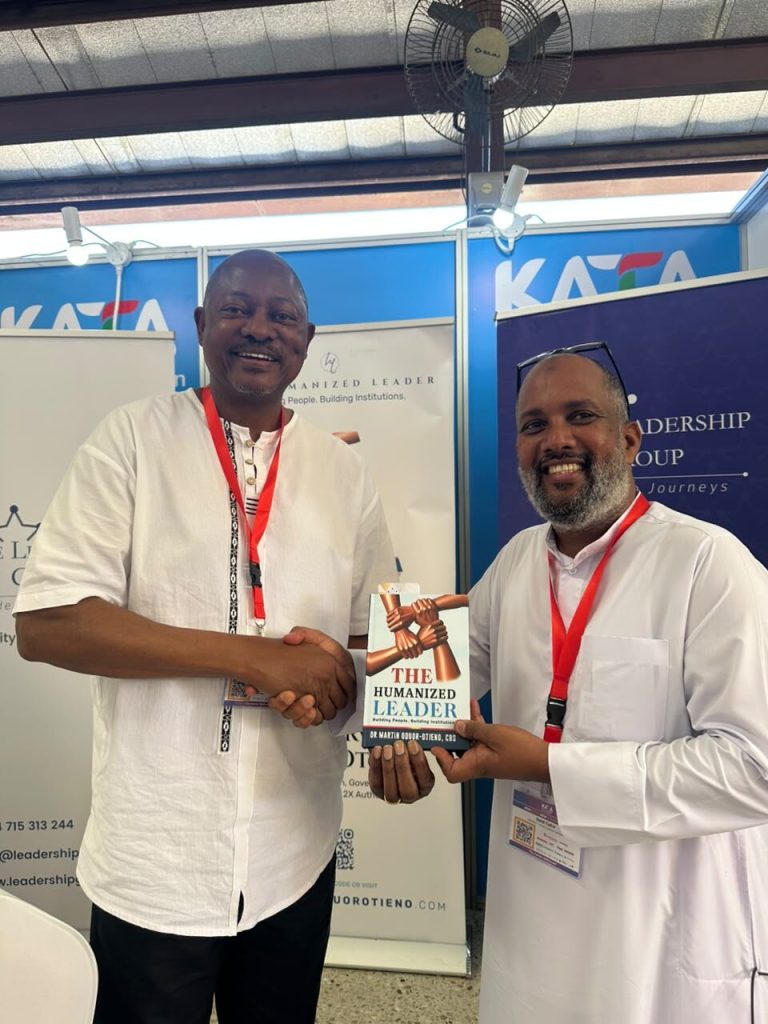
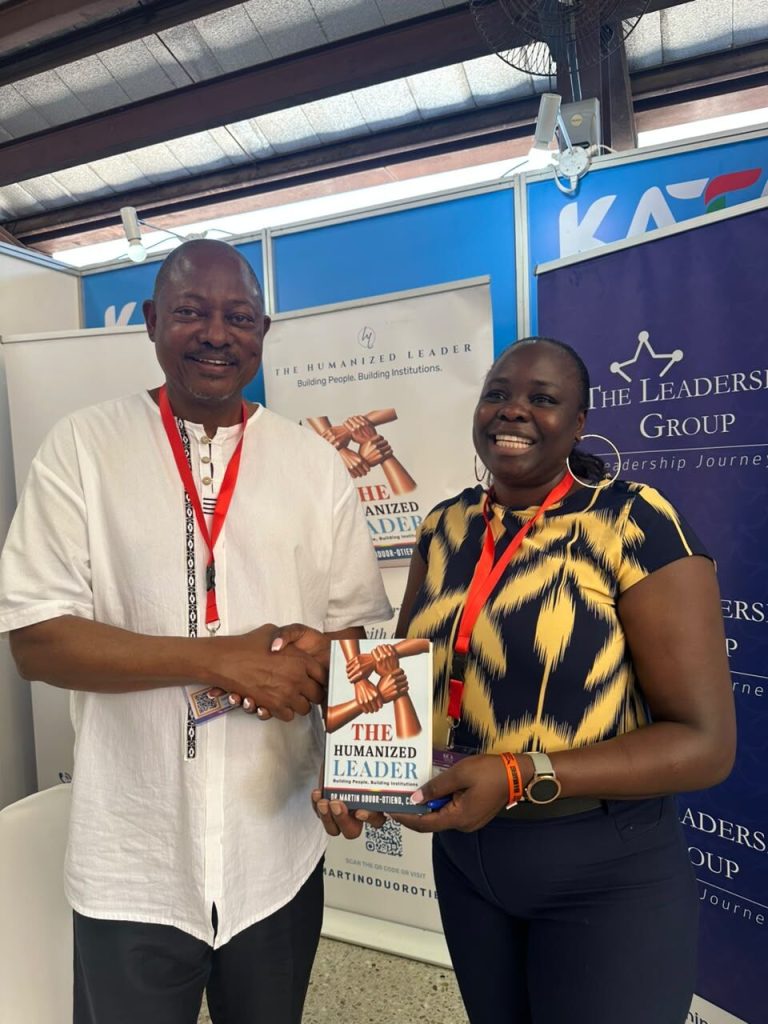
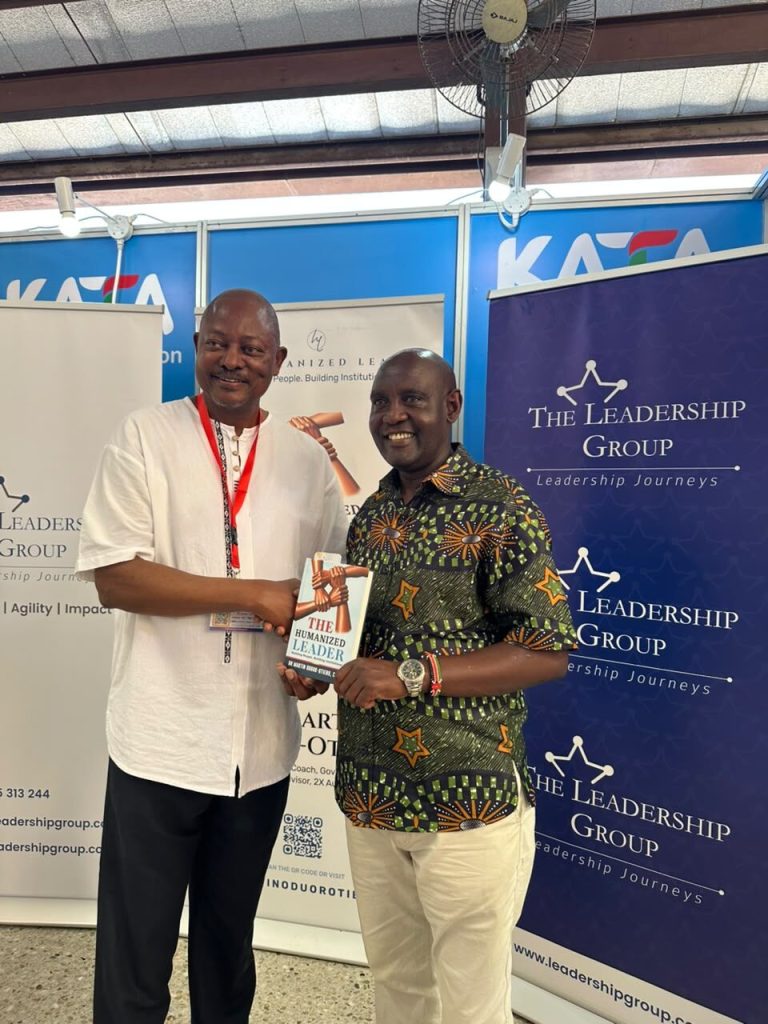
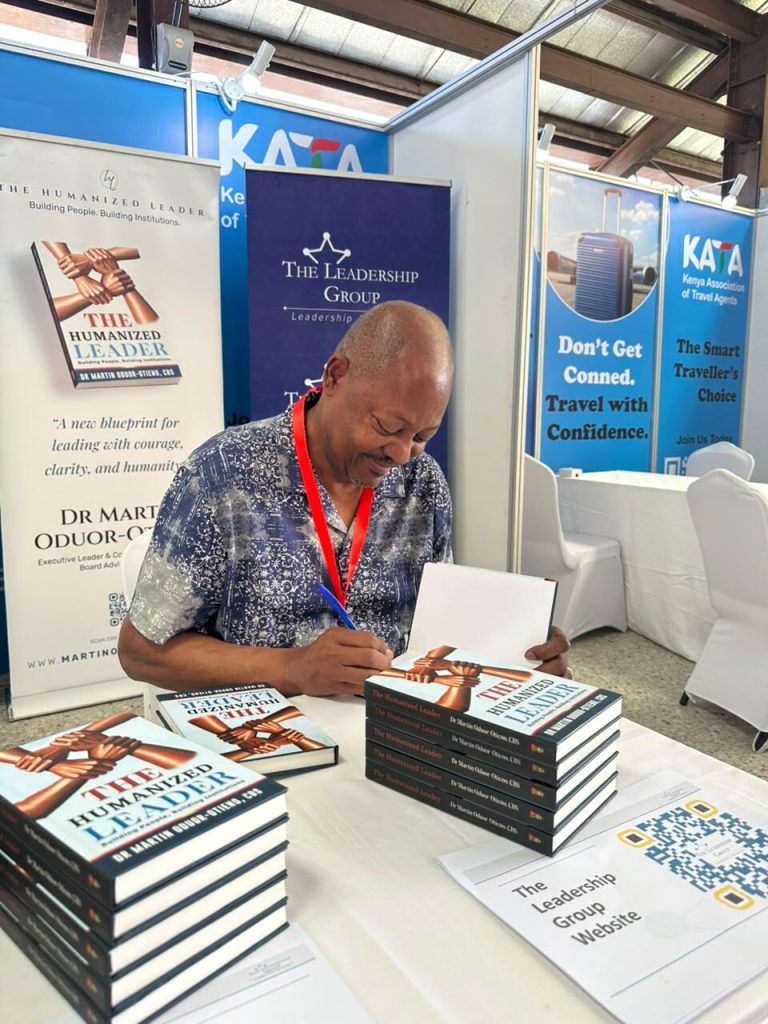
Central to this approach is creating workplaces where people feel heard and respected.
“Creating a chance for every voice to be heard” is essential, he said, particularly in organizations seeking innovation, engagement and long-term sustainability.
Such environments are more likely to inspire what he described as discretionary effort — employees willingly going beyond the minimum requirements of their roles.
“How can you get discretionary effort from your employee? Going beyond their job?” he asked.
The answer, he suggested, lies not in policies or procedures alone, but in leadership that builds trust, encourages participation and gives employees a sense of purpose and belonging.
As organizations navigate an increasingly complex business environment, Dr. Oduor-Otieno urged leaders to view leadership as a long-term commitment rather than a short-term exercise.
“Leadership is not easy. It requires courage and determination. It requires leaders who are looking after their people well and achieve what targets you want to,” he said.
“Leadership is a marathon. It is not an event.”
His message resonated strongly with the convention’s theme, “The Journey: Build to Last,” serving as a reminder that enduring organizations are built not only through strategy and systems, but through people.
And in an industry where the product is ultimately an experience, investing in the people who deliver that experience may be the most important competitive advantage of all.