

Kenya’s tourism and travel industry is entering a critical phase where strong recovery is no longer the central challenge. Sustaining that growth is. After a period of rebound marked by rising visitor numbers and revenues, the sector is now grappling with deeper structural questions around resilience, digital transformation, shifting airline distribution models, and the need for stronger industry coordination.
According to the Kenya Tourism Sector Performance Report 2025, the industry generated approximately KSh0.5 trillion in earnings while recording an estimated 7.9 million tourists, including 2.7 million international visitors and 5.2 million domestic travellers. While these figures underscore a robust recovery, they also highlight the scale and complexity of managing continued growth in an increasingly competitive global environment.
Globally, travel demand is also expanding, but at a more moderate pace. Industry data shows international tourist arrivals grew by about 4 per cent in 2025, reinforcing the reality that destinations are competing more aggressively for market share. At the same time, the International Air Transport Association (IATA) has pointed to rising operational pressures, including fuel costs and capacity constraints, which continue to shape airline pricing and route decisions, factors that directly affect travel agents and the broader tourism value chain.
Within this evolving landscape, Kenya’s travel trade is confronting a convergence of issues. The shift toward direct airline distribution and digital booking platforms is redefining the role of traditional travel agents, forcing many to adapt their business models. At the same time, increasing demand for seamless travel experiences is accelerating the need for investment in technology, skills, and service delivery.
Sustainability has also moved to the forefront of industry priorities. As global travellers become more conscious of environmental and social impact, destinations and service providers are under growing pressure to embed responsible tourism practices into their operations. For Kenya, this presents both an opportunity to differentiate its offering and a challenge in ensuring standards are consistently applied across the sector.
Equally pressing is the need for stronger collaboration across the tourism ecosystem. Despite growth, the industry remains fragmented, with gaps in coordination between travel agents, airlines, hotels, technology providers, and policymakers. Stakeholders say aligning these players is essential to unlocking new opportunities, improving efficiency, and ensuring that growth is both inclusive and sustainable.
It is against this backdrop that the Kenya Association of Travel Agents (KATA) is convening its 2026 Annual General Meeting and Convention, positioning it not just as a routine industry gathering but as a necessary forum to address these emerging challenges.
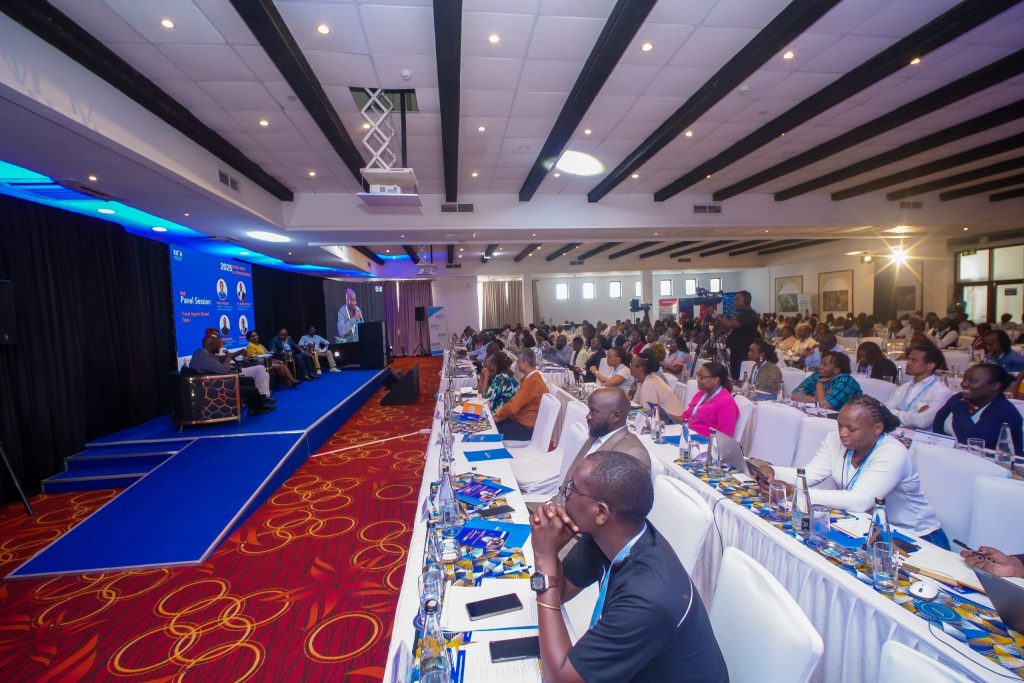
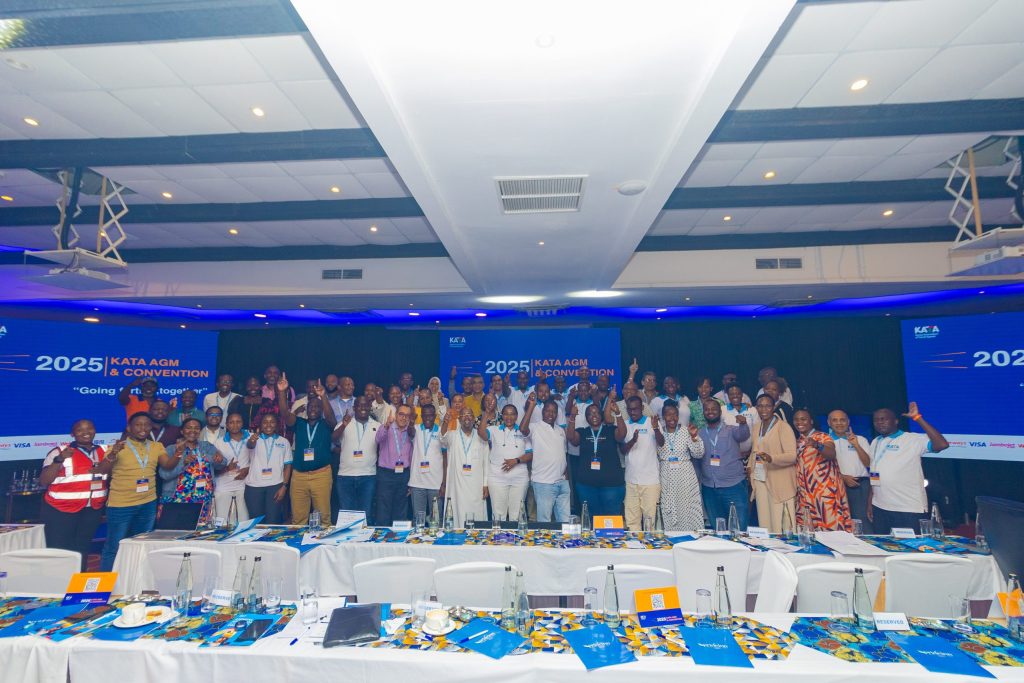
Scheduled for June 4–6, 2026, in Mombasa, the convention is expected to bring together a broad cross-section of stakeholders to engage on the issues shaping the future of travel and tourism. The choice of venue, the PrideInn Paradise Beach Resort & Spa, provides the setting, but the focus is firmly on substance. Creating space for dialogue, alignment, and practical solutions.
Under the theme “The Journey: Built to Last,” the event reflects a shift in industry thinking, from short-term recovery to long-term resilience. Discussions are expected to centre on how to adapt to changing distribution models, leverage digital innovation, strengthen partnerships, and build a more sustainable tourism ecosystem.



For many in the industry, the need for such engagement has become increasingly urgent. As Kenya positions itself within a competitive global market, stakeholders say that platforms like the KATA convention are essential, not only for sharing insights but for shaping a coordinated response to the challenges ahead.
In that sense, the 2026 gathering represents more than an annual meeting. It is a reflection of an industry at a turning point, one that must now move beyond growth figures and confront the structural shifts that will define its future.