
A global shift in tourism policy is transforming how the travel industry approaches accessibility, moving beyond basic compliance toward a comprehensive model of “inclusive tourism.” New government mandates and industry-wide structural changes are increasingly ensuring that travelers with disabilities have access to the same experiences as their non-disabled counterparts.
According to recent industry data, the “Purple Pound”—a term referring to the spending power of disabled households—is becoming a critical economic driver. In response, international tourism boards and private operators are overhauling infrastructure to meet the needs of a demographic that has historically been underserved.
Governments worldwide are beginning to treat accessible tourism not as a niche requirement, but as a fundamental right. New legislative frameworks are being introduced to mandate “Universal Design” in public spaces, transport hubs, and hospitality venues. This approach ensures that environments are inherently accessible to all people, regardless of age, size, or ability, without the need for specialized adaptation.
From the implementation of tactile paving and audio-described museum tours to the mandatory installation of level-access boarding on public transit, these policies are bridging the gap between intention and reality.
The industry is moving away from the “accessible-on-request” model toward “Total Accessibility.” Key developments in this sector include:
- Accessible Tour Operators: A new wave of travel firms is specializing in end-to-end accessible itineraries, vetting every hotel, restaurant, and transport link for barriers before a guest arrives.
- Digital Transparency: Travel platforms are under increasing pressure to provide granular data on accessibility, such as door widths, bathroom grab-bar locations, and the availability of quiet spaces for neurodivergent travelers.
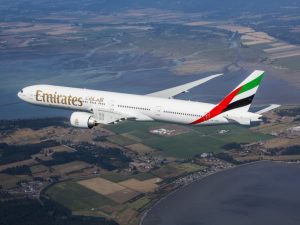
- Infrastructure Integration: Major airlines and rail networks are investing in “seamless” transit technology, reducing the physical strain and logistical complexity often associated with traveling with mobility aids.
Practical Planning and Industry Evolution
As inclusive tourism becomes a reality, the focus is shifting toward “practical empowerment.” Industry experts note that the most successful destinations are those providing clear, reliable information that allows travelers to plan with confidence. This includes “sensory maps” for those with cognitive disabilities and detailed topographical guides for wheelchair users.
The evolution of the sector is also being driven by a change in perception. Rather than viewing accessibility as a “cost,” many leading tourism hubs now view it as a “competitive advantage.” Destinations that invest in inclusive infrastructure are seeing higher rates of return visits and longer stays from a demographic that values reliability and safety above all else.
While significant hurdles remain—particularly in the standardization of accessibility ratings across different countries—the trajectory of the global travel market is clear. As official government policies continue to align with practical planning tools, inclusive tourism is no longer a future goal but a present-day reality, reshaping the world’s most popular destinations into spaces that are truly open to everyone.
Source : travelandtourworld.com