

Every industry has its boardroom.
For Kenya’s travel trade, it increasingly looks like a KATA Chairman’s Breakfast.
There are no breaking news announcements. No ribbon cuttings. No grand product launches.
Instead, there are numbers. Big numbers.
The kind that tells the story of an industry far better than opinion ever could.
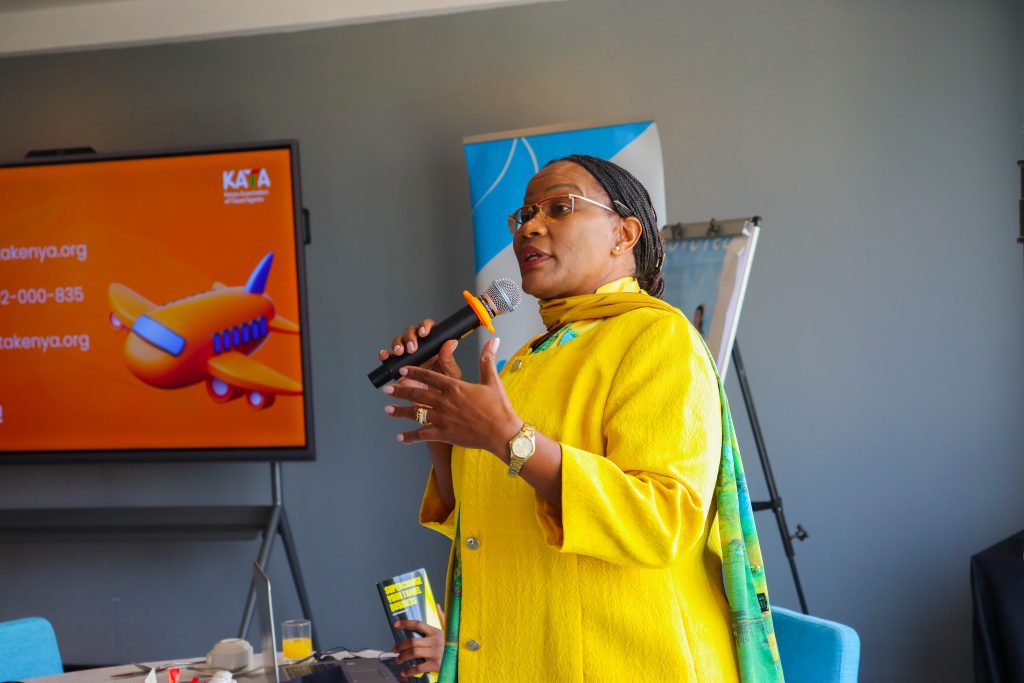
At this week’s Chairman’s Breakfast Meeting, KATA Chairman Dr. Joseph Kithitu walked members through Kenya’s latest BSP performance, painting a picture of an industry that is not merely recovering but growing. The headline figure was impossible to ignore.
USD 241.8 million.
That is what Kenya recorded in BSP sales by May 2026, representing a 10 per cent increase over the same period in 2025. April emerged as the standout month with an impressive 24.7 per cent year-on-year growth, while cash sales accounted for 91.3 per cent of total transactions. Evidence of strong liquidity and sustained consumer demand.
Those figures alone translate into tens of billions of shillings moving through Kenya’s aviation and travel ecosystem. Yet even those numbers tell only part of the story.
BSP captures airline ticket sales processed through IATA’s settlement system. Today’s travel market extends well beyond that. Direct airline bookings, NDC transactions, online travel platforms, and other distribution channels continue to account for an increasing share of airline sales.
In other words, the actual value of Kenya’s travel economy is considerably larger than the figures presented on the screen. For many businesses, that would have been enough. Celebrate the growth. Applaud the numbers. Move on.
Instead, the Chairman asked a far more uncomfortable question.
“Take these numbers, relate them to your business. Are you keeping pace or are you being left behind?”
That changed the atmosphere in the room. The presentation stopped being about national performance. It became personal because industry growth means very little if individual businesses are not growing alongside it.
The numbers had done their job. Now came the conversation.
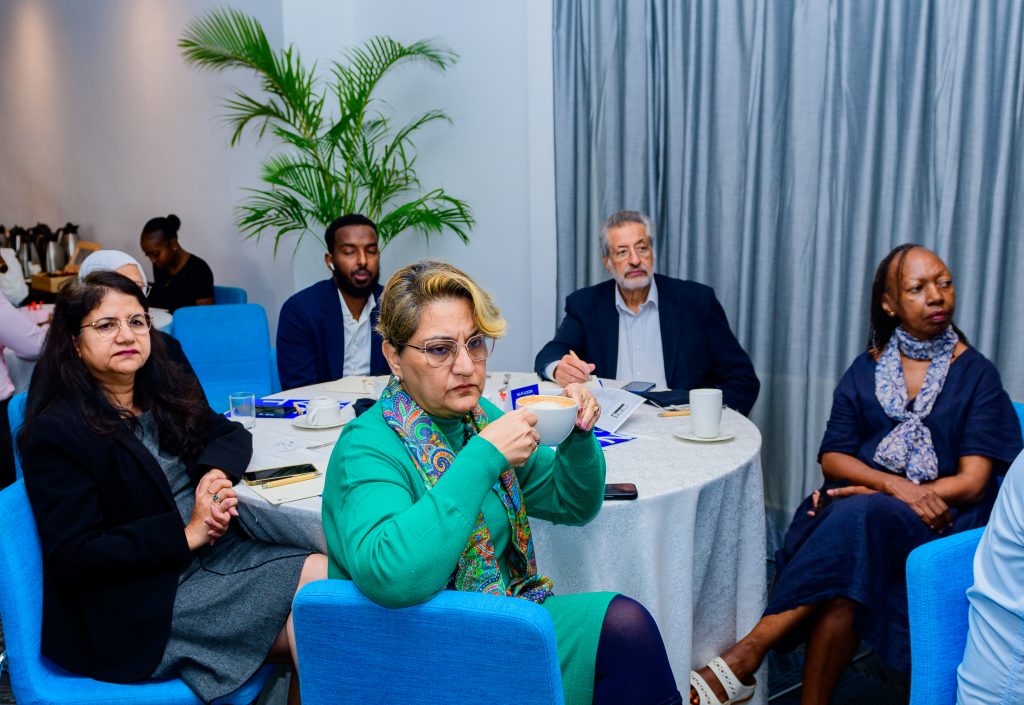
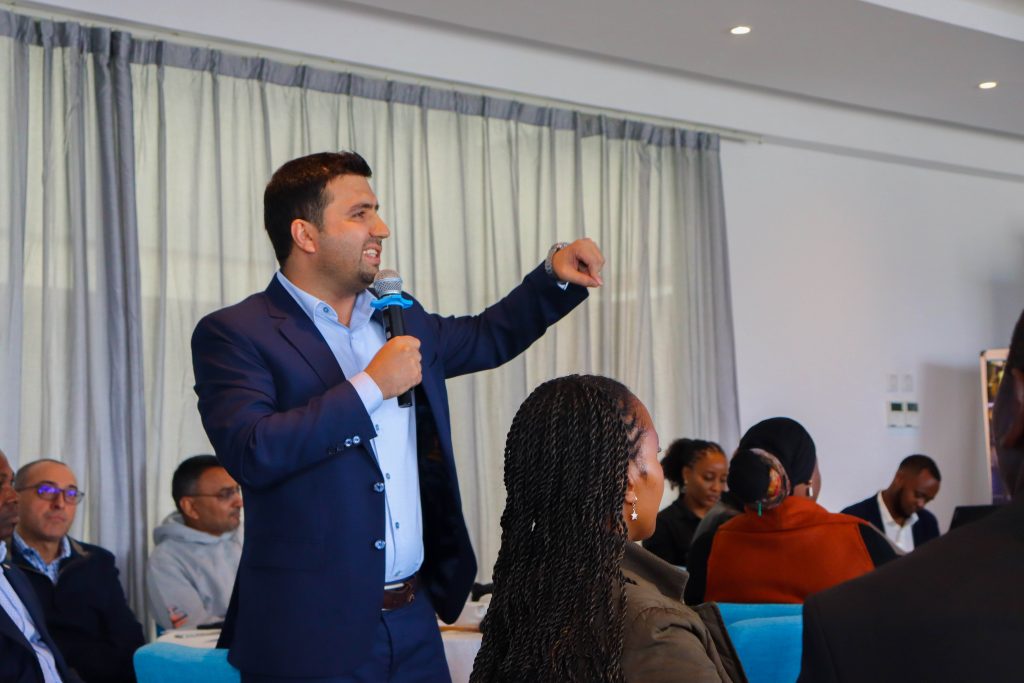
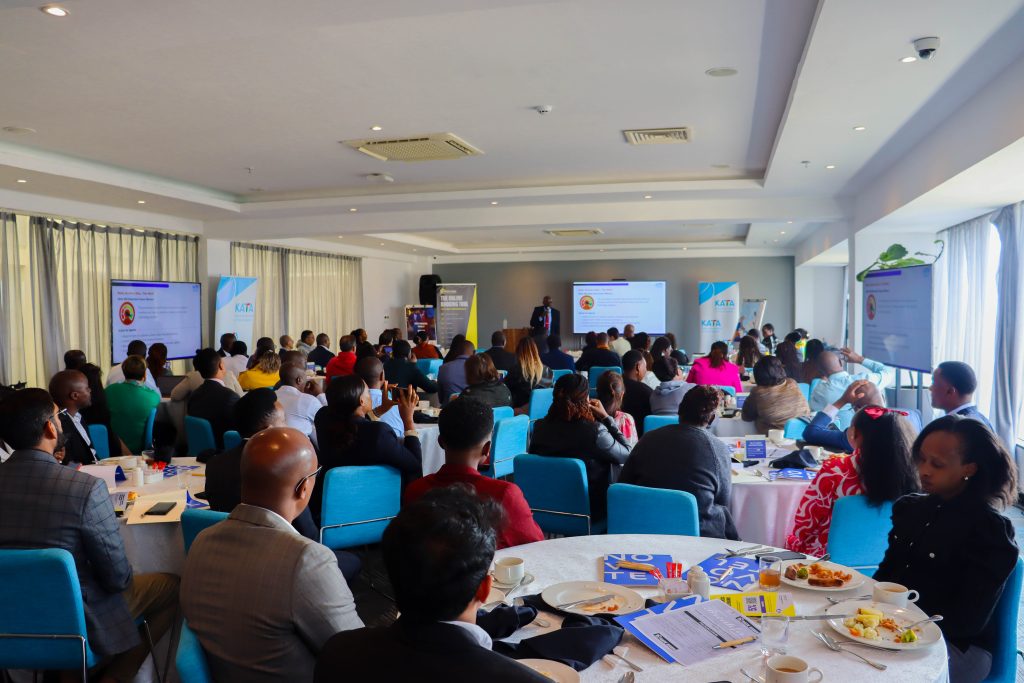
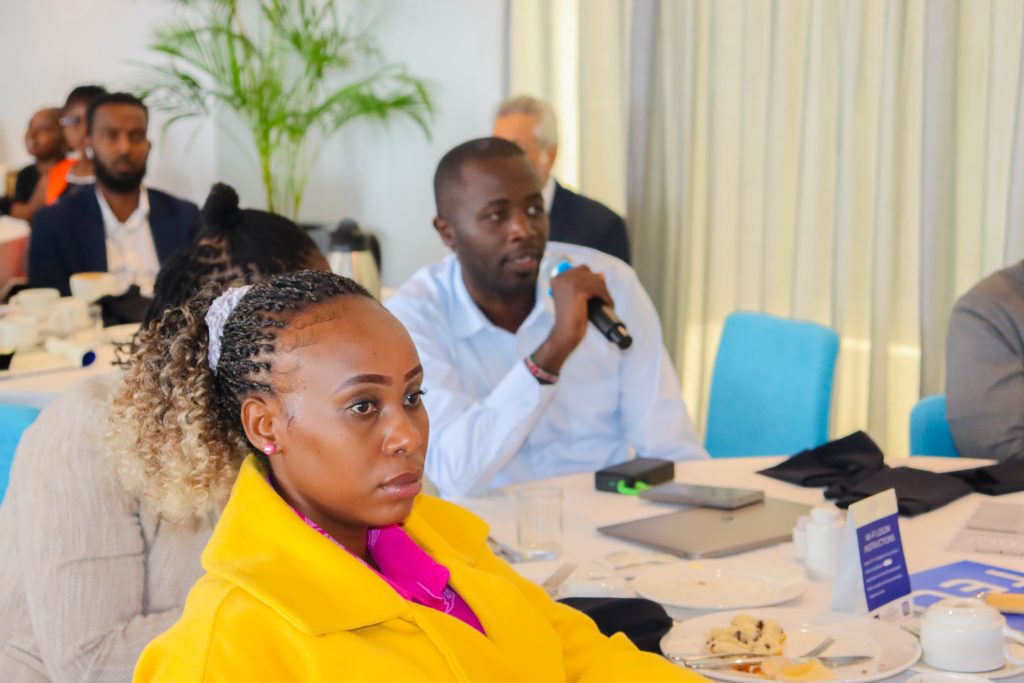
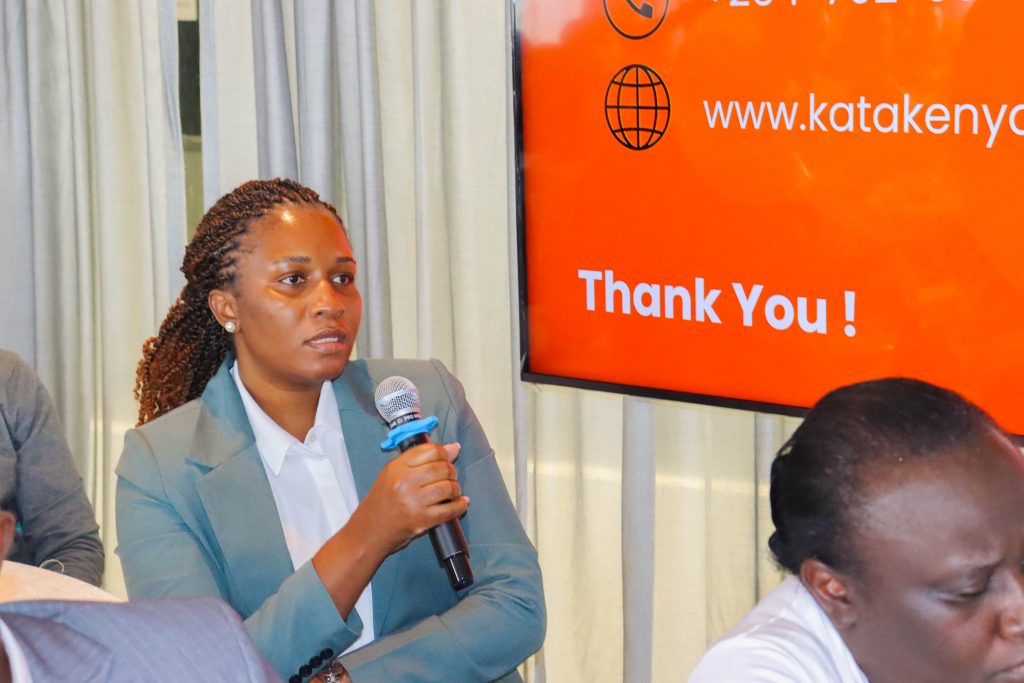
One by one, travel agency owners picked up the microphone and spoke passionately about the state of the market. Business is growing. Travel demand is returning with remarkable strength. Some of Kenya’s leading agencies are handling more enquiries than they can comfortably manage. The opportunity exists.
The challenge is ensuring more agencies are positioned to benefit from it.
Repeatedly, speakers returned to one simple idea. Growth is not accidental. It is a choice—a decision to invest. A decision to modernise. A decision to rethink the way business is done. That naturally brought the discussion to the technologies redefining global travel.
Artificial Intelligence. New Distribution Capability (NDC). Automation. Digital booking ecosystems.
For years, much of the conversation around these technologies has centred on disruption and uncertainty.
This room viewed them differently. The consensus was strikingly clear.
Don’t fight technology. Don’t fight AI. Don’t fight NDC. Embrace them.
The agencies that will thrive over the next decade will not necessarily be the largest. They will be the ones quickest to adapt, quickest to learn, and quickest to use technology to create better experiences for travellers.
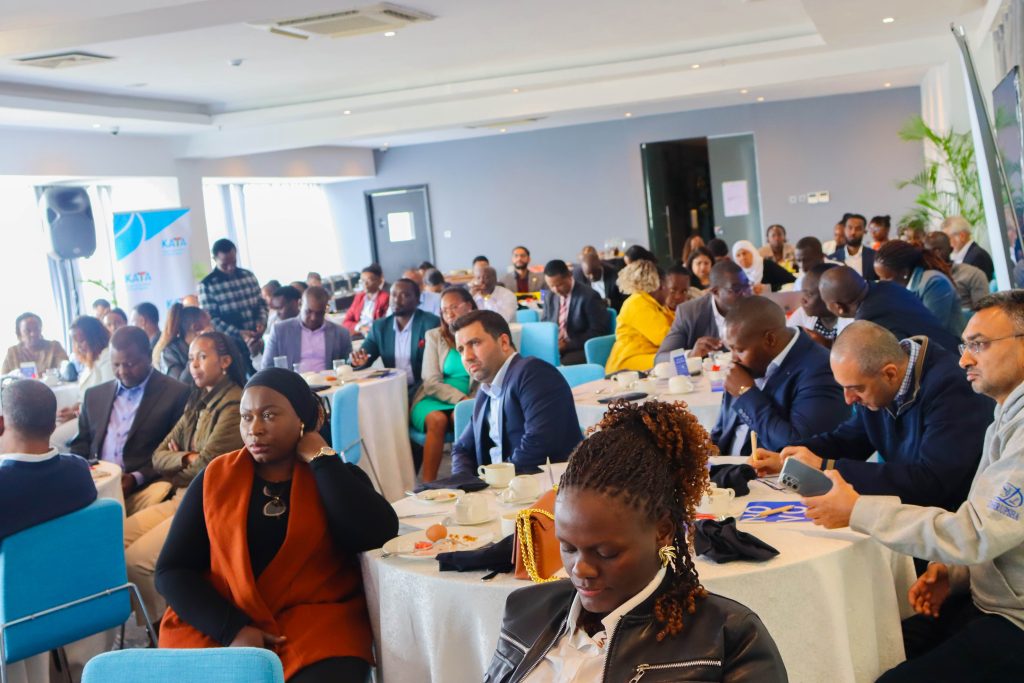
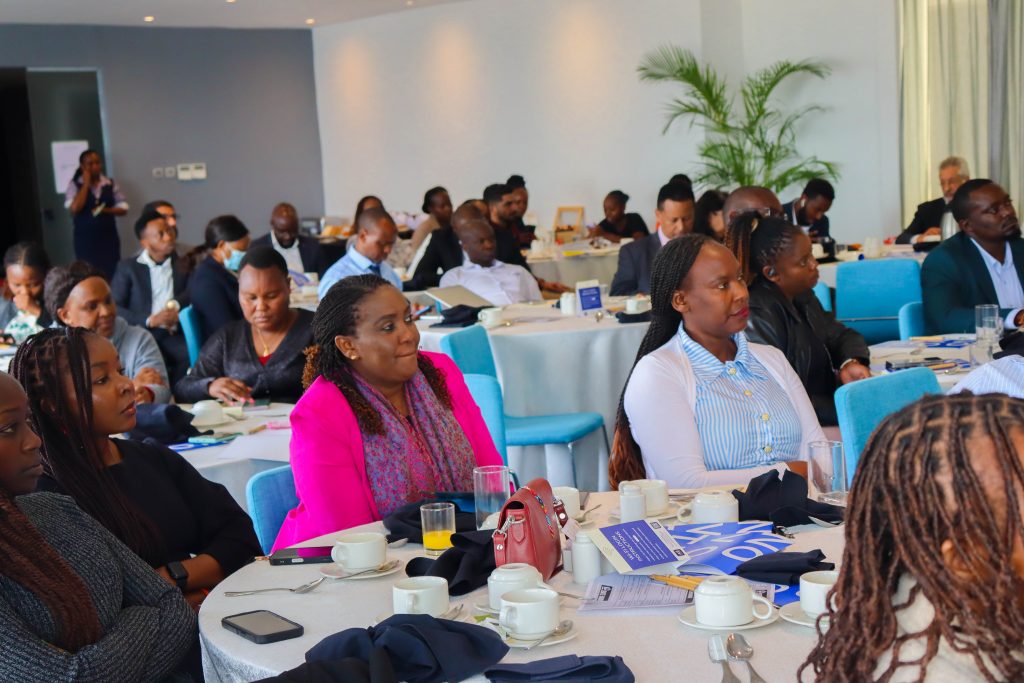
Perhaps the most encouraging aspect of the morning was not the data itself but the willingness of members to openly debate what it means. The conversations were candid. Experienced agency owners shared what they were seeing in the market. Others spoke honestly about the pressures facing smaller businesses. There was an acknowledgement that while the industry is growing, not everyone is growing at the same pace.
That is precisely why these meetings matter.
Markets do not transform because statistics improve. They transform when businesses respond to those statistics.
The Chairman’s Breakfast has quietly become one of the few spaces where the industry pauses long enough to analyse itself. Not through speculation, but through evidence.
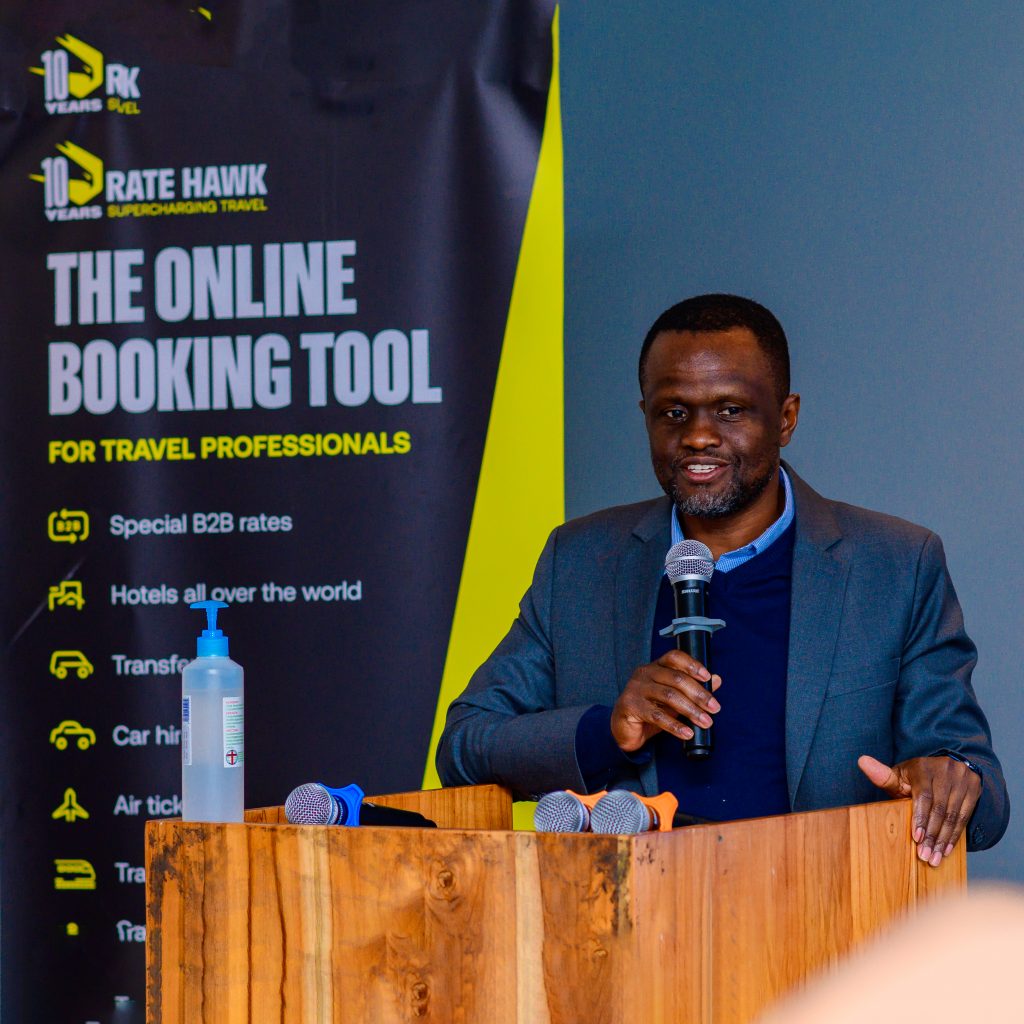
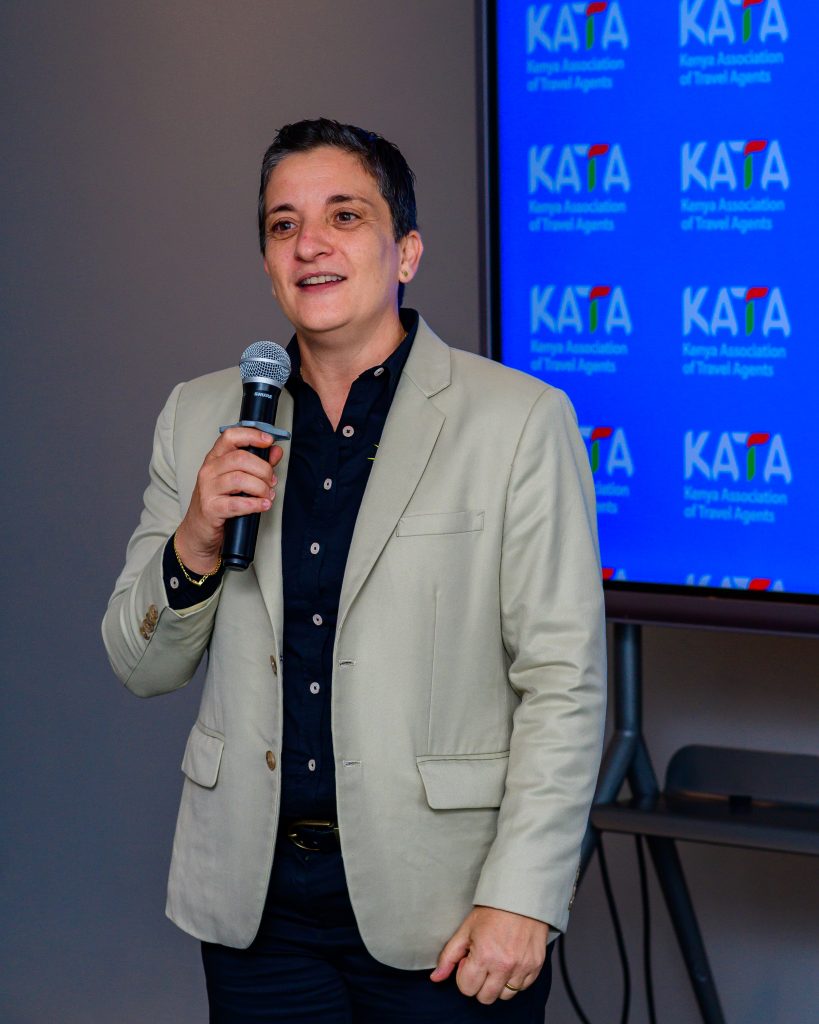
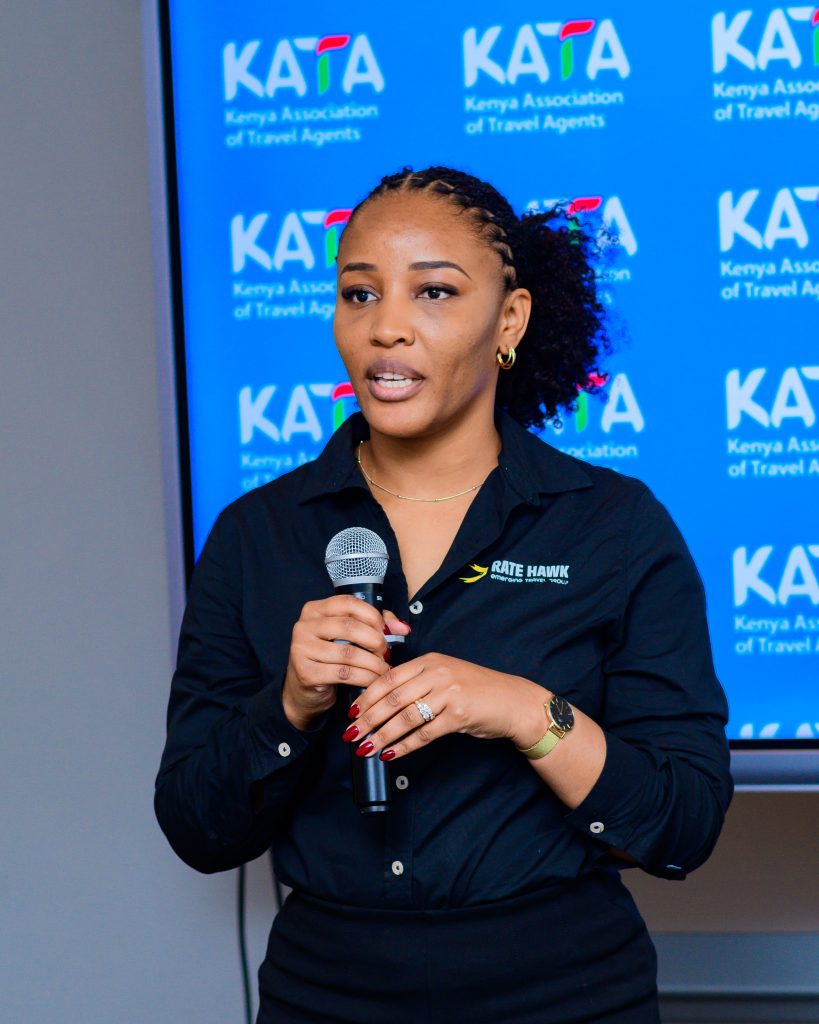
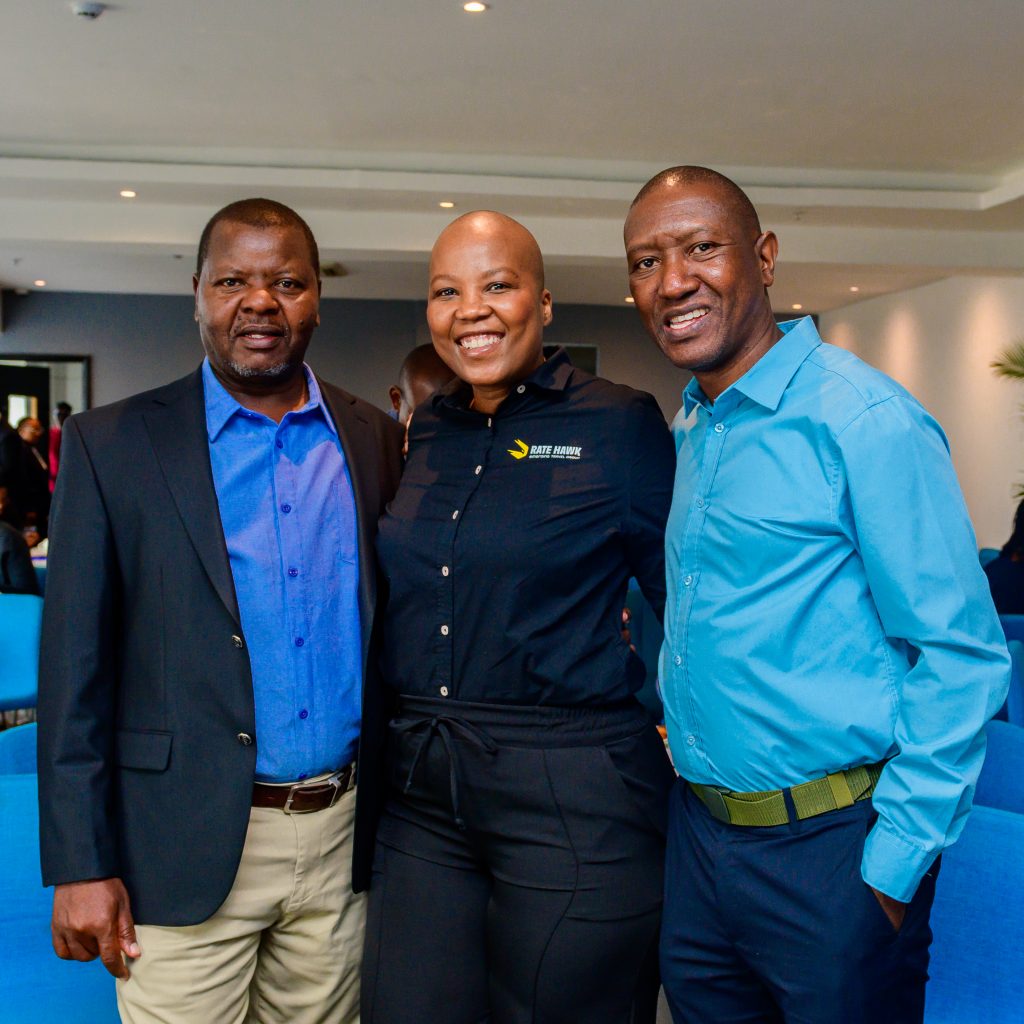
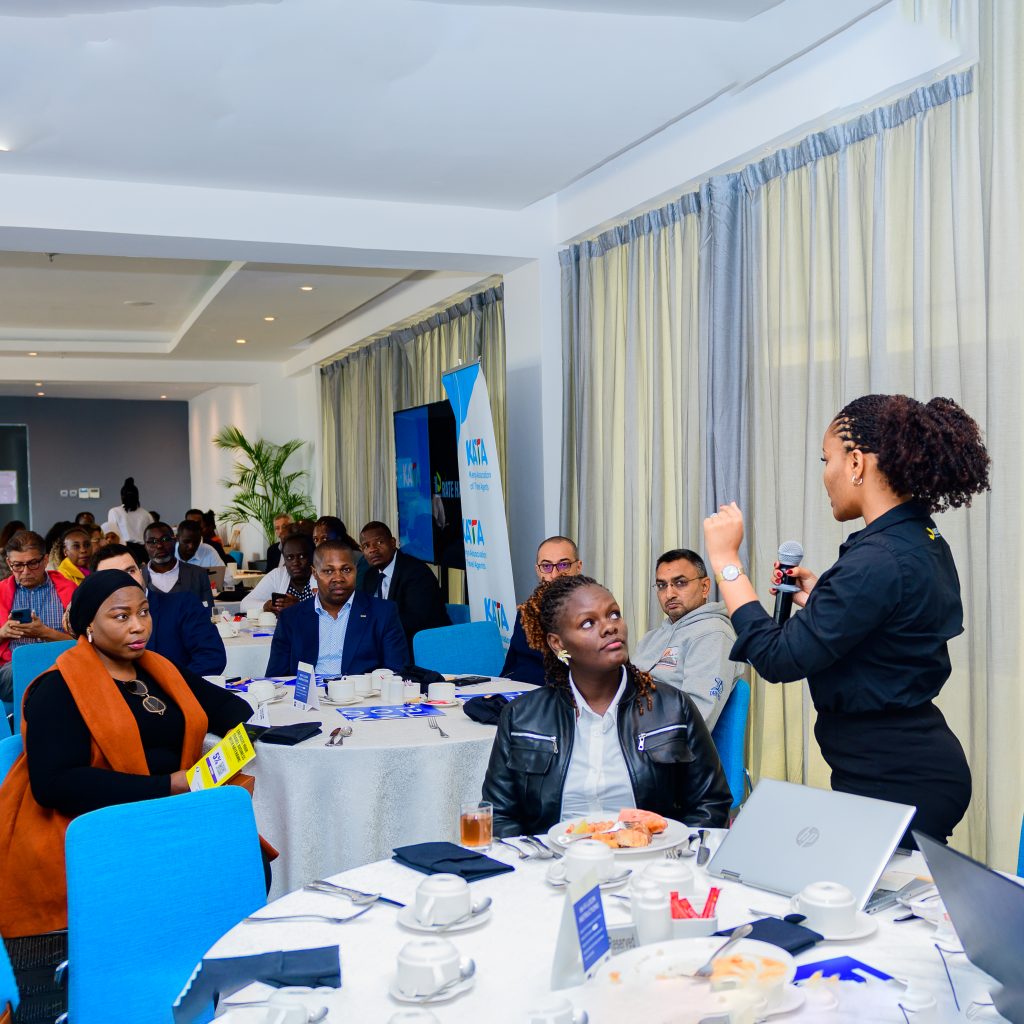
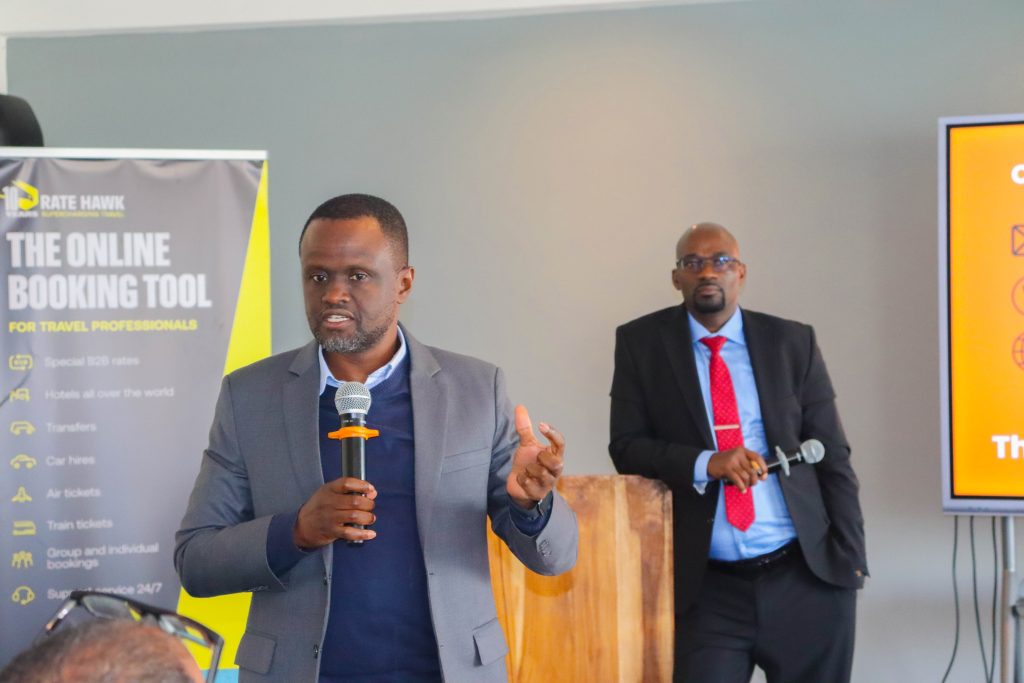
The partnership with RateHawk, which is celebrating its tenth anniversary this year, added another layer to the discussion. Insights shared by Ratehawk’s leadership reinforced how global distribution, technology, and changing traveller behaviour are reshaping opportunities for African travel businesses.




But perhaps the most valuable lesson from the morning was that data, on its own, changes nothing.
Numbers inform. People decide.
The USD 241.8 million was never the destination. It was the starting point.
It challenged every agency in the room to ask whether it was merely witnessing Kenya’s travel industry’s growth or actively participating in it.
That is what increasingly defines KATA Chairman Breakfast Meetings. They begin with statistics. They evolve into a strategy.
And long after the coffee cups are cleared away, the conversations continue inside boardrooms, across agency offices, and among industry leaders making decisions that will determine who captures the next wave of growth.
In an industry moving as quickly as travel, those conversations may be every bit as valuable as the numbers that spark them.