

If there was one myth Juanita Vorster wanted the room to leave behind, it was this: that the future of work can be explained by generational labels.
Addressing more than 350 delegates at the 2026 Kenya Association of Travel Agents (KATA) AGM & Convention in Mombasa, the renowned strategist and international speaker challenged travel industry leaders to rethink how they attract, manage, and retain talent in an increasingly diverse workplace.
Her session, “The Future Workforce: Managing Gen Z and Preparing for Gen Alpha,” was not a lesson about generations. It was a lesson about people.
“The common misconception is that Gen Z are not patient,” she observed. “Every generation has characteristics we can complain about. Let’s not focus on that. When we talk about generations, we get annoyed.”
For Juanita, that annoyance has become a distraction.
“If we continue getting annoyed, we cannot have a winning industry.” Instead of asking whether Gen Z behaves differently, leaders should be asking a more meaningful question. “It is not how we experience behaviour but what drives behaviour.”
That shift in thinking formed the foundation of her message throughout the session. Labels, she argued, rarely solve workplace challenges. Understanding people does.
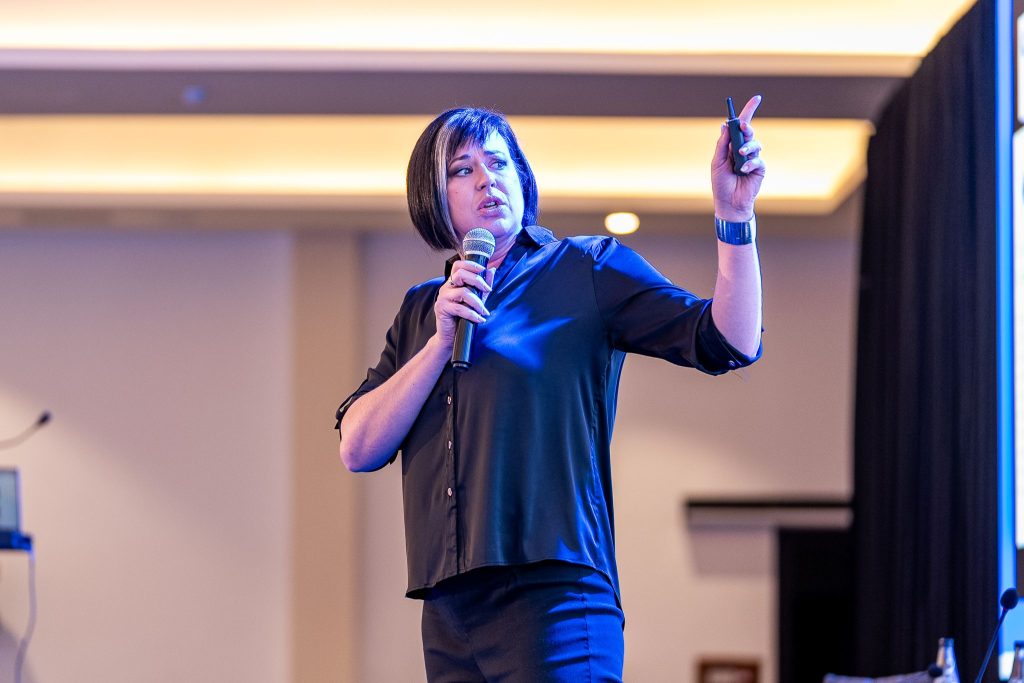
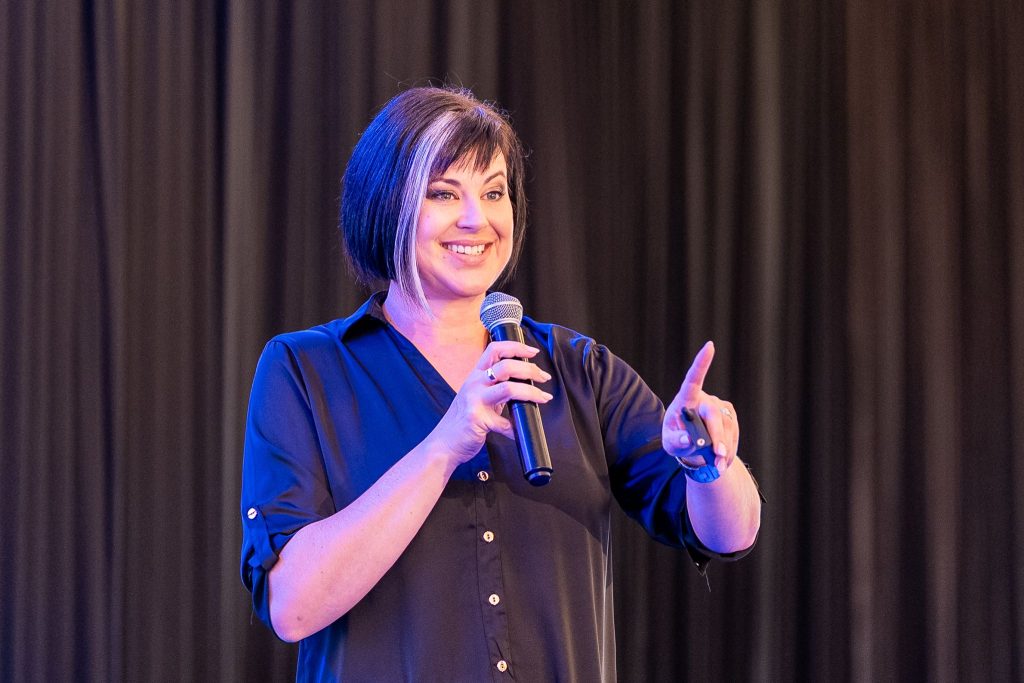
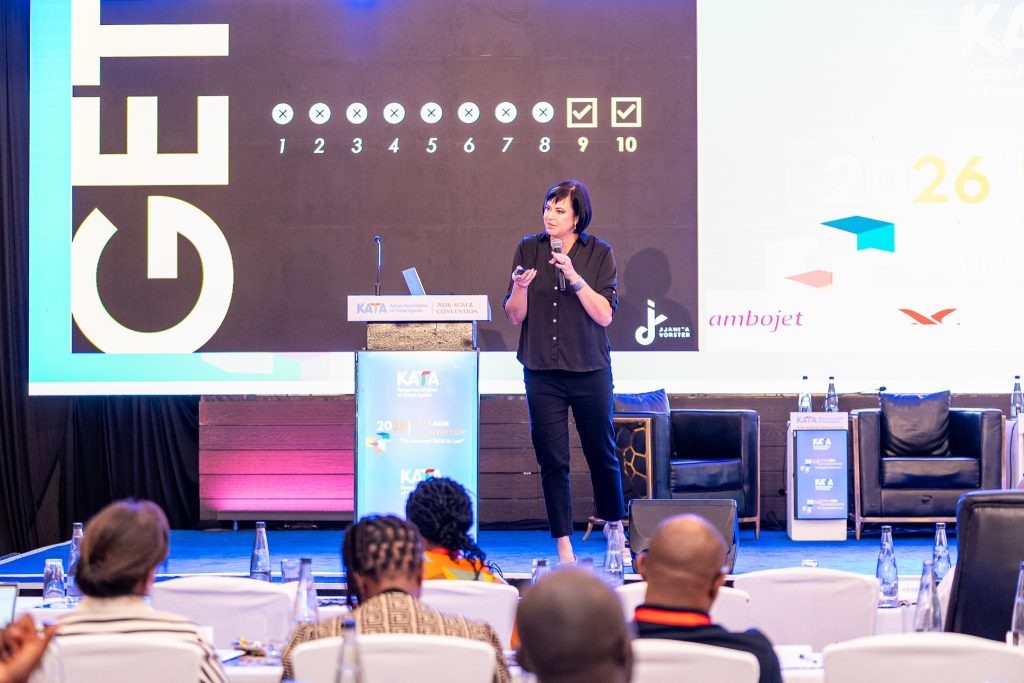
“Remove the labels of generational tags. Knowing a generational label is not going to help you.” As organizations prepare for Generation Alpha while continuing to manage multigenerational teams, she encouraged delegates to stop trying to minimize differences. “The differences in the industry will remain. The focus should never be on minimizing them. We need to work with them.”
Her message resonated strongly with the convention’s theme, “The Journey: Build to Last.” Sustainable organizations are not built by making everyone the same, but by creating environments where different perspectives strengthen the whole. For travel agents, she reminded delegates, understanding people is also central to serving customers. “The travel agent is there to reduce friction throughout the customer’s travel period.”
That same philosophy, she suggested, should extend to leadership—removing friction for employees through better communication, clearer expectations and stronger workplace experiences.
One of the biggest mistakes leaders make, according to Juanita, is believing that simply sharing information automatically changes behaviour. “More information does not equal more influence.” Leadership, she explained, is less about talking and more about understanding. “Acknowledgment is not understanding.” Instead, organizations need to communicate differently. “We need to ask differently; communication, understanding, and checking the obvious.”
She also warned against making assumptions. “The moment we assume, it becomes difficult. Don’t just help—be a helpful help.” As companies compete for talent, Juanita urged leaders to think beyond qualifications and focus on the experiences they create for employees. “The first question should be: what type of experience do I need?” And when technical skills are missing? “If you can’t find the skills, train for aptitude and model for attitude.” It was a reminder that great organizations invest not only in capability, but in potential.
At the same time, she emphasized that creating inclusive workplaces should never come at the expense of accountability. “No person in the business—young or old—should be allowed to get away without consequences.” Fairness, she argued, is one of the foundations of trust.
Returning to the convention’s central message of building for the future, Juanita delivered perhaps her most memorable quote of the session. “If we don’t allow other people in, we cannot Build To Last.” Those few words captured the essence of her presentation. Future-fit organizations are built by embracing new ideas, welcoming different generations, developing talent, and creating cultures where people feel they belong.
“We have to have a future-fit workforce. We can create because we allow each other in.” She concluded by reminding delegates that lasting organizations are sustained by connection. “Keeping people connected… if we let others in, we would have built to last.”
As travel and tourism continue to evolve, technology will change, customer expectations will shift, and new generations will enter the workforce. But Juanita Vorster left delegates with a simple truth that transcends every trend.
The future of work isn’t about Gen Z. It isn’t about Gen Alpha. It is about understanding people well enough to build workplaces where every generation can thrive together.
Because only then can organizations truly build to last.