

The travel industry is changing faster than ever before. New technologies are reshaping customer expectations, business models are evolving, and competition is no longer limited by geography. In this environment, success requires more than industry knowledge. It requires leadership.
That is the thinking behind the KATA Leadership Training Programme, a three-day executive development initiative delivered by the Kenya Association of Travel Agents (KATA) in partnership with Management Centre Europe (MCE). The programme brought together travel professionals, business owners, managers, and industry leaders for an intensive learning experience focused on leadership, business growth, and digital transformation.
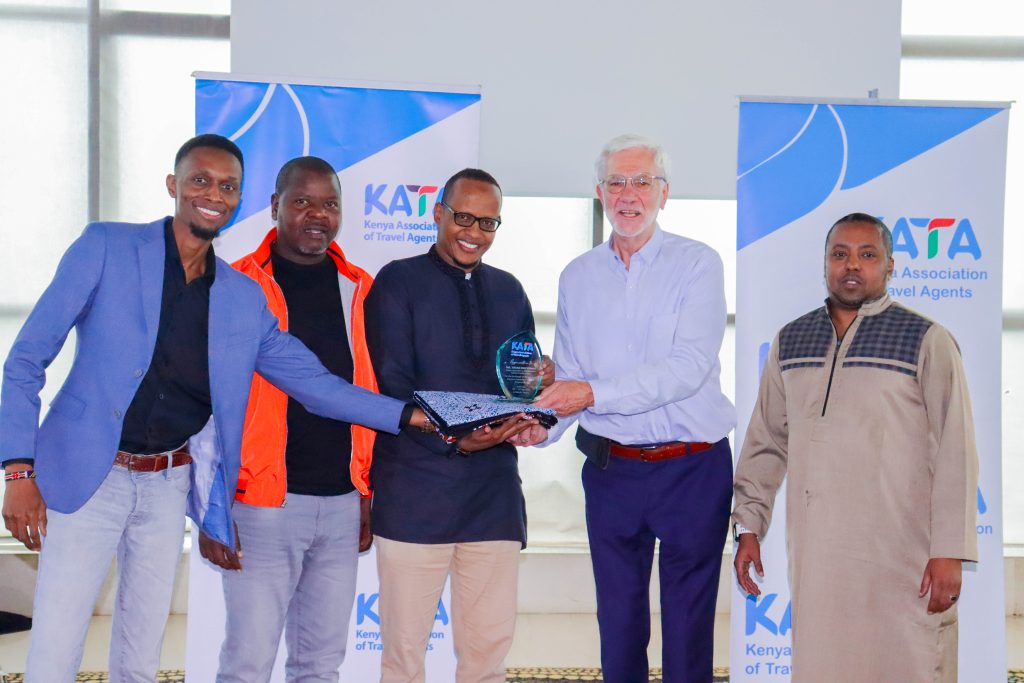

More importantly, the programme represents a major milestone in the realization of the KATA Academy vision: creating a culture of continuous learning and professional development within Kenya’s travel industry.
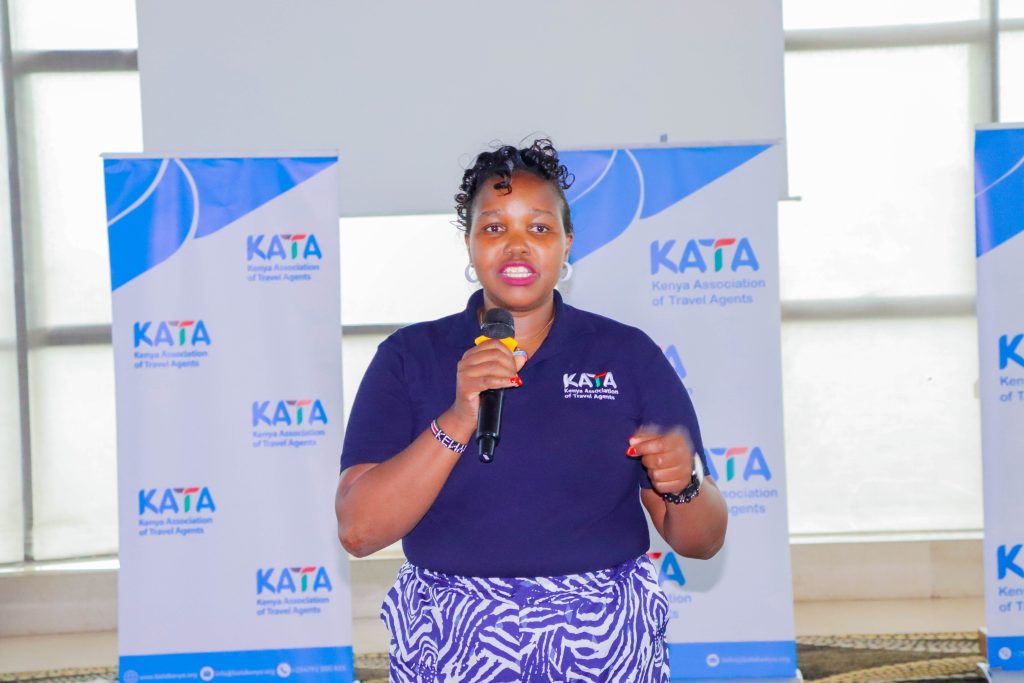
Speaking during the programme, KATA Vice Chairman Hamisi Hassan described the training as more than a classroom exercise.
“This is the beginning of an industry that wants growth,” he said. “As professionals, we must be willing to invest in ourselves, our businesses, and our people. If you think training is expensive and time-consuming, try ignorance.”
His remarks captured the spirit of the three-day programme, which challenged participants to rethink leadership, strengthen business capabilities, and prepare for the future of travel.





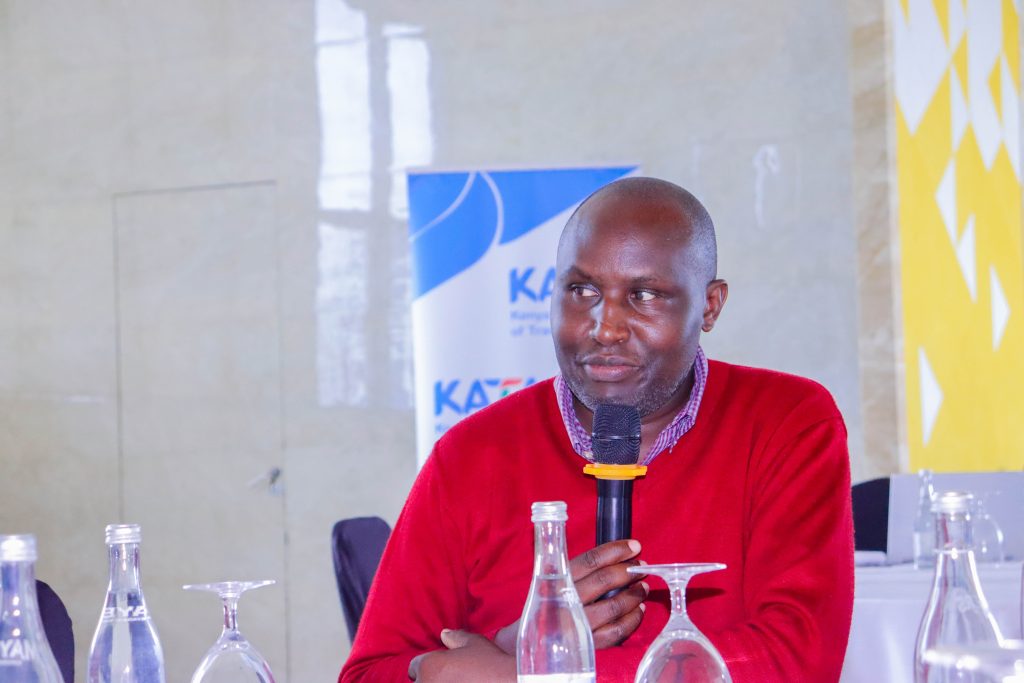
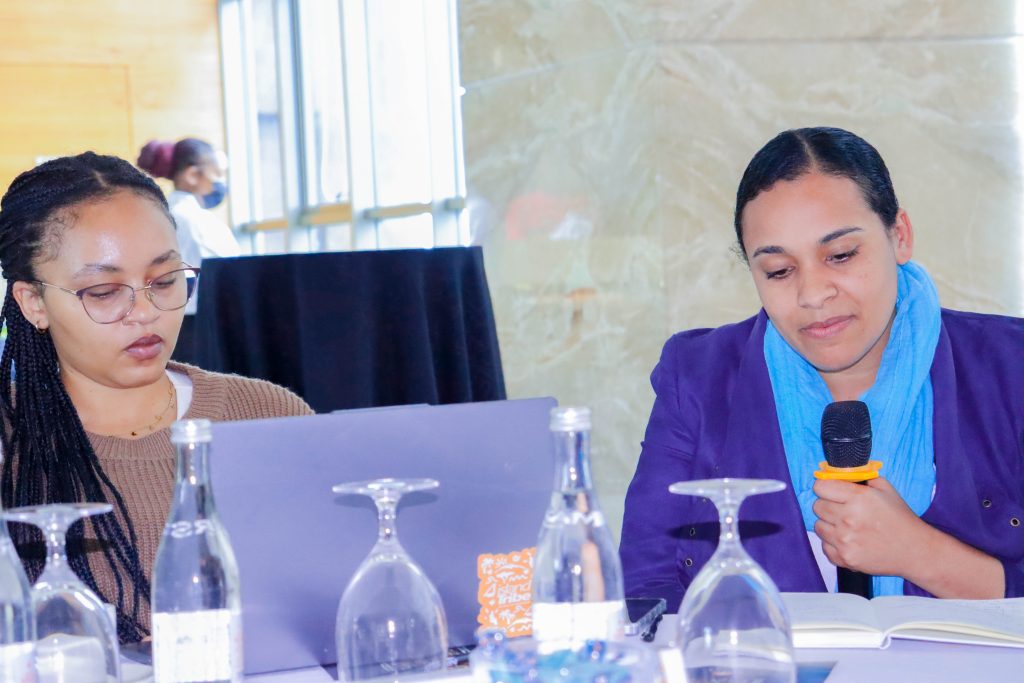
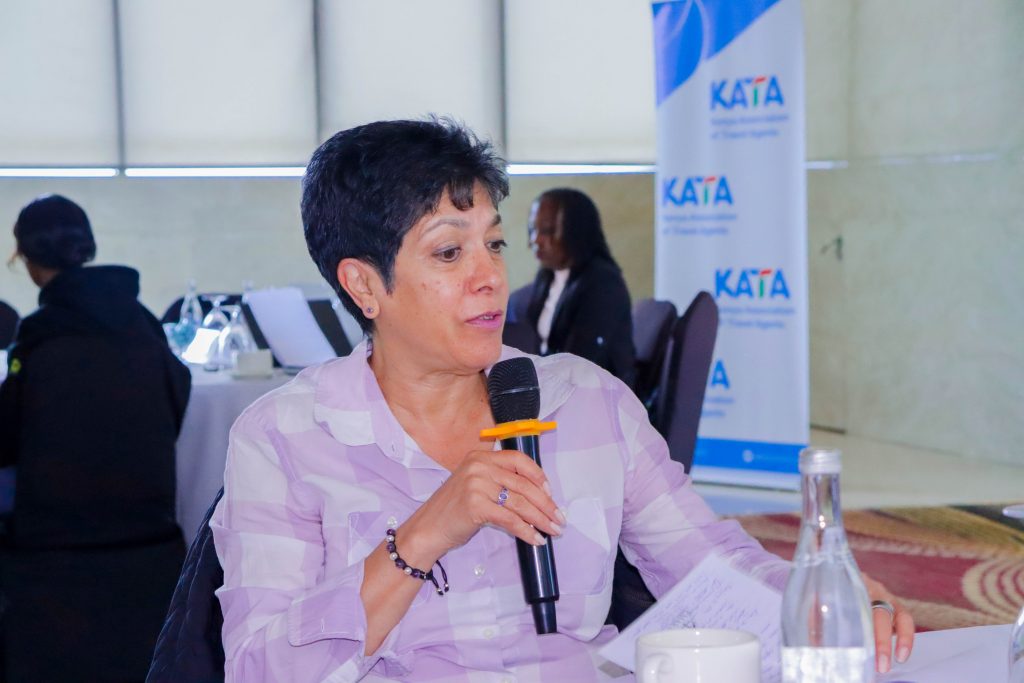
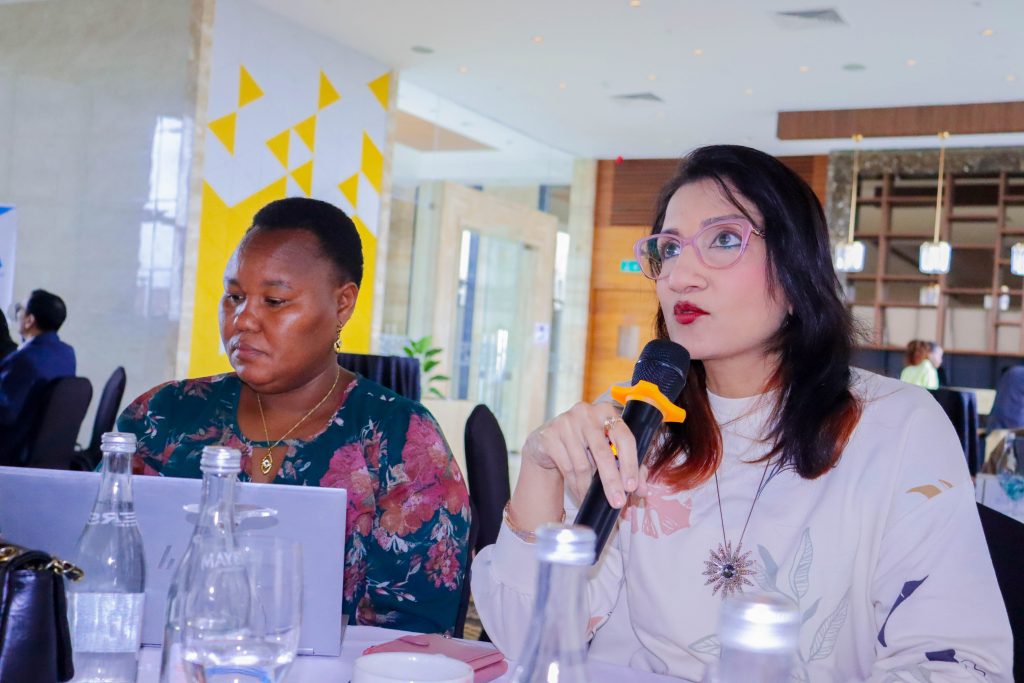
The journey began with Day One: Building the Leader.
Facilitated by Johan Beeckmans, Senior Associate at MCE, participants explored leadership mindset, emotional intelligence, communication, influence, change management, and strategic thinking. One of the most impactful lessons centred on the power of listening.
“Listening is leadership. Listening is empathy,” Beeckmans reminded participants.

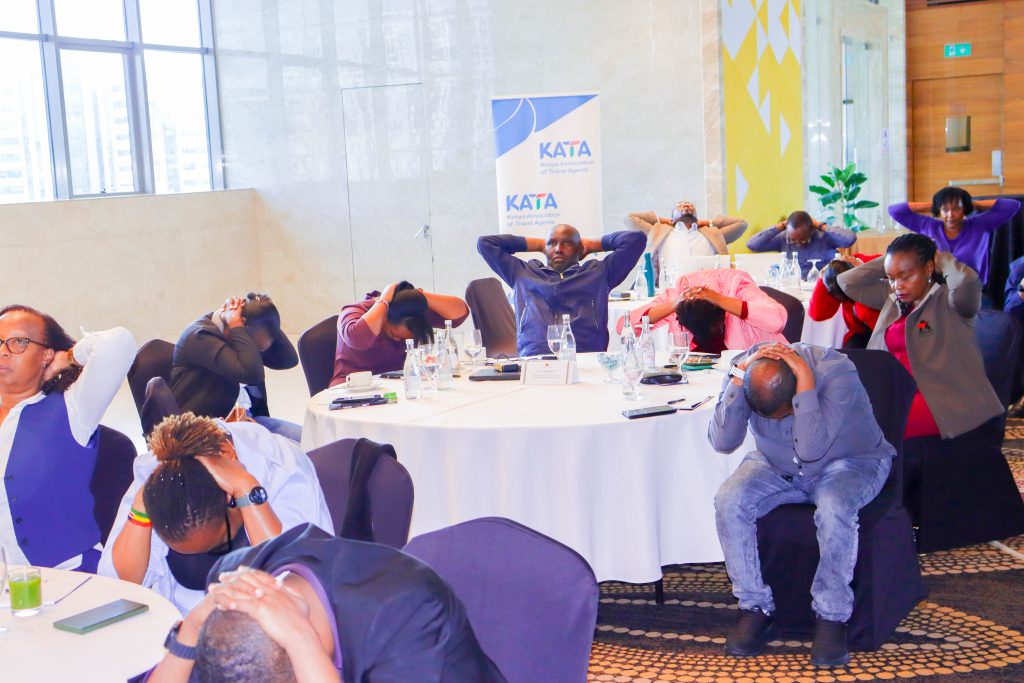
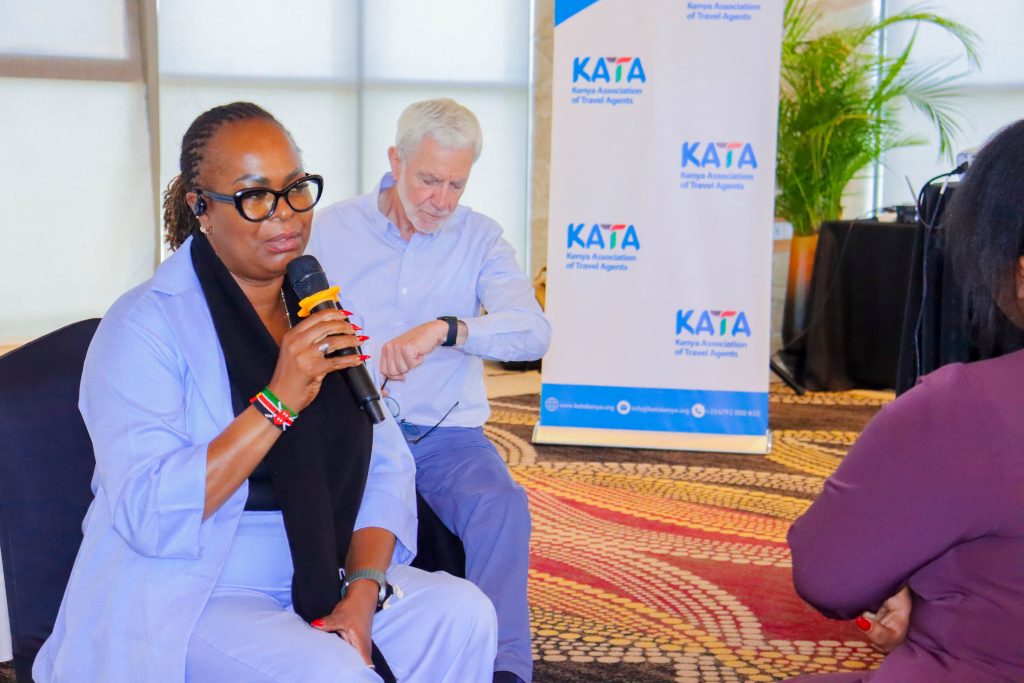
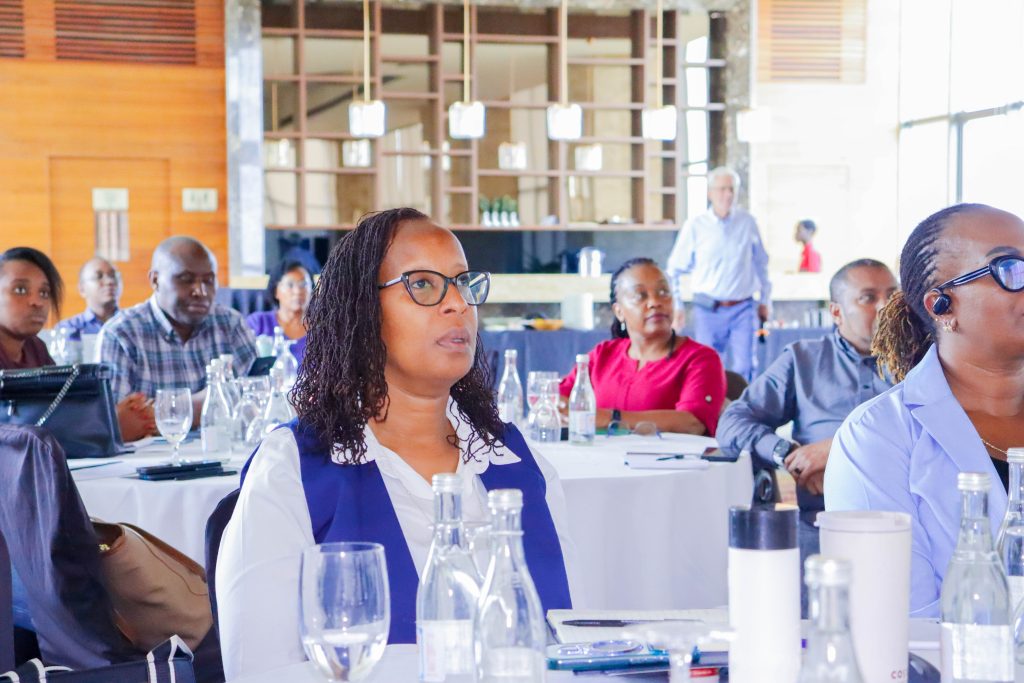

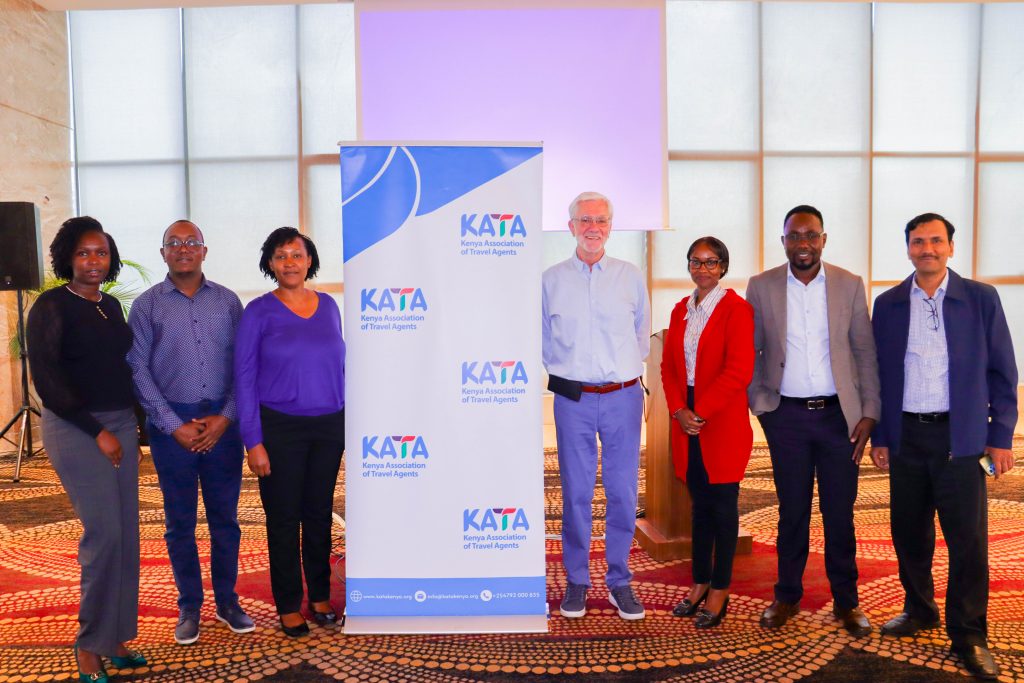
In a simple but revealing exercise, attendees were asked to listen attentively for one minute without interrupting, taking notes, or planning their response. The exercise demonstrated that effective leadership begins with understanding others before seeking to be understood.
The day reinforced an important principle: leadership is not about authority. It is about influence.
Day Two shifted focus to Building the Business.
Participants explored sales, marketing, customer experience, negotiation skills, and competitive positioning in an increasingly crowded marketplace. Discussions examined how travel businesses can differentiate themselves and create lasting value for customers.
One concept that resonated strongly was Beeckmans’ explanation of the “5 Ps” of travel and tourism marketing: Product, Price, Place, Promotion, and People.
The message was clear. Great businesses do not happen by accident. They are intentionally designed around customer needs and experiences.
For many participants, the sessions highlighted a fundamental truth about the travel industry: businesses are not simply selling flights, hotel rooms, or safari packages. They are selling confidence, memories, and experiences that customers will remember long after a journey ends.
The final day looked ahead to Building the Future.
With digital transformation accelerating across the global travel sector, participants examined emerging technologies, artificial intelligence, innovation, virtual reality, augmented reality, and evolving customer journeys.
Yet despite the focus on technology, the programme consistently emphasized the importance of maintaining the human connection at the heart of travel.
“The future of travel is digital, but it must remain human,” Beeckmans noted.
The message resonated with an industry that increasingly relies on technology while still depending on trust, relationships, and personalized service.
For KATA, the programme reflects a broader commitment to equipping members with the skills required to remain competitive in a rapidly changing world. Through the KATA Academy, the association aims to create learning pathways that support professionals at every stage of their careers, from emerging talent to senior executives.
As the programme concluded, participants left with more than certificates. They left with practical tools, new perspectives, and action plans for their organizations.
The training demonstrated that the future of Kenya’s travel industry will not be shaped solely by technology, market conditions, or global trends. It will be shaped by leaders willing to learn, adapt, and invest in growth.
For KATA, that future has already begun.
And if the success of this inaugural leadership programme is any indication, the KATA Academy dream is steadily becoming a reality—one leader, one business, and one transformation at a time.