Kisumu is synonymous with fish.
The lakeside is home to rich culture, remarkable scenery, and quiet wonders. And for a long time, that was all it meant to me, until recently.
I joined the Kenya Association of Travel Agents (KATA) members on a familiarization trip in Kisumu to explore what the larger lake region has to offer.
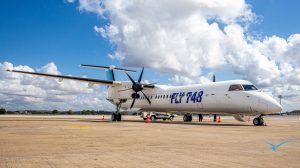
When you touch down at Kisumu International Airport and step onto the tarmac just above the soil of the land of Lwanda Magere the Great, there is an immediate shift. The air feels different, soft, humid, carrying a faint promise of water, movement, and life. It is the kind of arrival that straightens your posture before you even notice it. I carried that feeling with me into the city.
After the day’s engagements, I checked into Le Souverain Hotel, Kisumu. The property sits with quiet confidence, overlooking Milimani Estate, its reception elevated as though it was designed to remind visitors that comfort can also have altitude. Walkways blend antique charm with modern restraint. Muted colours, polished surfaces, and a deliberate sense of calm that feels curated rather than accidental.
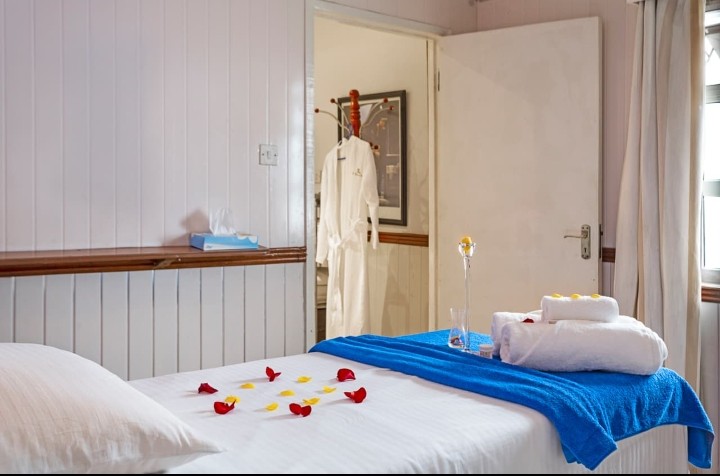
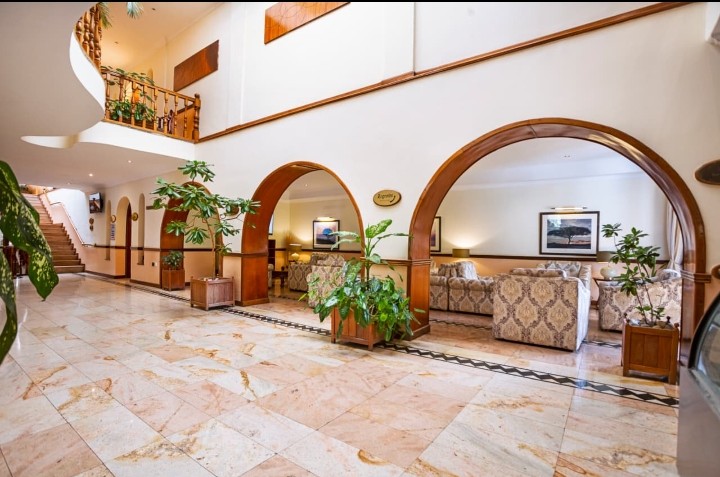
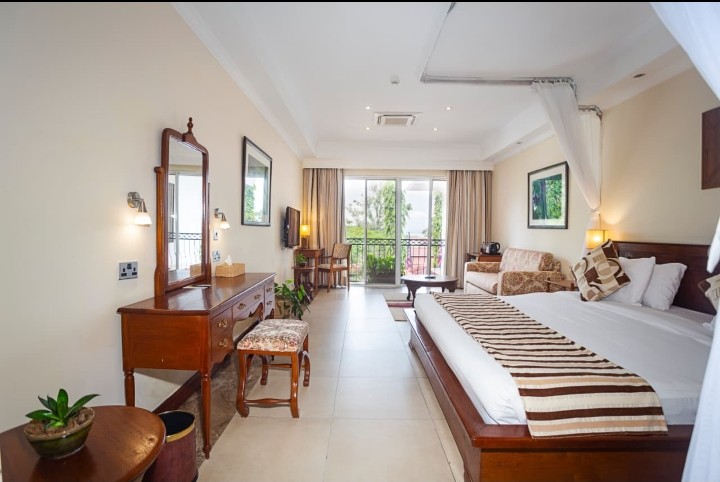
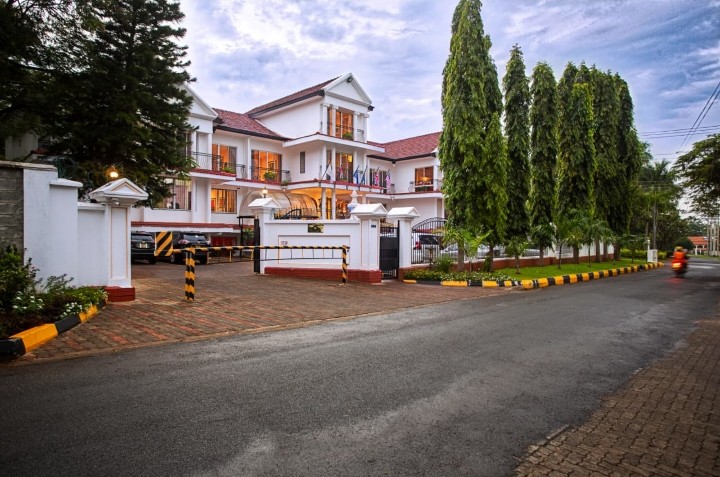
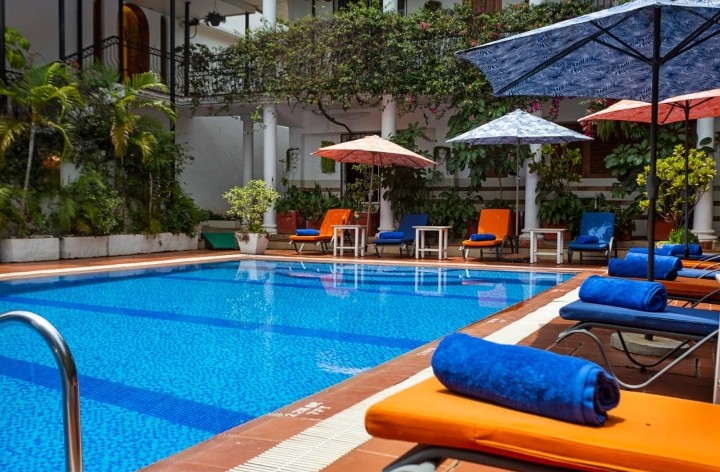
The reception greeted me with efficiency and warmth. There was a welcome drink, smooth check-in, and then a guided tour that unfolded like a carefully written narrative: the restaurant, the bar area, manicured corridors, the spa, conference rooms, and finally the pool area, where still water reflected the structure like a second building suspended in blue.
The rooms continue the same language of understated luxury. Spacious interiors, a large bed positioned as the centrepiece, a balcony opening into Milimani estate, and bathrooms with hot showers that feel almost therapeutic after travel. Everything is designed to slow you down.
The cuisine is a deliberate blend of local and international flavours. Balanced, thoughtful, and reflective of Kisumu’s evolving hospitality identity.
At night, Kisumu reveals another personality. The nightlife is vibrant without being chaotic, animated without losing its lakeside calm. For those who prefer stillness, the hotel pool remains open under soft lighting, offering a quieter kind of indulgence.
In the morning, a full buffet awaits. Fresh, generous, and complemented by a live cooking station that adds theatre to breakfast. From the dining area, faint roars drift in from the nearby Kisumu Impala Sanctuary. In Kisumu, urban life and wildlife exist in close conversation.
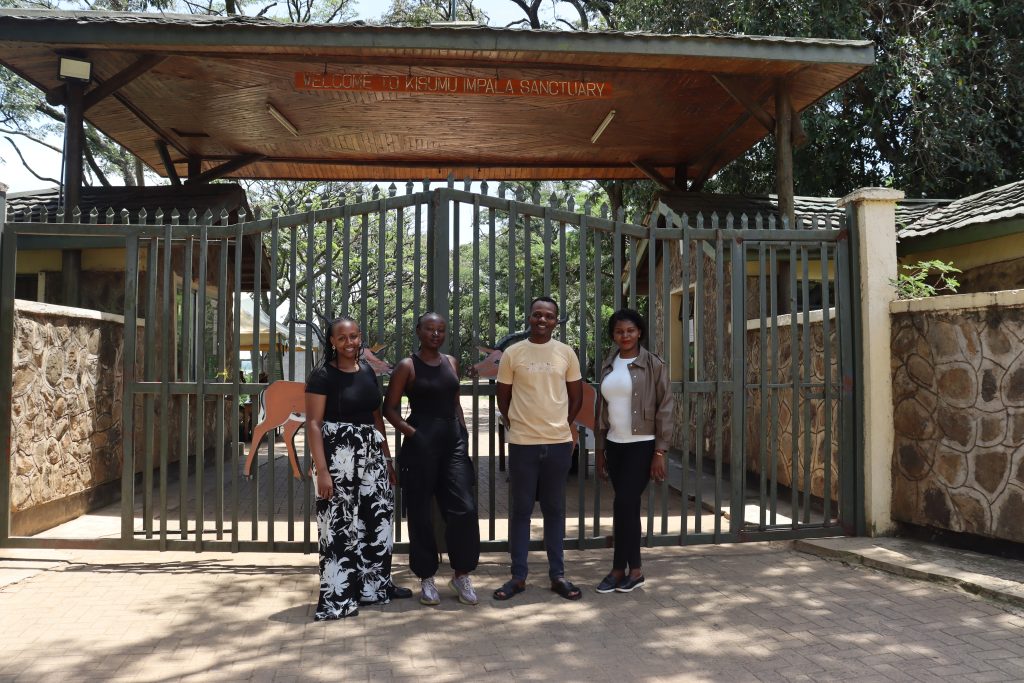
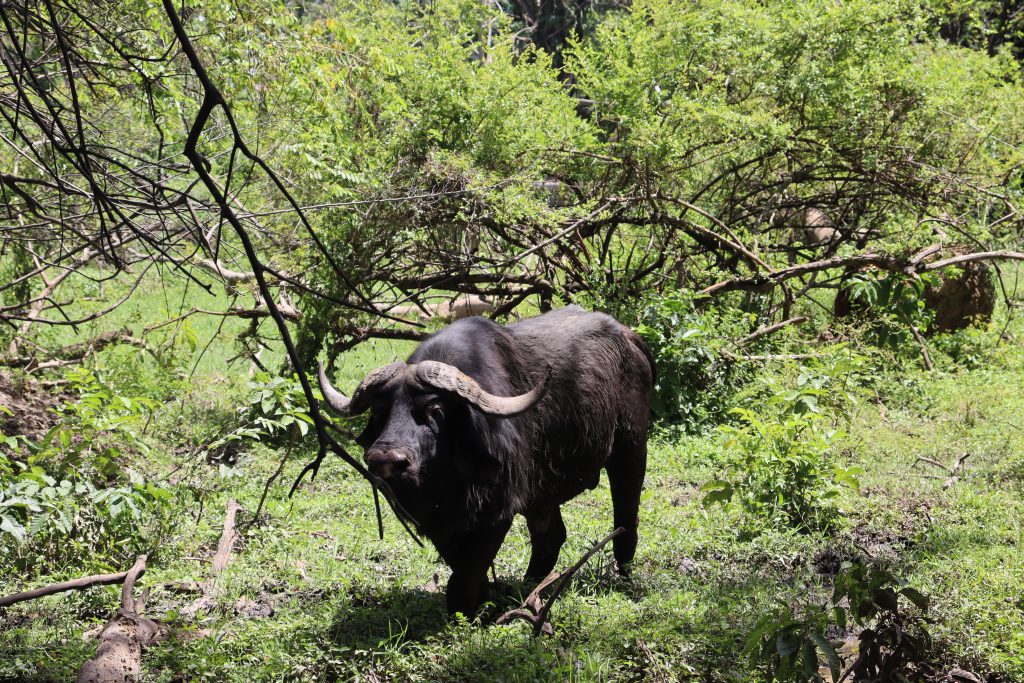
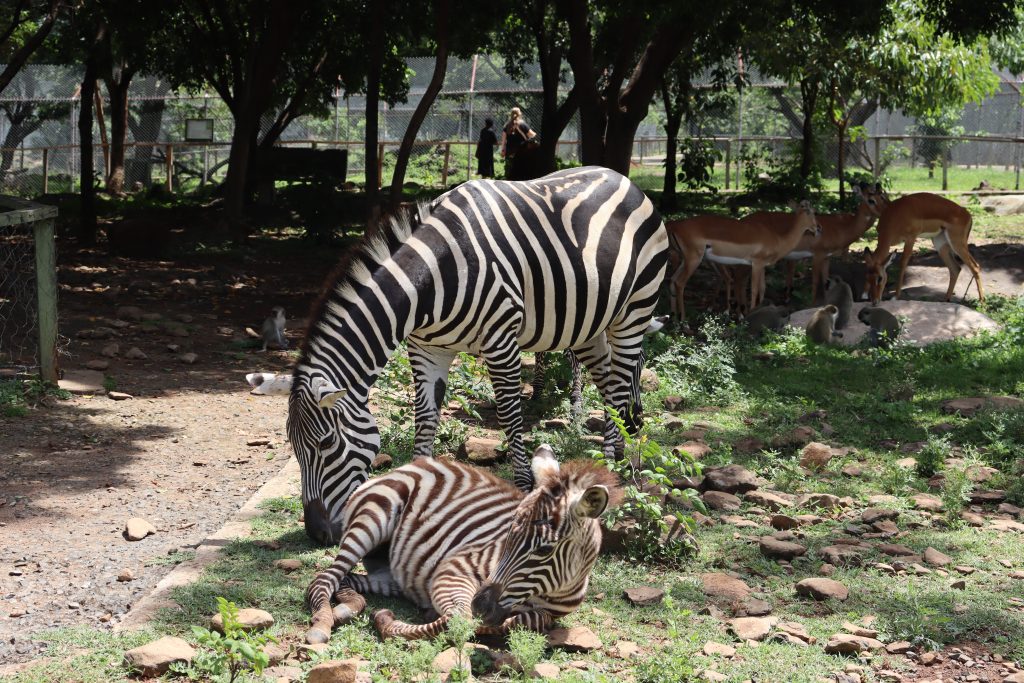
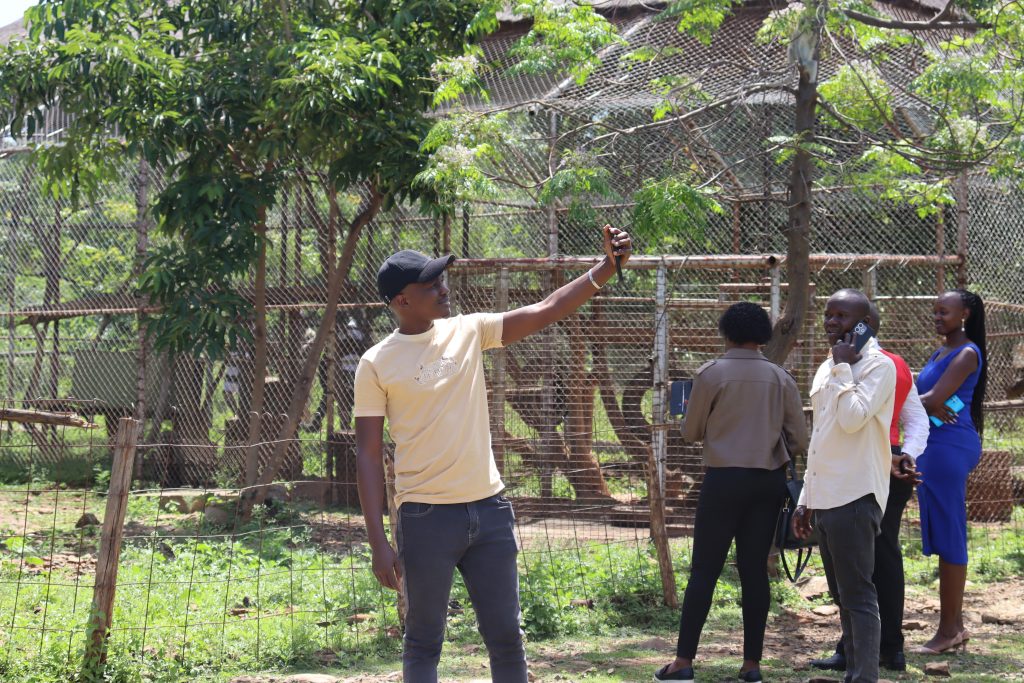
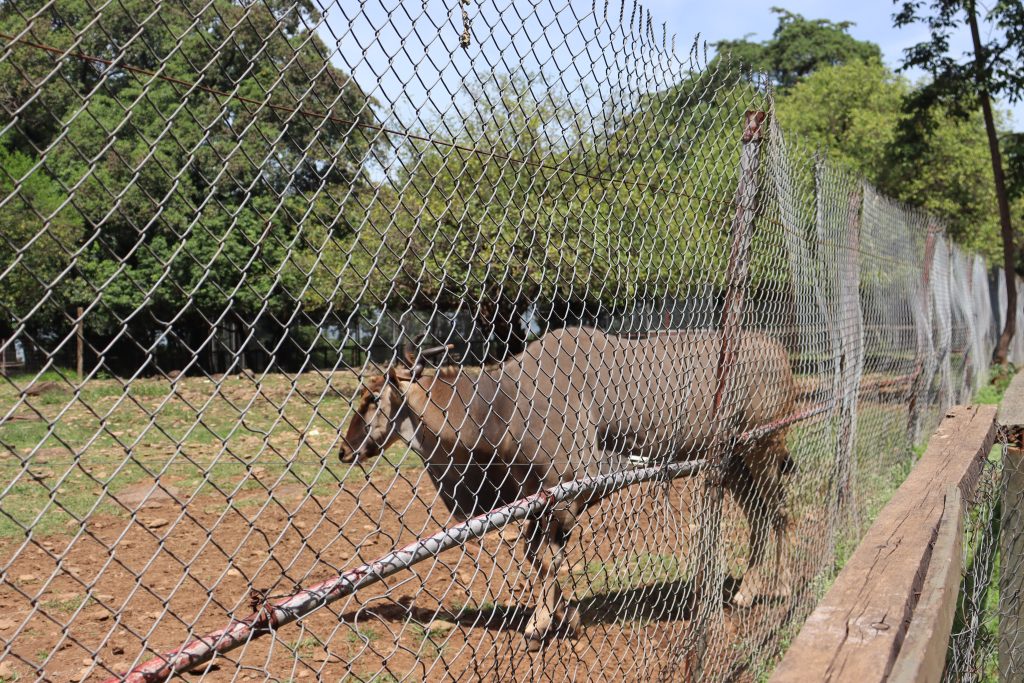
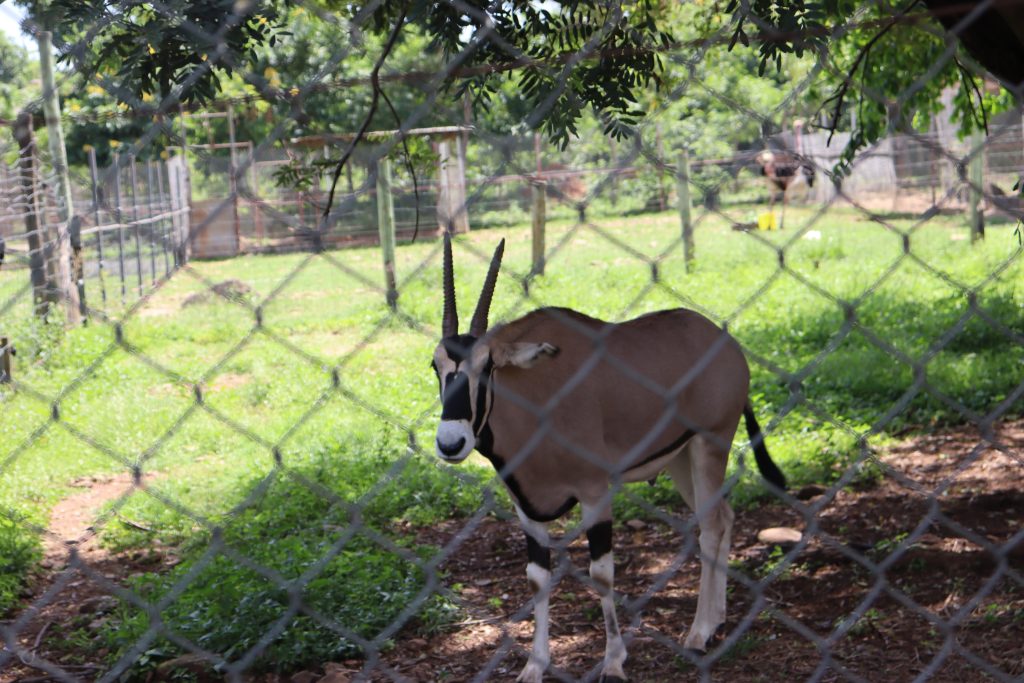
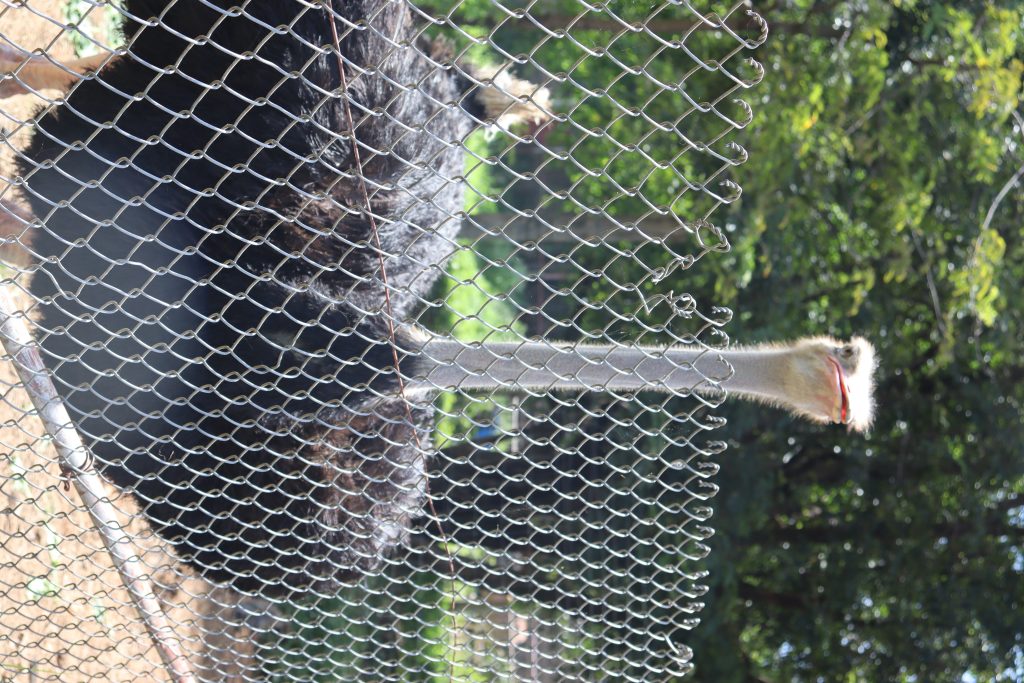
A visit to the Kisumu Impala Sanctuary, established in 1992, brings that coexistence into full view. Within its boundaries, nature moves freely and confidently. Monkeys swing through trees with unbothered ease. Buffalo stand still as if posing for a memory. Lions rest in patient silence, while antelopes, baboons, hyenas, and ostriches share the same space in an unspoken rhythm of balance.
From there, the experience extends to Dunga Beach, where the lake meets the shore with an unhurried rhythm. Boats sit loosely against the waterline, and life moves at the pace of conversation rather than urgency. Afterwards, it is a return to the hotel. Lunch by the pool, a swim, or a session at the spa that feels less like luxury and more like restoration.
The next morning begins early, with breakfast followed by departure in an executive van towards Luanda K’otieno to catch the ferry. The journey stretches for roughly an hour and a half, but it never feels empty. It is a corridor of landscape. Rock formations rising unexpectedly, green vegetation thick and unguarded, homesteads scattered with quiet intention, and cultural landmarks make the journey bearable. Among them is Kit Mikayi, a site deeply rooted in cultural memory.
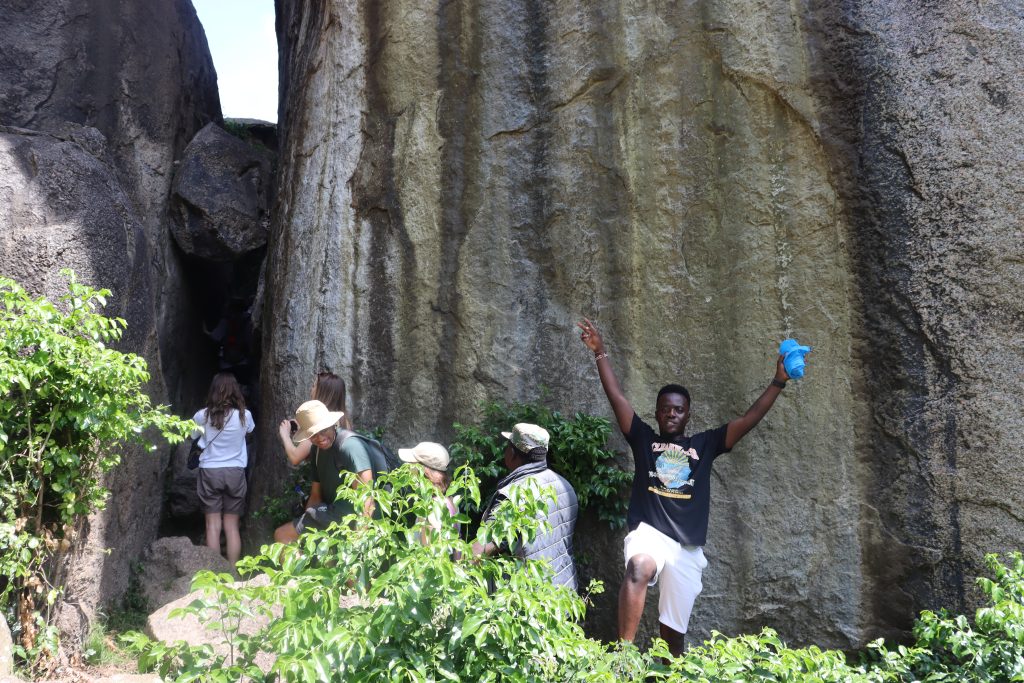
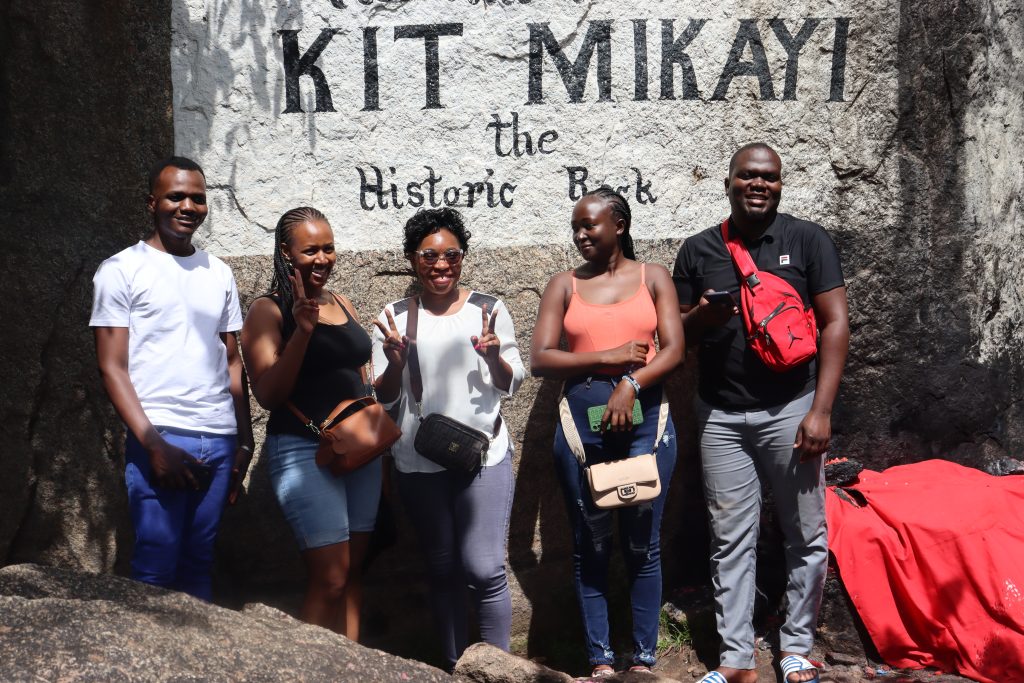
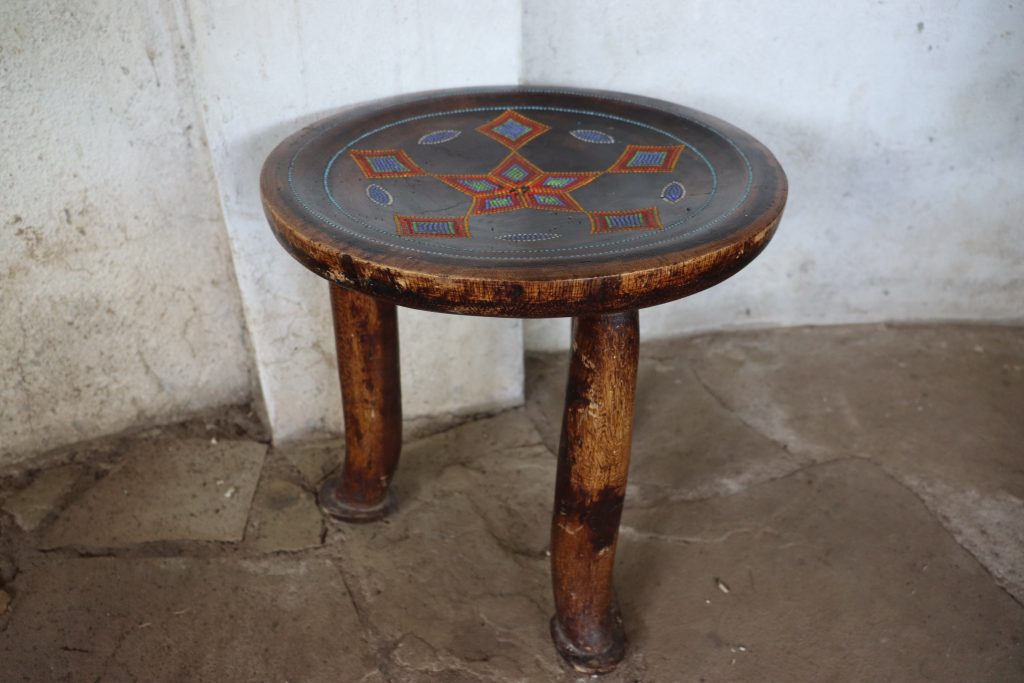
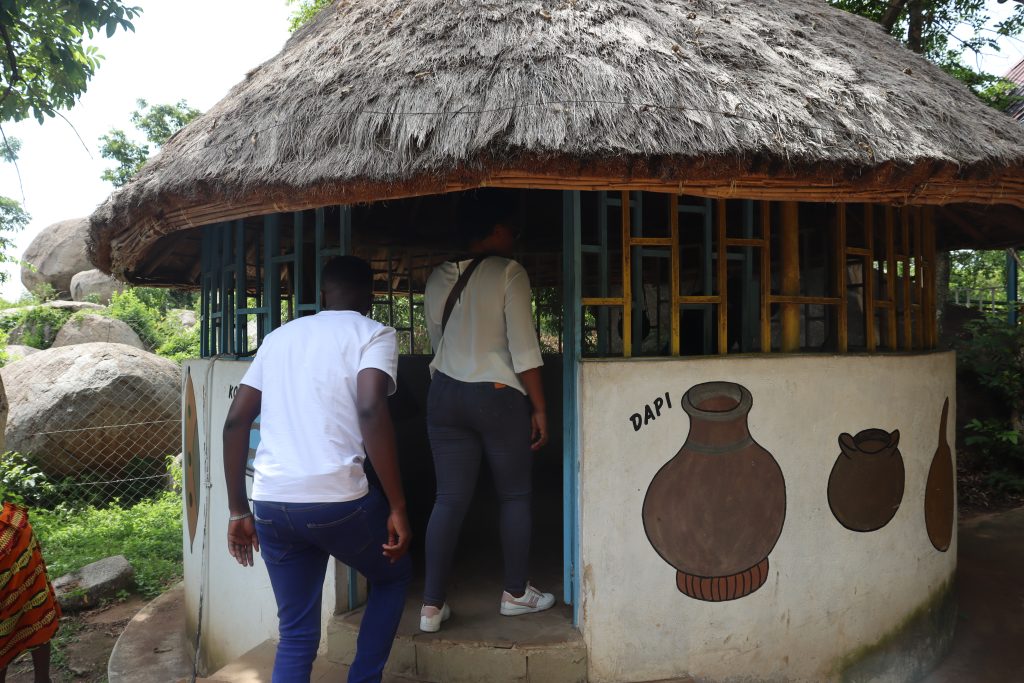
There is one peculiar phenomenon that you could not ignore. Homesteads along the road are marked by “simba” structures. Simba’s are houses built by sons after initiation into adulthood among the Luo community. The number of simbas becomes, in itself, a subtle record of lineage, responsibility, and continuity.
Then, suddenly, there is Lake Victoria. Vast, open, and almost disarming in its scale. At Mbita Ferry Terminal at Luanda K’otieno, passengers board the 11 A.M. ferry to Mbita. The crossing is not merely transport; it is an experience suspended between water and sky. Fishermen’s boats scatter across the lake like fragments of daily survival, each one anchored in hope and repetition.
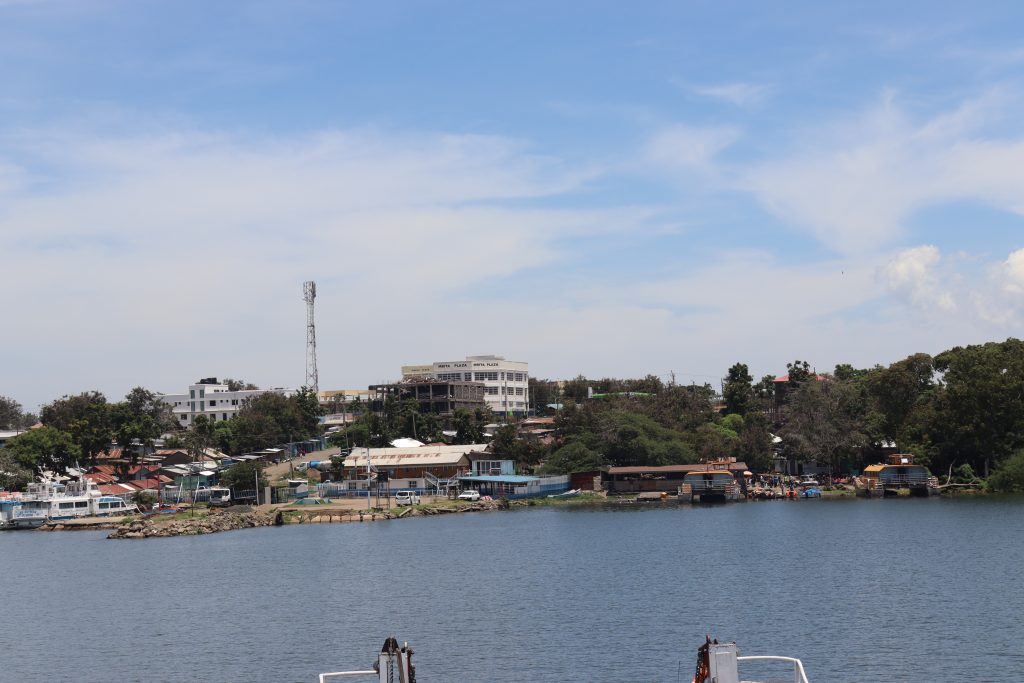
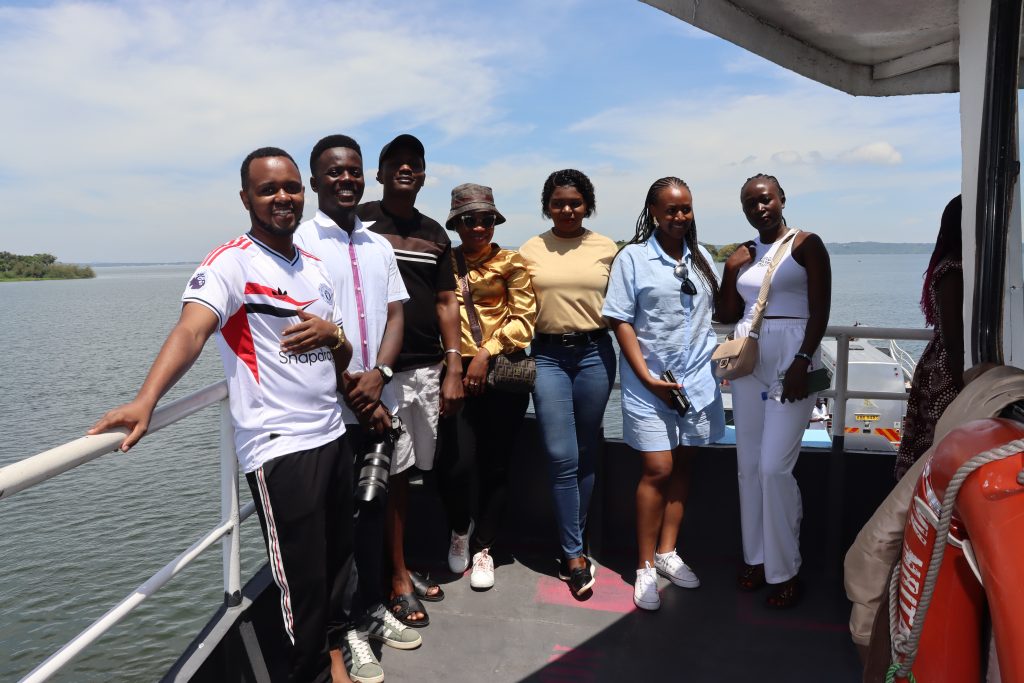
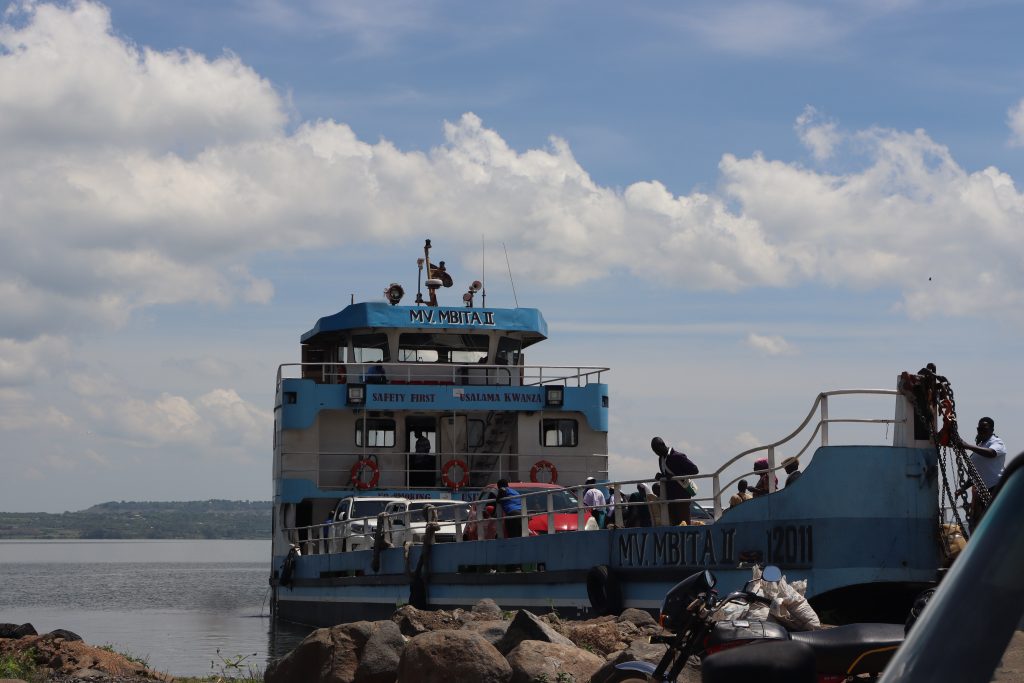
Mbita town greets visitors with activity shaped by the lake. It is known for omena fishing, and along the shore, children swim with the ease of those who have grown up in water’s presence. “Water buses” wait at the dock, ferrying people to islands that function as both home and livelihood.
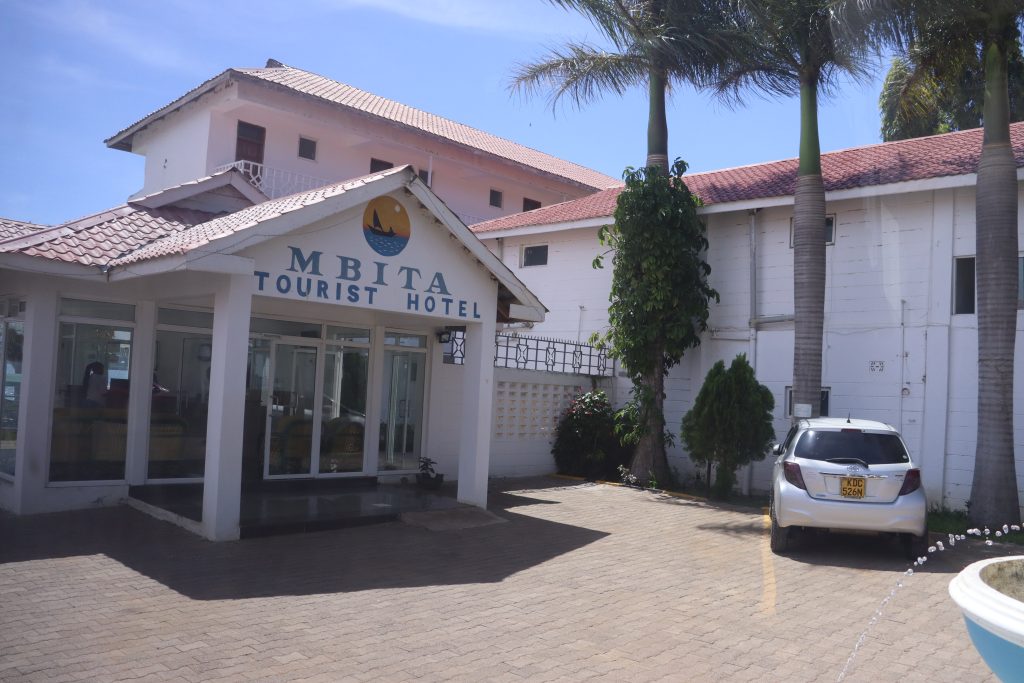
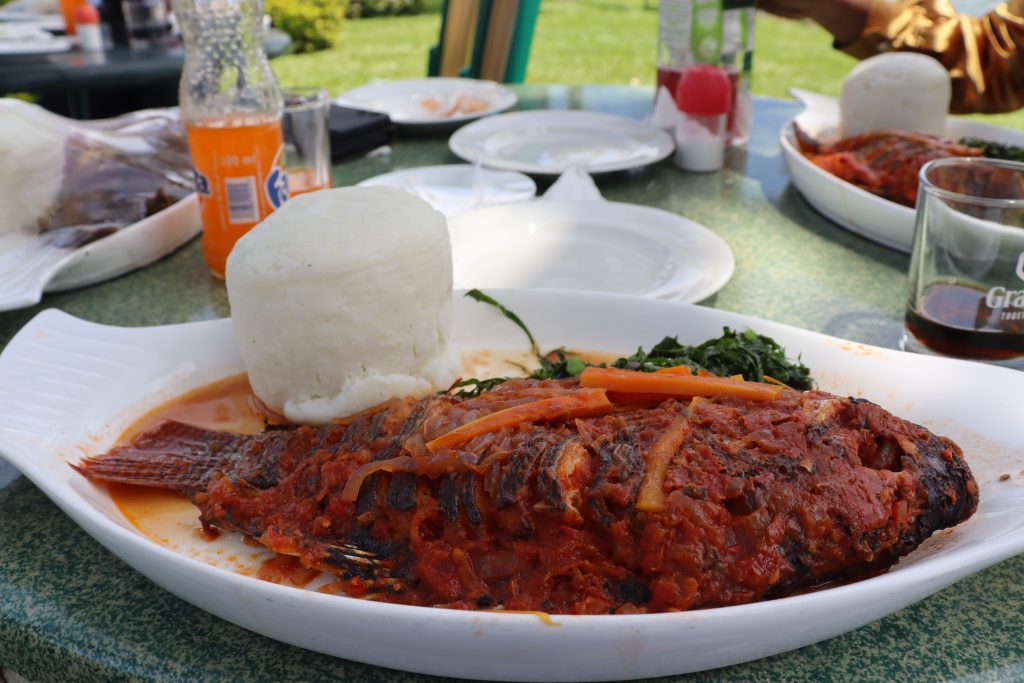
Lunch at Mbita Tourist Hotel features fresh tilapia, served with an uninterrupted view of the lake. The setting does not compete with the meal; instead, it completes it.
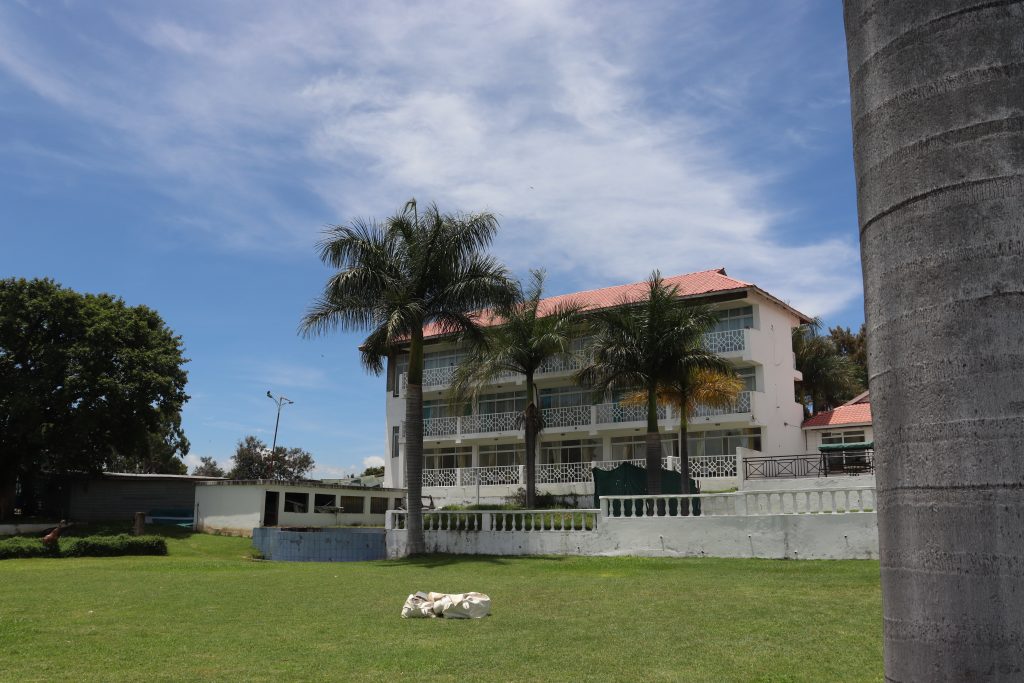
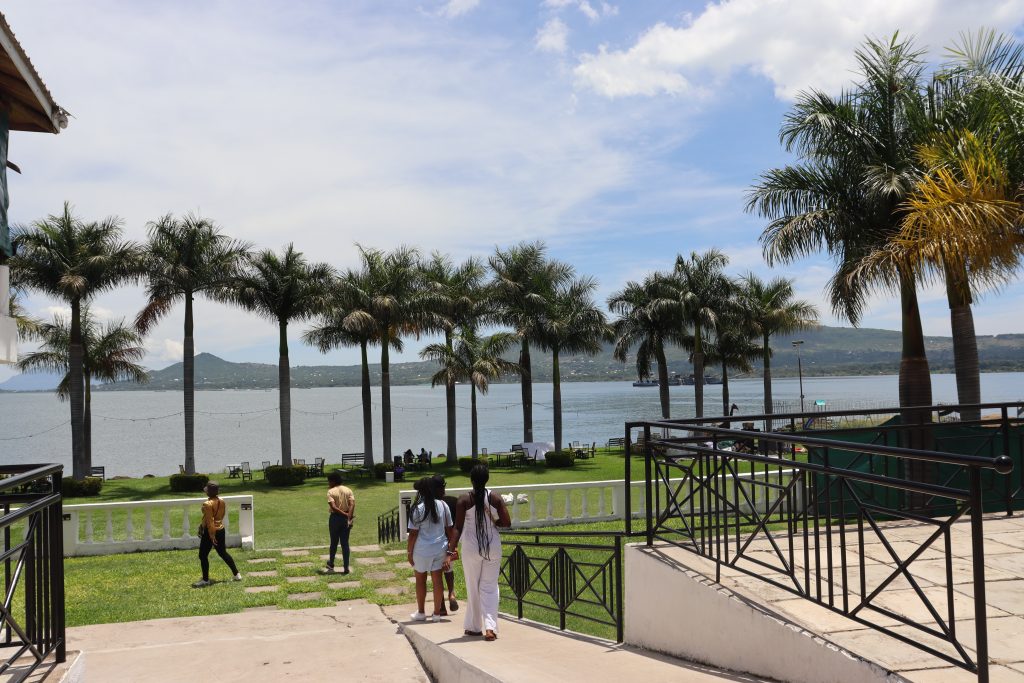
From Mbita, the journey continues across the bridge into Rusinga Island, destination Rusinga Island Lodge. The lodge sits across acres of carefully arranged cottages, with an airstrip at its entrance that signals a different level of arrival entirely. It is luxury expressed not through excess, but through space, silence, and setting.
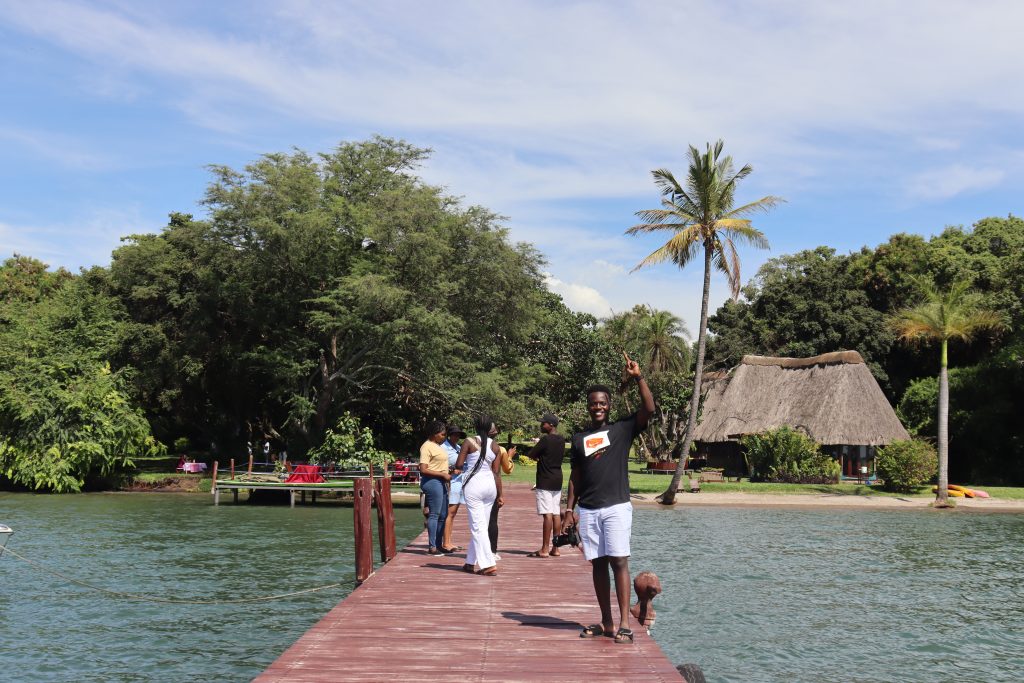
Activities here range from swimming and kayaking to visits to the fossil site, excursions to Tom Mboya Mausoleum, and guided bird watching. Each activity adds another layer to the island’s quiet complexity.
Later, boat excursions take guests across nearby islands. Fishing villages on Rusinga, the coastal-like charm of Takawiri Island, and the distinct landscape of Mfangano Island form a circuit of water-bound discovery. The lake is not still. It breathes, ripples, and pushes gently against every journey.
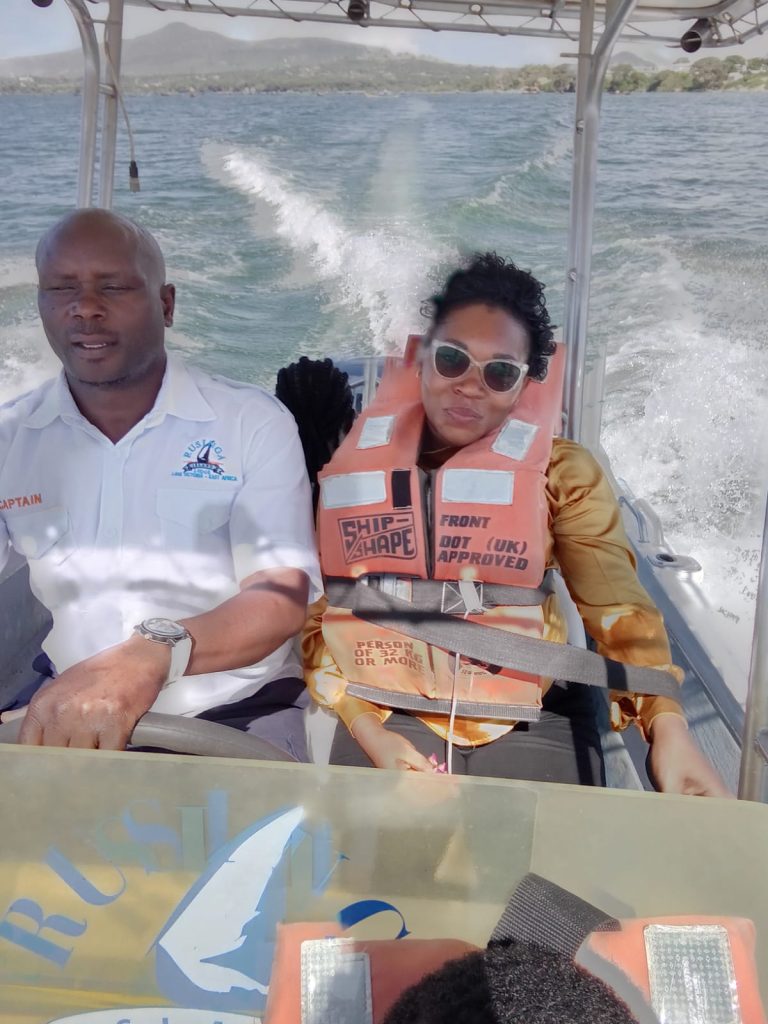
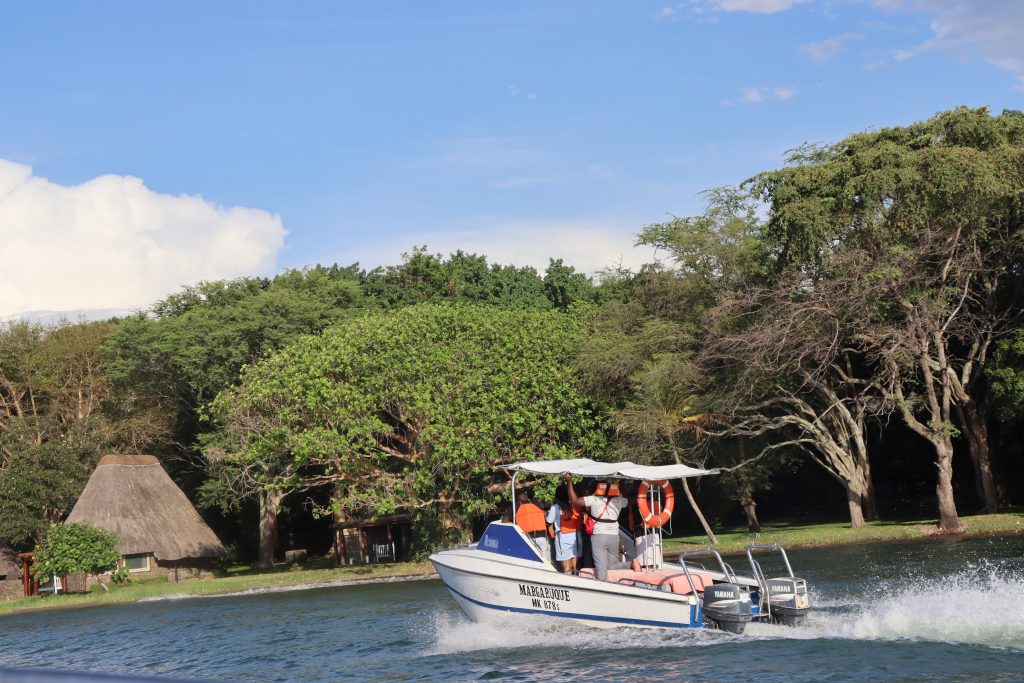
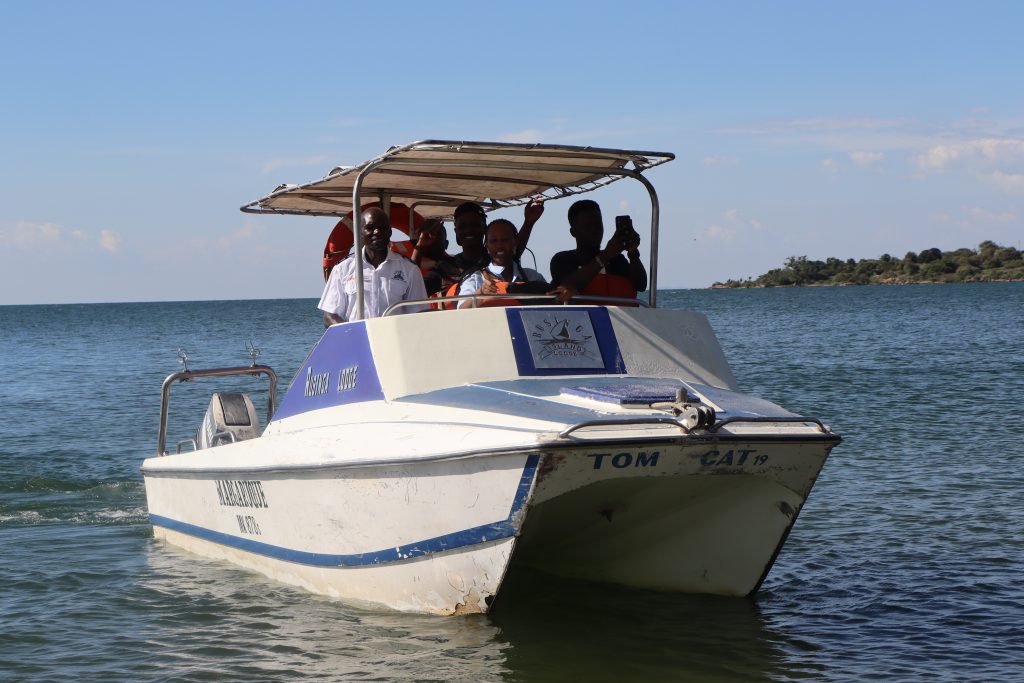
Jet skis cut across the water with sharp energy, while fishing lines settle into the evening calm. Even the simplest act, casting a fishing line, feels elevated by the setting. For some reason, I just caught small fish, yet strangely satisfying in its simplicity.
Dinner is served near a jacuzzi, under an evening sky that softens everything it touches.
Night falls quietly.
A lakeside cottage becomes the final stage of the day: a large bed, a resting couch, and a view of the lake that does not disappear even in darkness. The water remains present, silent, reflective, endless.
For travel agents and tour operators, the opportunity is clear. Western Kenya is not an add-on destination. It is a full experience waiting to be structured into luxury circuits. Tourists heading to Maasai Mara or Amboseli can just as easily begin, or end, their journey here, in the lake region, where water, culture, wildlife, and hospitality converge.
Henceforth, the lakeside is not just synonymous with fish.
It is synonymous with luxury tourism.
By Felix Wakiuru