
For about nine hours on Thursday, the usual boundaries in Kenya’s travel industry disappeared.
Travel agents sat alongside airlines, fintech companies, insurers, auditors, lawyers, hotels, destination management companies and technology providers, all pitching solutions to an industry whose biggest challenge is no longer simply getting more people to travel, but capturing a bigger share of the value created when they do.
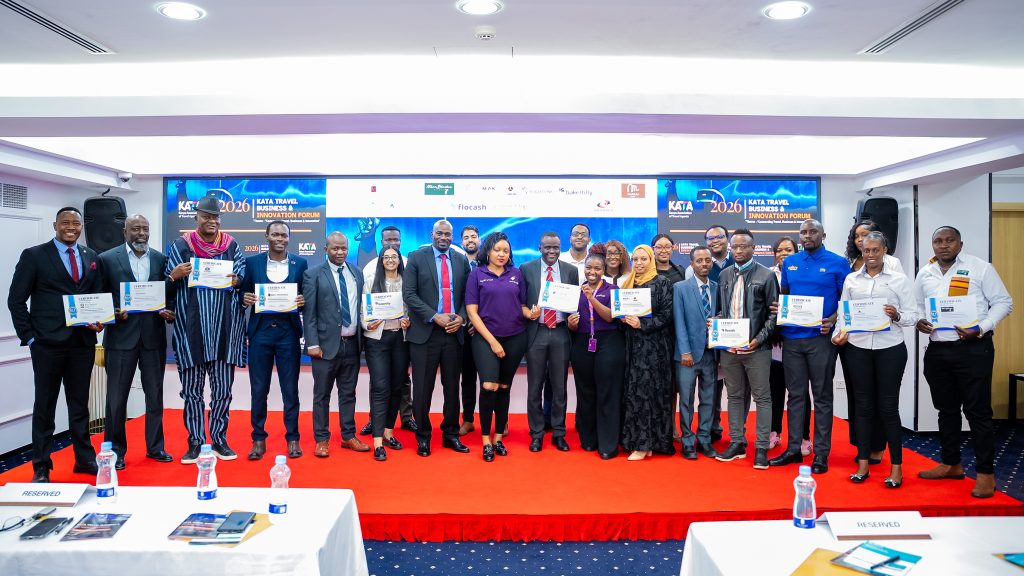
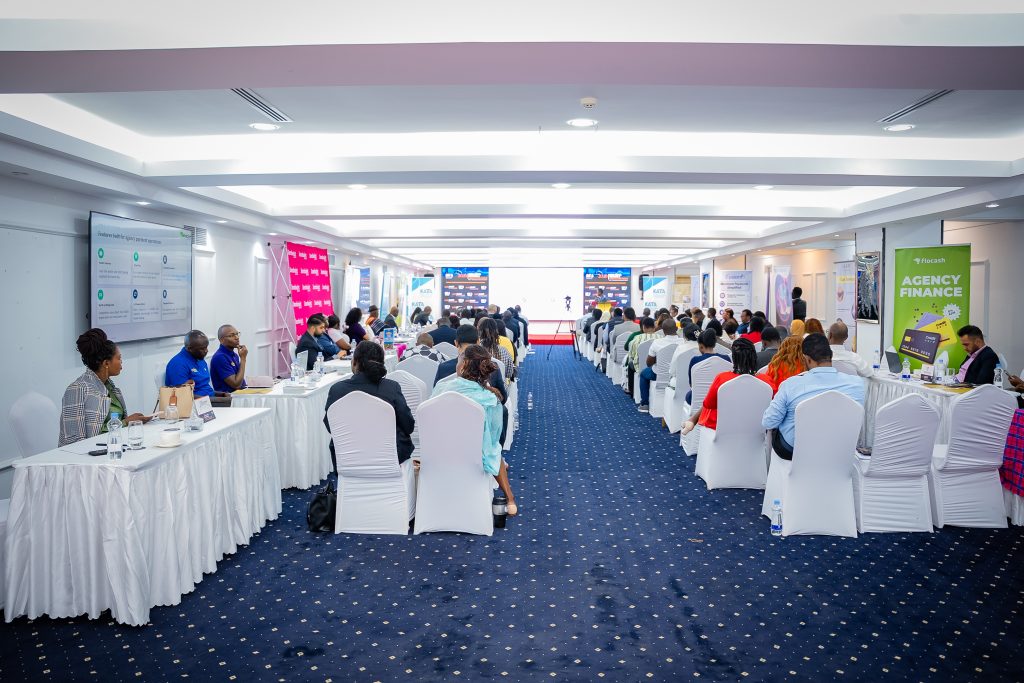
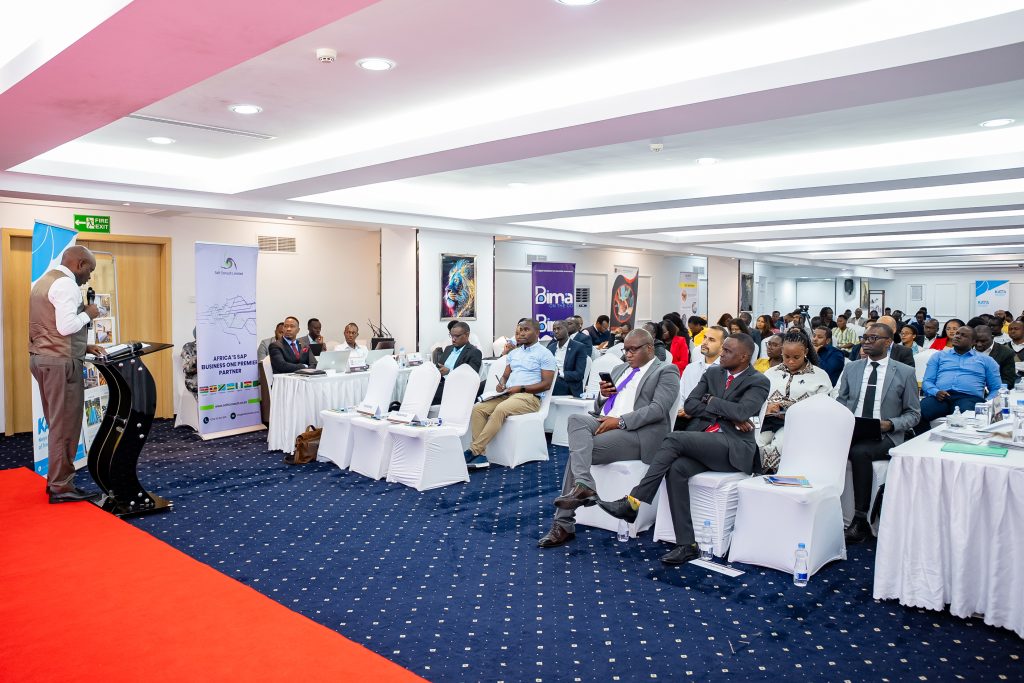
More than 120 industry players gathered at the Pan Pacific Serviced Suites Nairobi for the second edition of the Kenya Association of Travel Agents (KATA) Travel Business & Innovation Forum, a meeting that put technology, business models and the economics of the travel trade under unusual scrutiny.

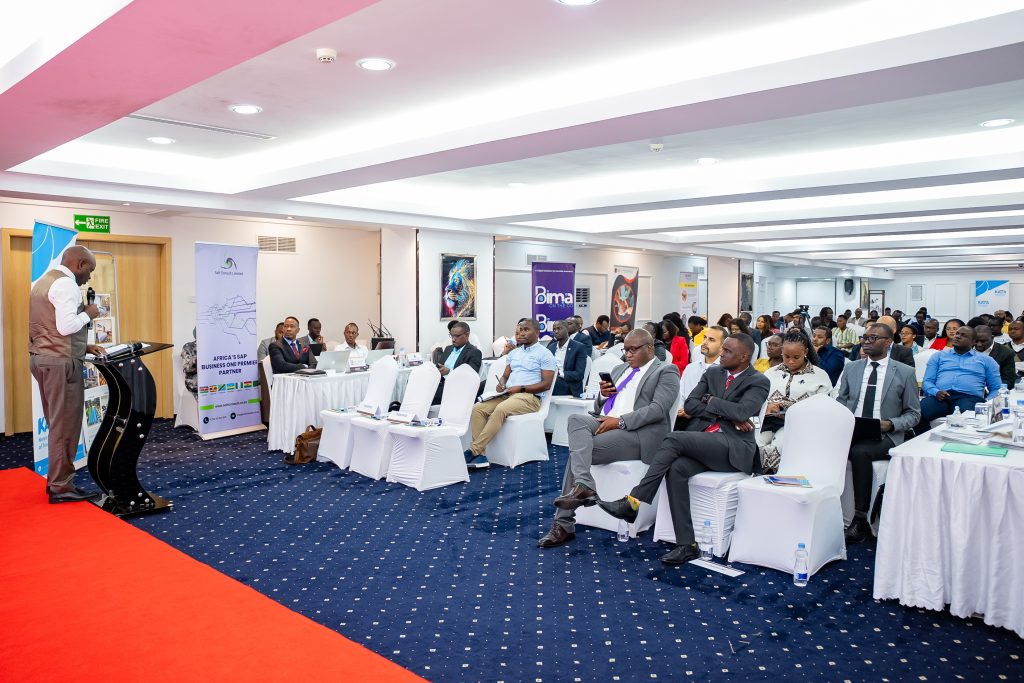

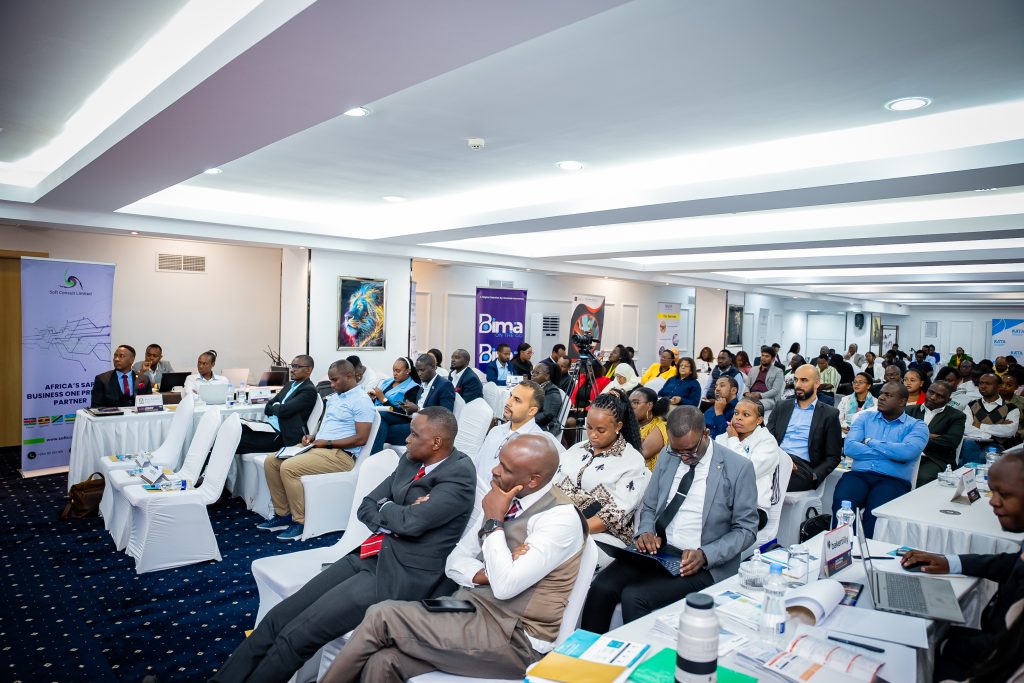
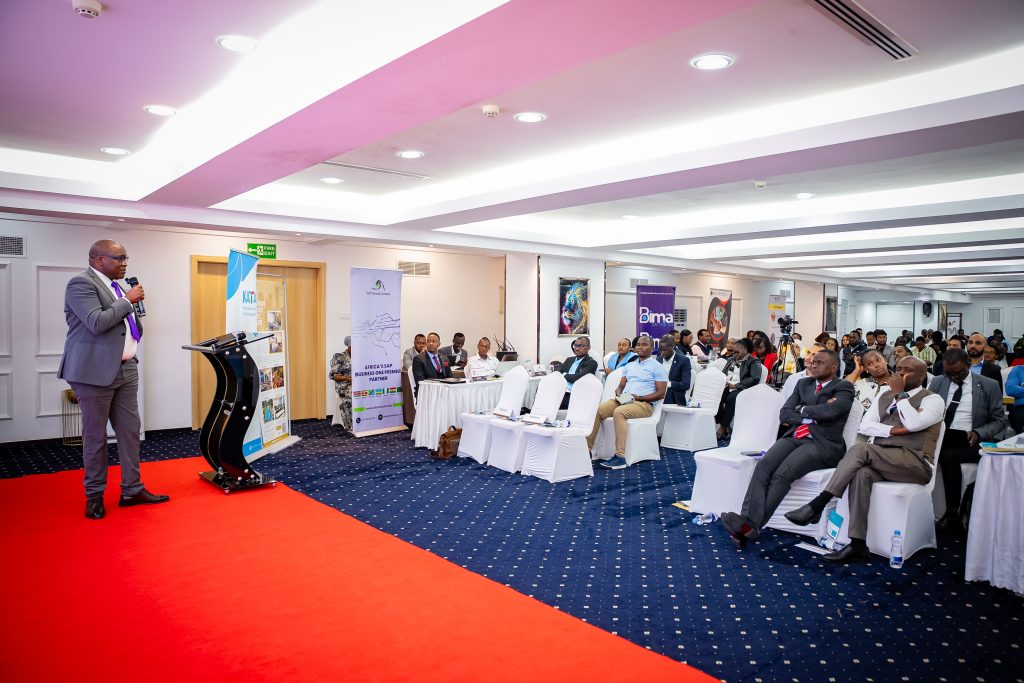
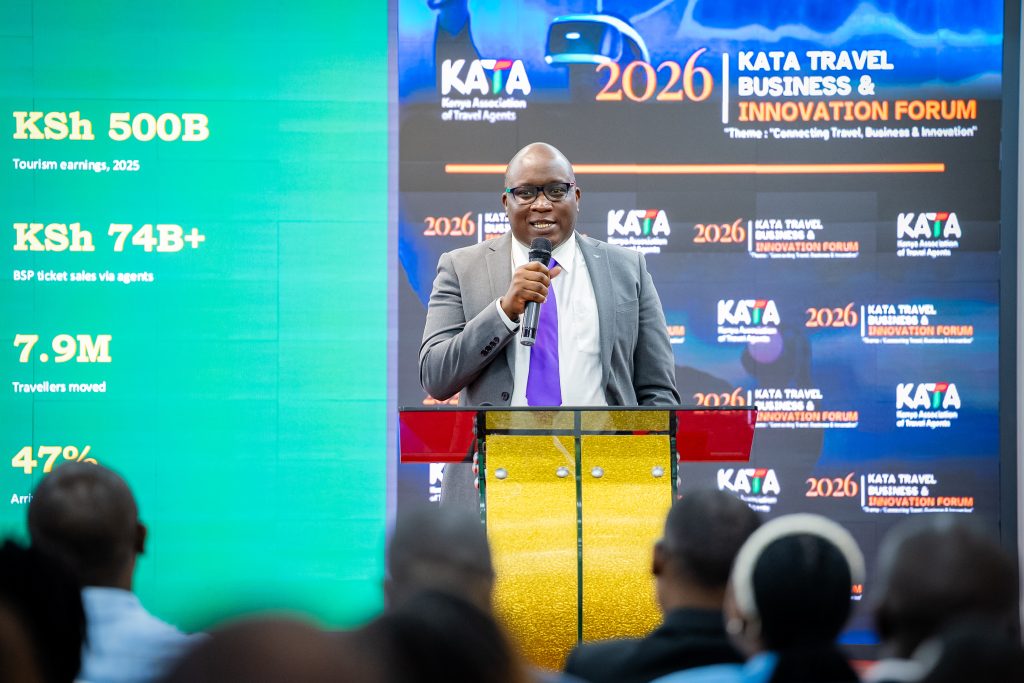

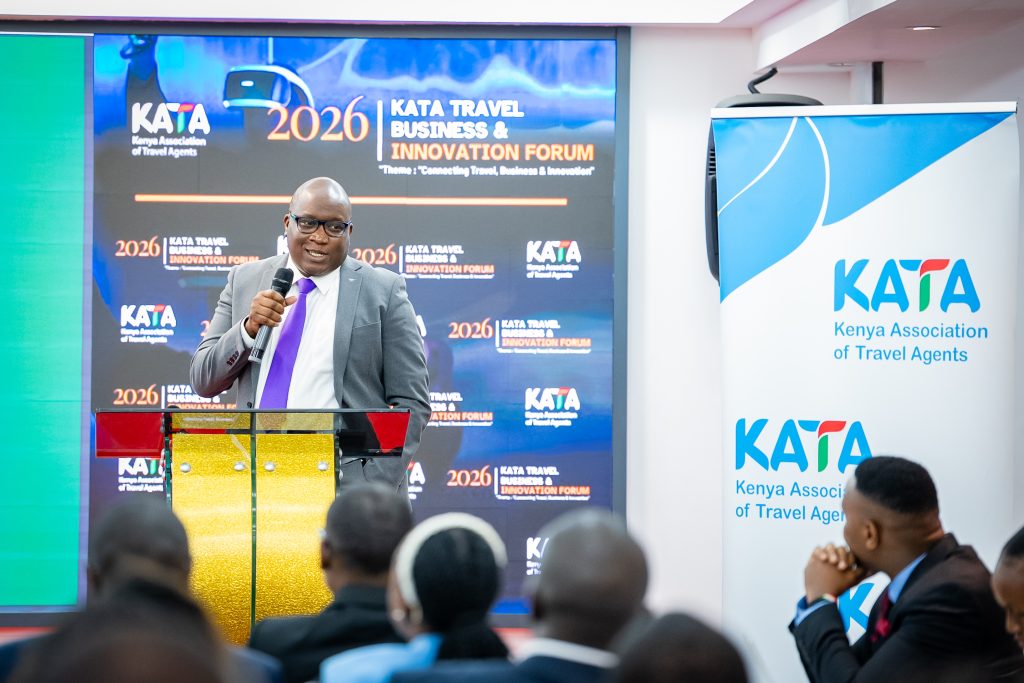

The forum, held on August 13 under the theme “Connecting Travel, Business & Innovation,” brought together the travel trade and companies offering everything from digital payments and verification systems to insurance, aviation, hospitality and healthcare facilitation. The programme ran from 8 am to 5 pm and combined keynote sessions with business showcases and networking.
The timing was significant.
Kenya’s tourism industry generated about KSh500 billion in earnings in 2025, according to sector data, while the country recorded about 7.9 million tourist arrivals, comprising 2.7 million international visitors and 5.2 million domestic travellers. International arrivals rose by roughly nine percent from 2024.
For travel agents, another number illustrates the scale of the business. Airline ticket transactions processed through the IATA Billing and Settlement Plan in Kenya exceeded KSh74 billion annually, according to industry data.
Yet the question confronting the industry is whether travel businesses are capturing enough of that expanding economic activity.
That was the uncomfortable question at the centre of Benard Odote’s keynote.
From selling tickets to owning the journey
Odote, Group CEO and Managing Director of The ODOTE Group, told delegates that the travel industry had grown substantially but had not necessarily captured a proportionate share of the value it creates.
“Kenya’s travel industry has never been larger. It has never captured less of what it creates,” he said.
He argued that the traditional travel transaction, an agent selling an airline ticket and perhaps adding a hotel or tour, captures only a fraction of the traveller’s spending.
“Travel is not a flight. It is a thousand decisions.”
The distinction matters in an industry where the customer may use one company to book a flight, another for accommodation, another for airport transfers, a separate platform for activities and another provider for insurance or payments.
Odote’s proposed answer was the Travel Twin, a technology-enabled companion designed to support travellers before, during and after their trip.
“The platform does not replace you. It arms you,” he told agents, arguing that technology should connect the fragmented travel ecosystem rather than eliminate the intermediary.
That ecosystem already includes airlines, hotels, transport companies, tour operators, insurers, retailers and financial providers. The commercial opportunity, he argued, lies in connecting those services around the traveller.
‘Thermometer or thermostat?’
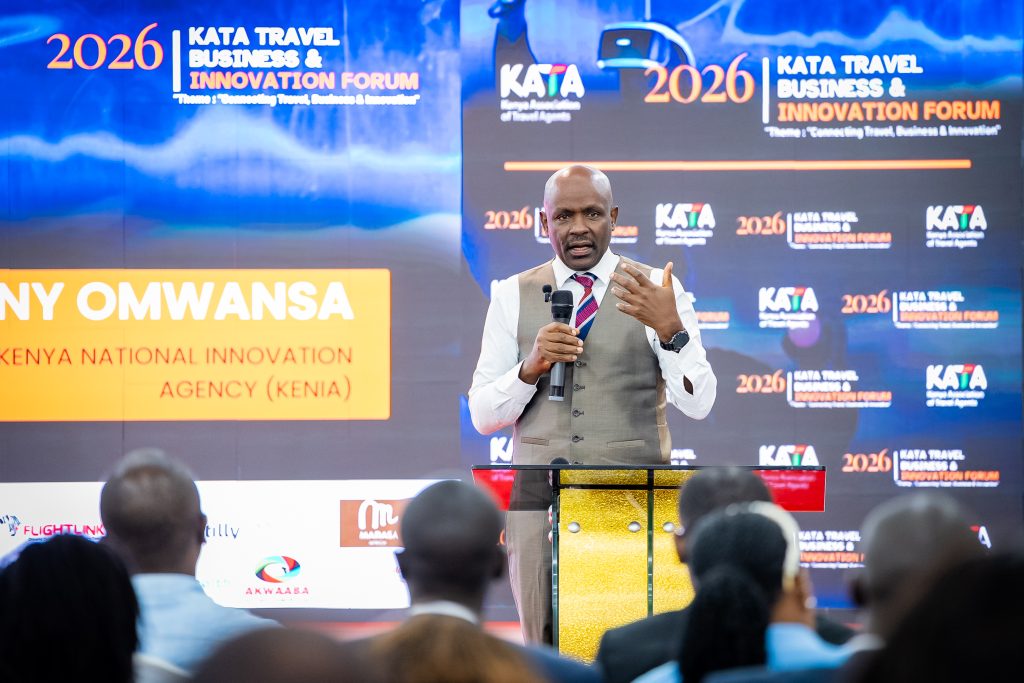
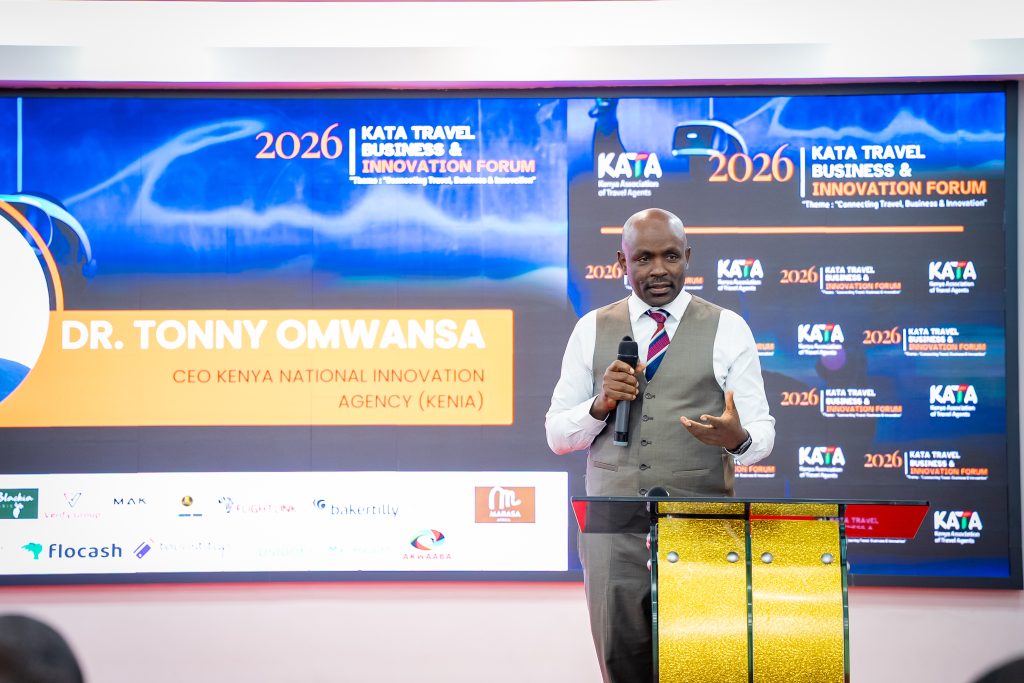
Dr Tonny Omwansa, chief executive of the Kenya National Innovation Agency, took the technology discussion a step further.
He began his keynote with an apparently simple exercise: delegates were asked to close their eyes and point north.
When they opened them, fingers were pointing in different directions.
The laughter made the point.
Perception can differ. Reality does not.
Omwansa then asked delegates whether they wanted to be a “thermometer or a thermostat”, whether they would simply measure what was happening around them or actively change the environment.
“May tomorrow be better because we became more thermostats than thermometers,” he said.
For a travel industry facing artificial intelligence, changing customer behaviour and increasingly digital distribution, the message was direct: adaptation alone may not be enough.
The industry has to participate in shaping the change.



The solutions were already in the room
The strongest feature of the forum was that the discussion about innovation did not end with keynote speeches.
It moved into a marketplace.
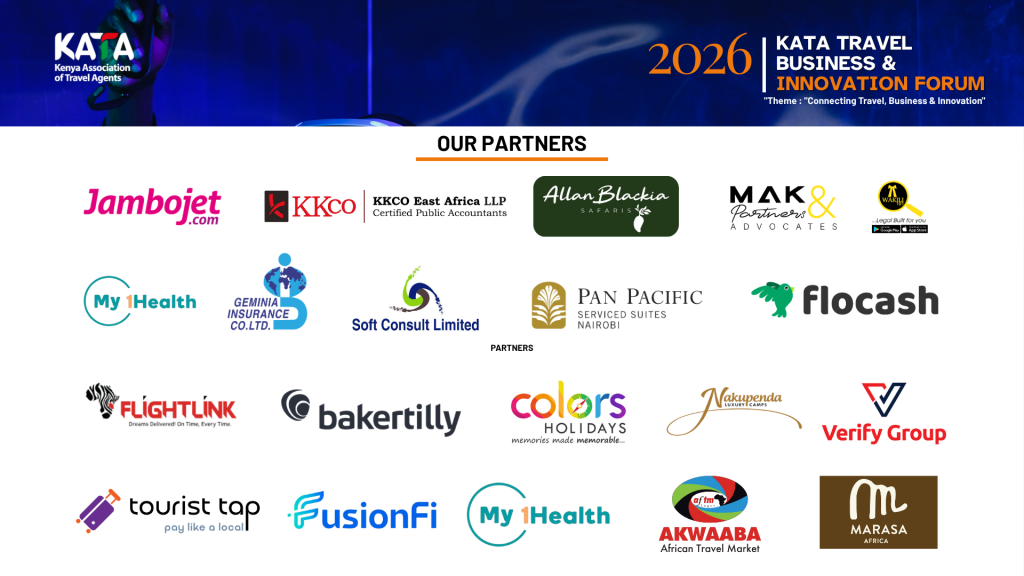
The programme featured business showcases from more than 20 organisations, allowing travel agents to examine solutions aimed at specific problems affecting their businesses.
Among the most practical innovations were payment technologies.
Flocash presented payment infrastructure designed to allow businesses to accept multiple local payment methods through a single integration, potentially reducing transaction friction for travel companies serving customers across markets.
FusionFi, meanwhile, showcased a multi-currency digital wallet combining mobile money, banking, stablecoins, payments and digital services in one platform.
And TouristTap, developed by Craft Silicon, demonstrated a cashless proposition aimed specifically at travellers. Its NFC-enabled technology allows tourists to use Visa or Mastercard through their phones to make payments as they would locally.
The significance for travel agents is straightforward: payments are no longer simply an administrative function at the end of a booking. They are becoming part of the customer experience and, potentially, a source of additional value.
Trust becomes a technology issue
Another cluster of solutions focused on a less glamorous but increasingly important part of the travel business: risk.
Verify Group showcased technology-driven verification, compliance and risk-management tools aimed at helping companies conduct due diligence and reduce fraud and operational exposure.
Geminia Insurance brought the risk conversation into the travel transaction, with insurance solutions covering travel, medical, motor and general business risks.
Audit, tax and governance providers Baker Tilly Kenya and KKCO East Africa also featured, reflecting a recognition that digital transformation does not remove the need for stronger financial controls, compliance and governance.
For an industry handling large volumes of customer money and supplier payments, the distinction between innovation and risk management is becoming increasingly blurred.
Technology meets the traditional travel business
The forum also demonstrated that innovation in travel is not confined to software.
Airline Jambojet presented opportunities around regional connectivity and its travel trade partner ecosystem, while Flightlink showcased scheduled regional and safari connectivity across East Africa.
On the accommodation side, Marasa Africa brought safari lodges and camps into the conversation, with products aimed at leisure, corporate and MICE travel. Pan Pacific Serviced Suites Nairobi, the host venue, highlighted its 175 suites and facilities for business, leisure and extended-stay travellers.
Destination management companies also used the forum to widen the product base available to agents.
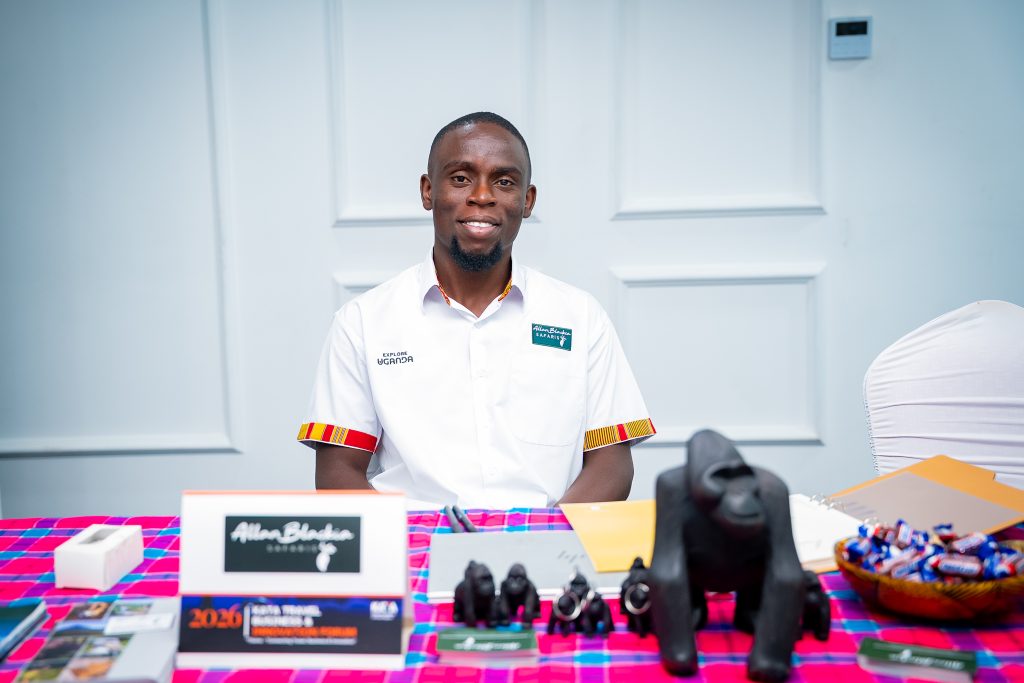
Uganda-based Allanblackia Safaris showcased cross-border safari and cultural products, while Dubai-based Colors Holidays presented a B2B destination management proposition covering holiday packages, hotels, airport transfers, excursions, MICE, group travel, visa assistance and ground handling.
For Kenyan agents, the message was that growth does not necessarily have to come from selling more of the same products. It can also come from accessing new destinations, suppliers and specialised services.
Medical travel enters the travel-agent conversation
Perhaps one of the more unconventional propositions at the forum came from My 1Health, a healthcare facilitation platform that is effectively turning medical travel into a structured travel product.
The company says it connects patients with more than 350 JCI-accredited and leading hospitals across more than 20 countries and six continents and has coordinated more than 53,000 patients from 151 nationalities.
Its model covers hospital matching, medical records, logistics, visa invitation letters and follow-up care.
That is a significant departure from the conventional image of a travel agent.
Instead of selling only a seat, room or safari, the agent can potentially sit at the centre of a much larger journey involving healthcare, accommodation, transportation and international coordination.
Planning Beyond the Founder
MAK & Partners Advocates brought a longer-term perspective to the forum, highlighting legal, tax and commercial solutions alongside the often-overlooked need for succession planning. For travel agencies built around their founders, the firm stressed the importance of preparing for leadership transitions and protecting business continuity as companies grow.
A marketplace for solutions
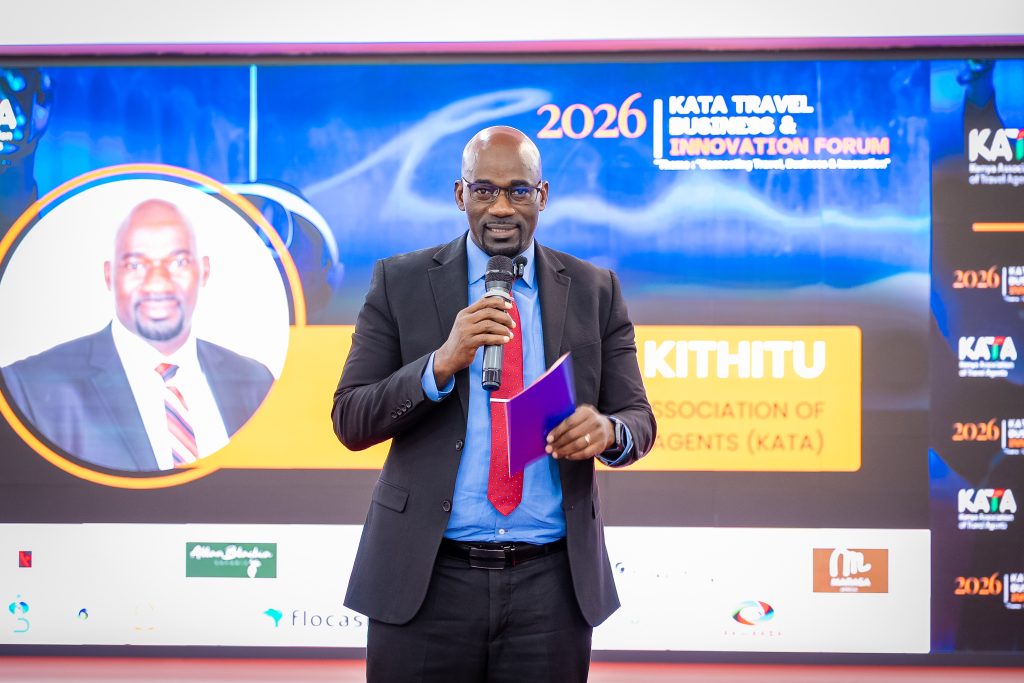
KATA chairman Dr Joseph Kithitu described the forum as a market for solutions. A place where problems confronting travel businesses could meet companies with the tools to address them.
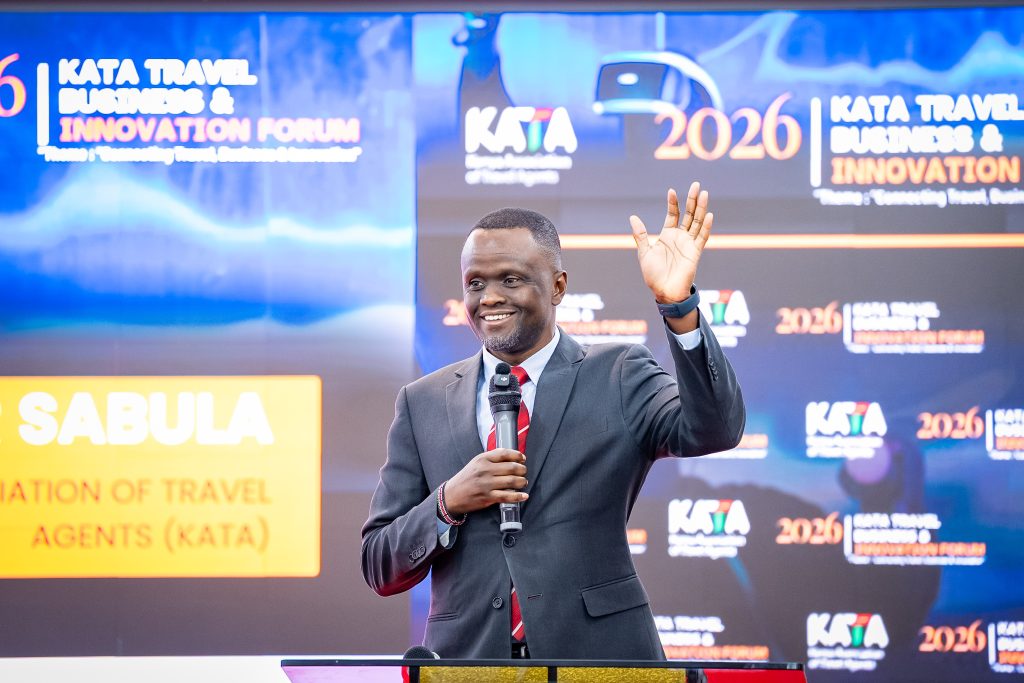
KATA chief executive Nicanor Sabula similarly stressed the need for agents to remain connected to “what is cutting edge”, while creating opportunities for business between travel agents and industry partners.
The programme was deliberately structured around this idea. After the keynote, delegates moved through three business showcase sessions, with companies given short presentations before networking and showcase visits. The agenda included fintech, insurance, audit, legal services, airlines, hospitality, DMCs, healthcare and digital business solutions.
It made for an unusual picture of Kenya’s travel economy: the people selling the journey were in the same room as the people building the systems through which that journey is paid for, insured, verified, booked, transported, accommodated and increasingly personalised.
That may ultimately prove to be the more important takeaway from the forum.
Kenya’s tourism sector has already crossed the KSh500 billion annual earnings mark, while travel agents process tens of billions of shillings in airline transactions.
The next battle is not simply over whether the market will grow.
It is over who captures the value when it does.
And if Omwansa’s thermostat analogy is anything to go by, the travel industry is being asked to stop merely reading the temperature, and start changing it.