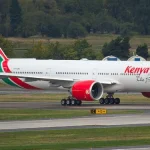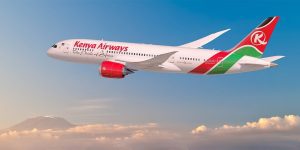

Kenya Airways has officially ushered in a new era on one of its most important international routes with the inaugural deployment of its Boeing 777-300ER on the Nairobi–London Heathrow service. The milestone, celebrated at Jomo Kenyatta International Airport (JKIA) on July 17, signals far more than the return of the airline’s largest passenger aircraft. It represents a significant boost for Kenya’s tourism industry, exporters, and travel trade.
The launch ceremony brought together government officials, aviation stakeholders and industry partners, including Cabinet Secretary for Roads and Transport Davis Chirchir, Principal Secretary for Aviation and Aerospace Development Teresia Mbaika, Kenya Airways executives, and Kenya Association of Travel Agents (KATA) CEO Nicanor Sabula.

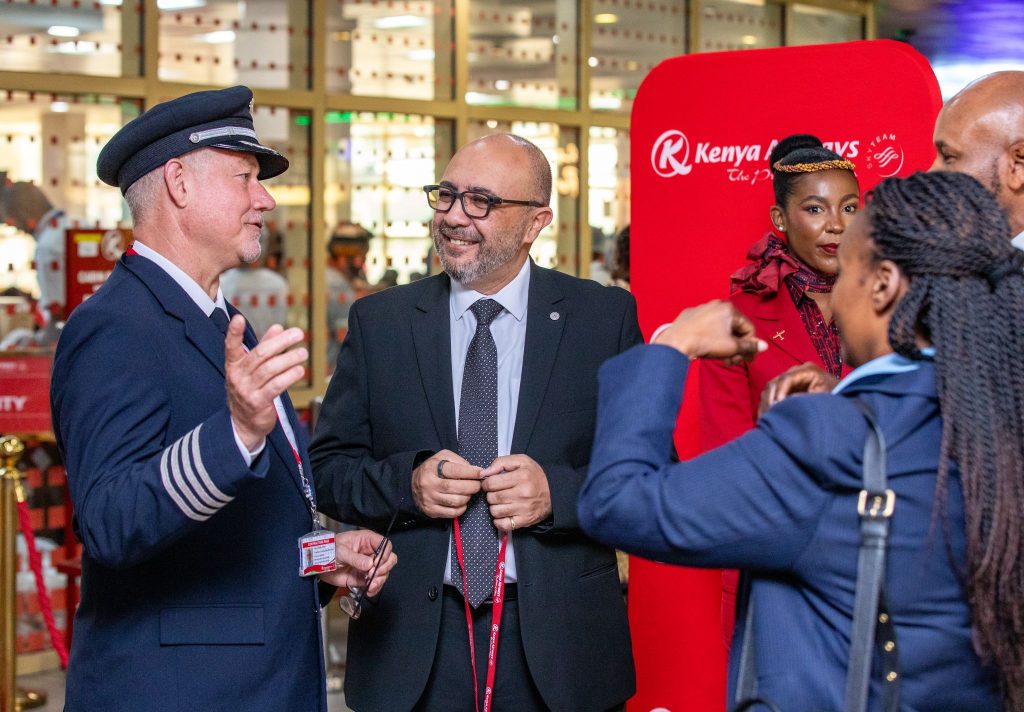
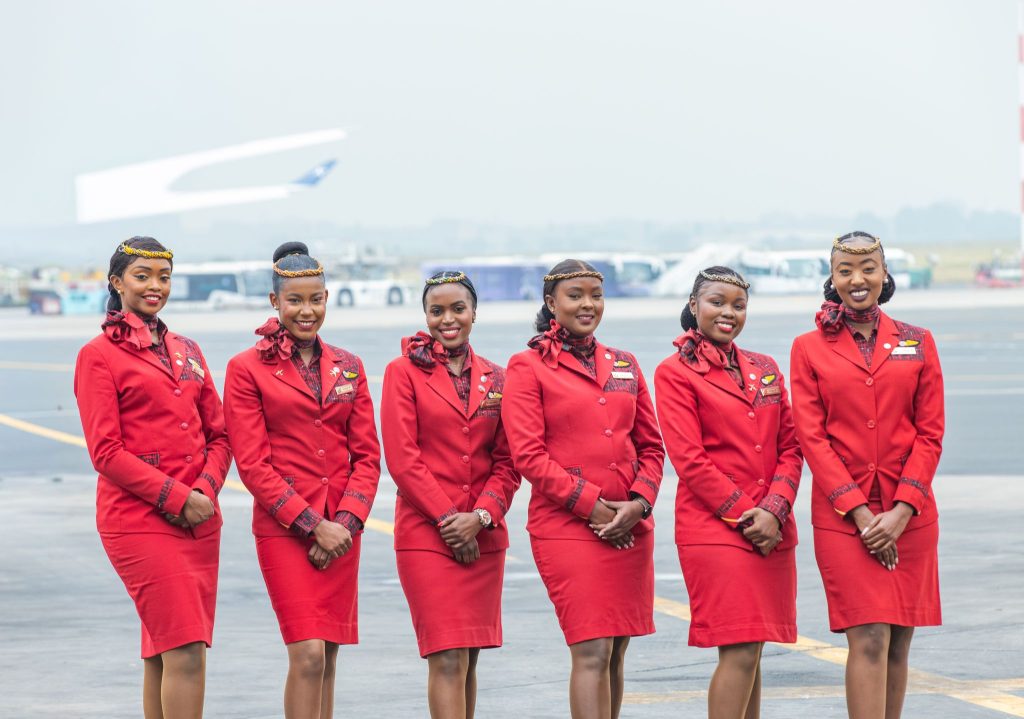

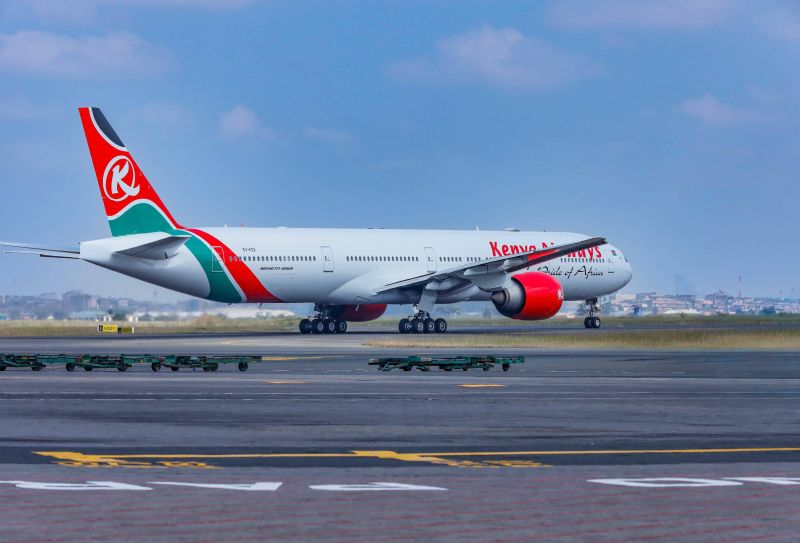
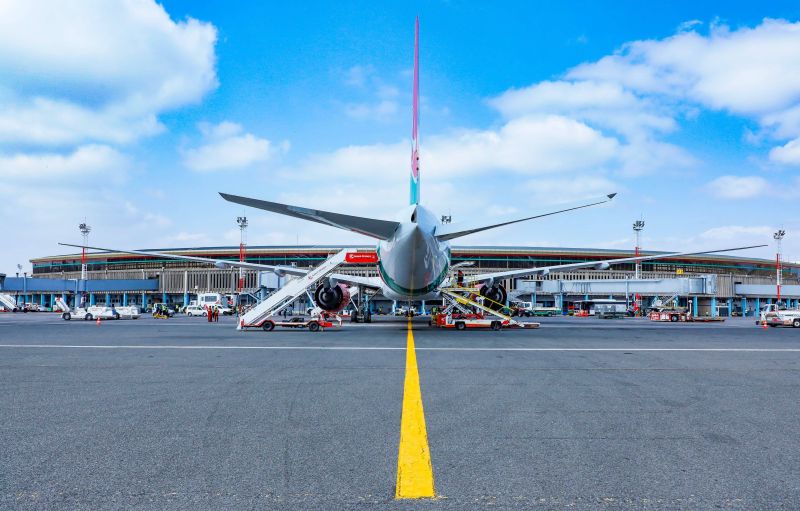
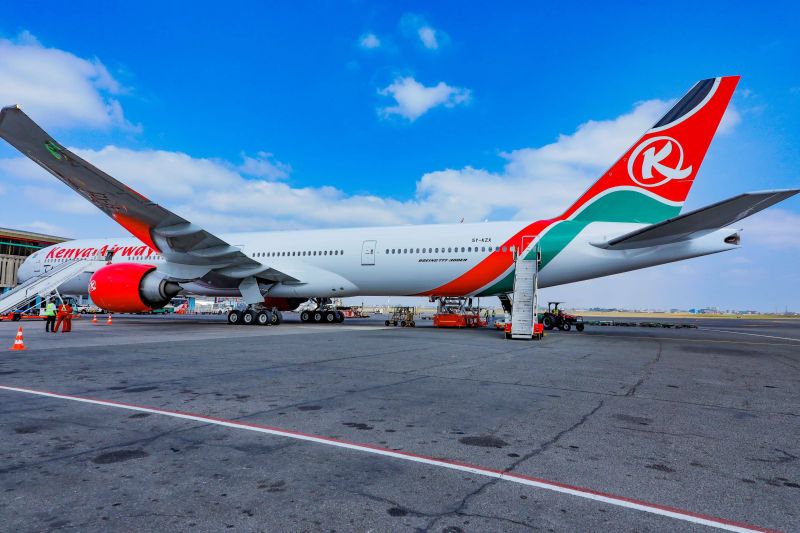
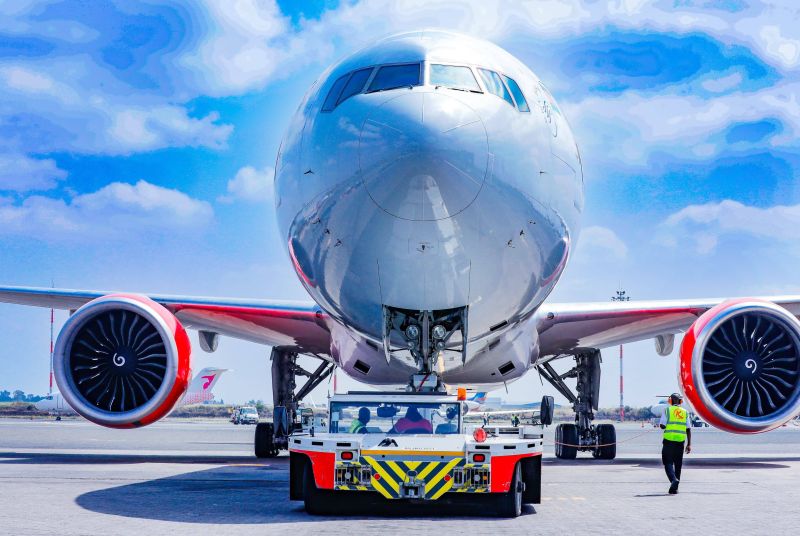
Describing the occasion as the beginning of a new chapter, Kenya Airways said the aircraft reflects its commitment to strengthening global connectivity while creating new opportunities for trade and tourism.
The Boeing 777-300ER brings a substantial increase in capacity to the London route. Compared to the Boeing 787 Dreamliner previously deployed on the service, the aircraft offers approximately 71 per cent more passenger seats and 62 per cent more cargo capacity. Configured to carry around 400 passengers, it becomes the largest aircraft currently operating in Kenya Airways’ passenger fleet.
For Kenya’s tourism sector, the additional seats arrive at an important time. London remains one of Kenya’s most valuable long-haul source markets for leisure tourism, business travel and Meetings, Incentives, Conferences and Exhibitions (MICE). More available seats make it easier for international visitors to access Kenya while also giving local travellers greater flexibility when planning trips to the United Kingdom and beyond.
The increased capacity also presents significant opportunities for travel agents.
Higher seat availability typically allows airlines to accommodate more group bookings, holiday packages and corporate travel programmes, particularly during peak travel seasons when demand on the London route has traditionally been high. For travel agencies, this translates into greater inventory, improved booking flexibility and enhanced opportunities to package Kenya alongside European destinations.
The restored wide-body service also strengthens Kenya Airways’ competitive position within the global aviation market. London Heathrow serves as one of the world’s busiest international gateways, connecting passengers to hundreds of onward destinations across Europe and North America. By deploying its flagship aircraft on the route, Kenya Airways is reinforcing Nairobi’s role as a leading African aviation hub.
Beyond passenger travel, the aircraft significantly expands cargo capacity, creating fresh opportunities for Kenyan exporters. The Boeing 777-300ER can accommodate approximately 22 tonnes of belly cargo, providing additional space for horticultural products, fresh flowers, vegetables, fisheries and manufactured goods destined for European markets.
Speaking during the launch, Transport Cabinet Secretary Davis Chirchir noted that the increased cargo capacity would provide exporters with more reliable access to international markets while supporting employment, businesses and economic growth.
He added that the government remains committed to strengthening Kenya Airways through strategic reforms, improving the airline’s financial position, pursuing a strategic investor and implementing policies aimed at ensuring the national carrier remains commercially sustainable and globally competitive.
For KATA members, the deployment of the Boeing 777-300ER is another positive development in Kenya’s steadily recovering aviation sector. Increased long-haul capacity not only expands travel options for outbound passengers but also creates greater opportunities to attract inbound visitors whose spending supports hotels, travel agents, tour operators, transport providers and numerous other tourism businesses.
As the inaugural flight departed Nairobi for London, it carried more than passengers and cargo. It symbolised renewed confidence in Kenya’s aviation future, reinforcing the country’s position as East Africa’s leading gateway while opening new possibilities for tourism growth, international trade and the travel professionals who help connect the world to Kenya.