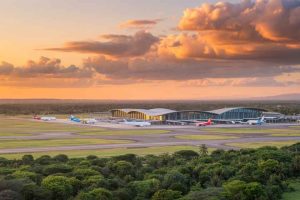

Kenya has launched an ambitious tourism strategy centred on wildlife, sustainability, and business travel as the nation marks a new developmental phase aimed at deepening the sector’s contribution to economic growth and job creation. The announcement, made on Jamhuri Day 2025—celebrated annually on December 12 to commemorate Kenya’s independence and republic status—highlights the government’s commitment to positioning tourism at the heart of national development.
A National Focus on Tourism and Sustainable Growth
Under the theme “Tourism, Wildlife and MICE (Meetings, Incentives, Conferences and Exhibitions),” the strategy underscores tourism’s pivotal role in Kenya’s economy, especially as a source of foreign exchange, employment and cultural exchange. Officials say the focus is not only on traditional safari destinations but also on expanding offerings across natural, cultural and business experiences.
In the lead-up to Jamhuri Day, Kenya hosted a week-long festival celebrating the nation’s diverse attractions—from the iconic Maasai Mara to the serene Indian Ocean coastline—encouraging both domestic and international visitors to explore the country and engage in sustainable travel.
The “Magical Kenya” Initiative: A Broader Global Identity
A cornerstone of the new strategy is the “Magical Kenya” initiative, aimed at repositioning the country on the world map as a premier destination that blends wildlife, culture, adventure, heritage and business tourism. President William Ruto highlighted that the campaign seeks to attract global travellers and investors by showcasing Kenya’s full spectrum of experiences, from wildlife safaris and cultural encounters to vibrant urban life and events.
Policy Reforms to Boost Competitiveness
Key policy measures unveiled include the introduction of an Electronic Travel Authorization (ETA) system, designed to simplify entry procedures for international visitors and make Kenya more accessible. Additionally, the Magical Kenya Souvenir Passport—a collectible stamp initiative at key attractions—is intended to encourage travellers to explore multiple regions of the country.
The strategy also elevates MICE tourism as a vital segment, with investment in world-class facilities such as the Bomas International Convention Complex, slated to be the largest of its kind in East and Central Africa when completed in 2026. This is expected to expand Kenya’s role as a preferred destination for international conferences and business events.
Economic and Social Impacts
Tourism remains a major economic engine for Kenya, contributing significantly to GDP, supporting local businesses and creating employment—particularly for youth in hospitality, guiding, transportation and events. By integrating sustainable practices and broadening its appeal, the government aims to enhance inclusive growth that benefits communities across the country.
Commitment to Sustainability and Community Engagement
The strategic push also reinforces Kenya’s dedication to wildlife conservation and sustainable tourism. While not detailed in the Jamhuri Day announcement, broader national plans include wildlife “signature trails,” digital eco-initiatives and strengthened community participation to ensure tourism supports conservation efforts and local livelihoods.
Source : Travel And Tour World