

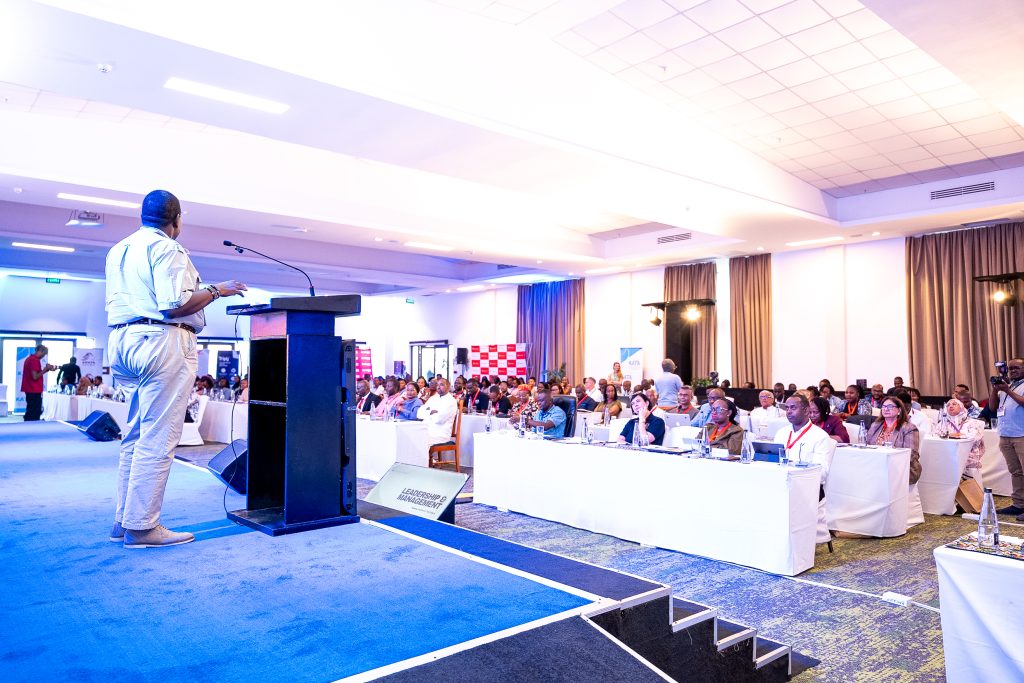
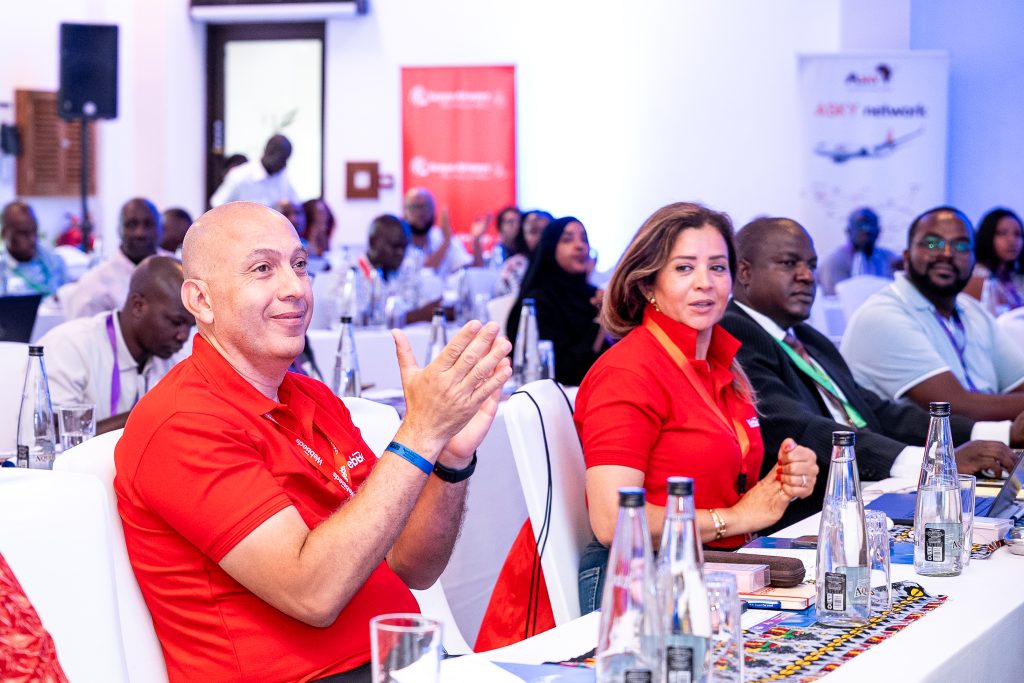
The ballroom at PrideInn Paradise Beach Resort & Spa fell into thoughtful silence on Friday 5th June 2026, as Dr. Julius Kipng’etich took the stage. Speaking to more than 350 delegates gathered for the Kenya Association of Travel Agents (KATA) AGM & Convention in Mombasa, the Group CEO of Jubilee Holdings delivered a keynote that was less about tourism statistics and more about the kind of leadership required to build institutions that outlive their founders.
Under the convention theme, “The Journey: Build to Last,” his message was clear: Kenya’s tourism industry has immense potential, but potential alone is not a strategy.
“We’re not ready. We have modest ambitions,” he observed. “Firm. True. Factual. But reassuring. Let’s be more ambitious.”
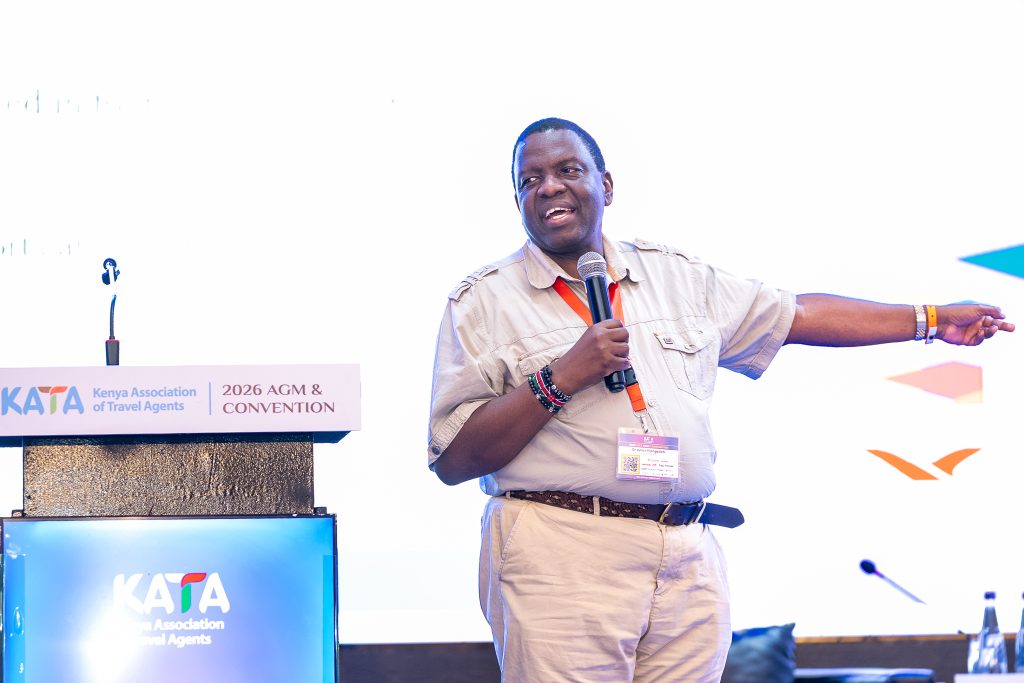
It was a challenge directed not only at travel agents, but at the entire tourism ecosystem. Great industries, like great institutions, are built on clear ambitions, through collaboration, shared purpose and collective ambition.
He urged delegates to rethink Kenya’s place in the global tourism marketplace. While destinations around the world have successfully defined and communicated a clear identity, Kenya’s proposition remains blurred.
“What’s the selling point for France tourism? Romance. Architecture. Good food and wine,” he said. “Kenya can sell romance.”
The room responded with curiosity, but the point was deeper than the example itself. Countries that succeed in tourism understand exactly who they are and what they stand for. Kenya, he argued, must do the same.
“We need to define ourselves much more clearly. Our travellers don’t understand us. They don’t know if Kenya is a high-end or low-end destination.”
At a time when Kenya welcomes approximately 2.7 million visitors annually, Dr. Kipng’etich believes the country is thinking far too small.
“We need to redefine ourselves as an industry. We are receiving 2.7 million tourists. We have to define who we want and where. 2.7 million tourists is too little for Kenya.”
His vision is bold.
“If we don’t do 10 million tourists by 2035, we would have let Kenyans down.”
The challenge was not merely about increasing arrivals. It was about transforming tourism into a force capable of creating jobs, driving investment and providing opportunities for Kenya’s young population.

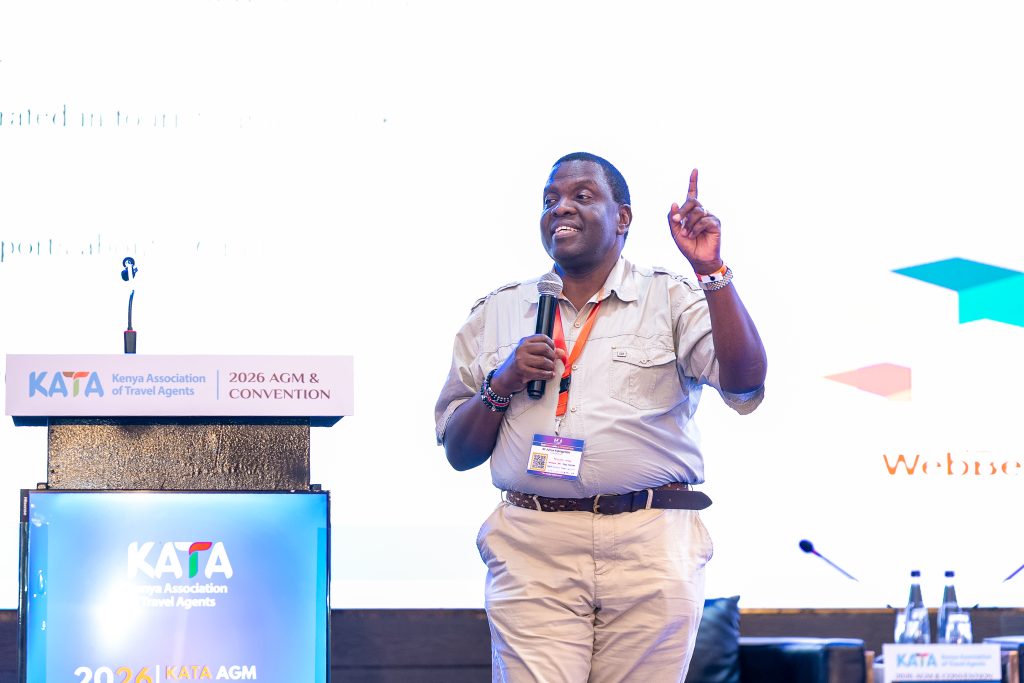
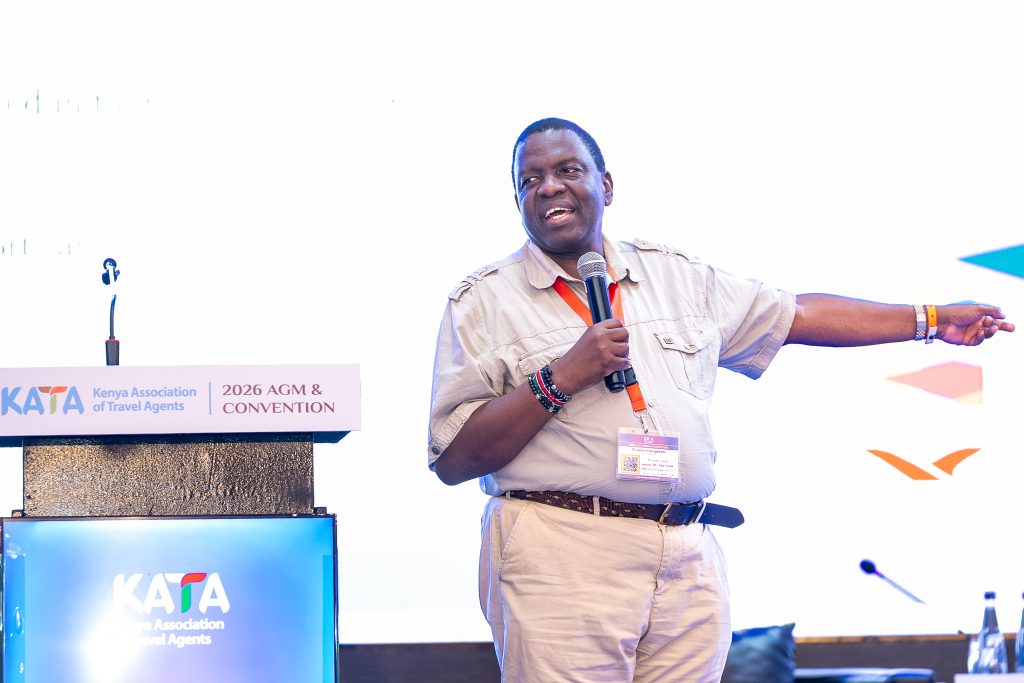
“Tourism is a solution to many of the vices affecting young people,” he noted.
That future, he insisted, belongs to Africa.
“I want you to be a bit bolder, scared. The future of tourism is here in Africa.”
He questioned whether the industry is keeping pace with the demographic realities shaping tomorrow’s traveller.
“How can the industry be thinking old yet the average traveller in Kenya is 19 years old?”
His call was for a sector that embraces innovation, technology and new consumer expectations instead of relying on models that worked decades ago.
The answer, according to Dr. Kipng’etich, lies in reimagining the tourism product itself.
While Kenya’s beaches and wildlife remain world-class assets, he challenged stakeholders to think beyond traditional offerings.
“In Mombasa we can sell the beach and Tsavo. What is lacking is ambition.”
He advocated for diversification into adjacent sectors such as agritourism.
“We need to build tourism around agriculture. This connects ecosystems that are disconnected.”
The proposal reflected a broader belief that tourism should be integrated into the wider economy, creating value chains that benefit communities, farmers, entrepreneurs and destinations alike.
Yet perhaps the most powerful section of his keynote focused on leadership itself.
“Great institutions are not built by charisma alone. They are built by values, systems, people and disciplined leadership.”
For delegates gathered under the banner of Build to Last, the statement became a guiding principle for what followed.
Drawing from his own leadership experience, Dr. Kipng’etich outlined four pillars for building lasting businesses and institutions.
The first was purpose before profit.
“Purpose before profit,” he emphasized, urging leaders to be courageous and relentlessly focused on customer experience.
The second was values.
“Values are the foundation,” he said, explaining that businesses strengthen the character of their products and services by anchoring them in principles that customers can trust.
The third pillar was systems.
“Building strong systems,” he noted, is what separates organisations that survive from those that endure.
For him, systems are the procedures, structures and seamless connections that create consistency for customers and continuity for future generations.
“Systems become a legacy.”
The fourth pillar was governance and accountability.
“Entire systems must be accountable,” he said. “If you have a good character, a good reputation will come. That’s how we will have 10 million tourists.”
He described accountability not as a compliance exercise, but as a culture that reinforces trust across the tourism ecosystem.
Equally important were people.
“People and culture are the cornerstone of the tourism industry.”
In an industry built on service, experiences and human interaction, investing in people remains one of the most enduring competitive advantages.
Throughout his address, Dr. Kipng’etich drew inspiration from notable African voices.
Quoting the late Nobel Laureate Wangari Maathai, he reminded delegates that transformational change often begins with individual action.
“It’s the little things citizens do. That’s what will make the difference. My little thing is planting trees.”
He also referenced Academy Award-winning actress Lupita Nyong’o’s famous words:
“No matter where you are from, your dreams are valid.”
The message resonated with the broader conversation about Kenya’s tourism future. Ambitious goals are only impossible until a sector collectively decides they are achievable.
As he brought his keynote to a close, Dr. Kipng’etich returned to the essence of leadership and legacy.
“The true measure of leadership is not what we achieve during our tenure, but what continues to flourish long after we are gone.”
It was a fitting conclusion for a convention dedicated to building institutions that endure.
For the more than 350 travel professionals gathered in Mombasa, the keynote served as both a challenge and an invitation: to think bigger, collaborate more intentionally, redefine Kenya’s value proposition, diversify tourism products, and build businesses rooted in purpose, values, systems, people and accountability.
Because if Kenya is to realise the vision of 10 million visitors by 2035, it will require more than optimism.
It will require ambition.
And, as Dr. Kipng’etich reminded the industry, ambition is ultimately a choice.