Ethiopian Airlines Travel Expansion Ignites Africa as New Direct Mauritius Route Reshapes Regional Connectivity

Mauritius and Addis Ababa have entered a new phase of air connectivity as Ethiopian Airlines announces the launch of a direct passenger route linking the Ethiopian capital with the island nation of Mauritius. The move introduces a fresh  travel bridge between East Africa and one of the Indian Ocean’s most sought-after leisure destinations.

This development reflects a significant step in strengthening air transport links across the region. It positions Mauritius more prominently on the African aviation map while reinforcing Addis Ababa’s role as a central hub for international transit. The new connection is designed to simplify travel flows, reduce transit dependency, and improve access between two dynamic destinations with growing tourism and business demand.

The announcement highlights how airlines are reshaping regional networks to respond to increasing demand for efficient and direct travel options across Africa and surrounding island economies.

Strategic Expansion of Ethiopian Airlines Network

Ethiopian Airlines has introduced the new Mauritius service as part of its broader strategy to expand connectivity across Africa and the Indian Ocean region. The airline continues to strengthen its global network by linking key destinations through its Addis Ababa hub.

The direct route to Mauritius is expected to support improved passenger movement between East Africa and island tourism markets. It also enhances travel opportunities for business, leisure, and transit passengers who rely on seamless connections across long-distance routes.

This expansion reflects a continued focus on network optimisation, where direct routes are increasingly prioritised to reduce travel time and improve passenger convenience. Addis Ababa continues to serve as a major connecting hub, offering access to multiple global destinations through a growing network structure.

Strengthening Africa–Indian Ocean Connectivity

The new air link between Ethiopia and Mauritius reinforces growing aviation integration across Africa and the Indian Ocean region. Mauritius, known for its tourism-driven economy, benefits from expanded accessibility through additional African gateways.

For Ethiopian Airlines, this route strengthens its position as a leading carrier in continental connectivity. It creates new pathways for regional mobility and supports stronger links between mainland Africa and island economies.

The introduction of direct flights also contributes to more balanced travel distribution across different international hubs. It reduces dependency on indirect routing through external regions and supports more efficient movement within African aviation corridors.

This development is also expected to enhance the visibility of Mauritius as a travel destination among African markets, opening new channels for tourism inflows and cultural exchange.

Boost to Tourism and Passenger Mobility

Mauritius continues to attract global travellers due to its natural landscapes, coastal attractions, and strong tourism infrastructure. The direct connection from Addis Ababa is expected to make the destination more accessible to African travellers and international passengers connecting through Ethiopia.

Improved connectivity typically plays a key role in stimulating tourism demand. Easier access often results in increased travel interest, especially in leisure destinations like Mauritius where holiday travel is a major economic driver.

The new route also supports smoother passenger movement across multiple regions. Travellers can now benefit from simplified itineraries, reduced layovers, and more direct access to one of the Indian Ocean’s premier destinations.

Addis Ababa Strengthens Its Global Transit Position

Addis Ababa continues to develop its position as one of Africa’s key aviation hubs. The addition of Mauritius to its network further strengthens its role in connecting Africa with island destinations and long-haul international markets.

The airport’s growing connectivity reflects broader aviation trends where hub-and-spoke models are evolving into more efficient and diversified networks. Ethiopian Airlines plays a central role in this transformation by continuously expanding its route portfolio.

The Mauritius connection adds another strategic layer to this network structure. It enhances the airline’s ability to channel passenger traffic between multiple regions through a single efficient hub.

Outlook for Regional Travel Growth

The introduction of direct flights between Addis Ababa and Mauritius signals a positive outlook for regional air travel development. It highlights growing demand for improved connectivity between Africa and Indian Ocean destinations.

As travel patterns evolve, airlines are increasingly focusing on direct routes that support tourism growth, economic exchange, and simplified passenger experience. The Mauritius service aligns with these trends and contributes to a more interconnected aviation landscape.

This expansion is expected to strengthen  travel flows in both directions, supporting outbound and inbound tourism while improving regional accessibility across multiple markets.

The development marks another step in the ongoing transformation of African aviation networks, where connectivity, efficiency, and accessibility are becoming central to airline growth strategies. Mauritius and Addis Ababa now stand more closely linked in this evolving travel ecosystem, setting the stage for increased movement and stronger regional ties in the years ahead.

Source: travelandtourworld.com

Travel AI and Sustainability Can Coexist, Industry Experts Say

The corporate travel industry has spent the past few years watching sustainability slide down the priority list as artificial intelligence (AI) rises to the forefront of business transformation. At first glance, the two trends may appear to be in conflict, particularly given concerns about the environmental impact of energy-intensive data centres that power AI technologies.

However, travel technology leaders speaking at a recent Business Travel ESG Summit argued that AI and sustainability do not have to be opposing forces. Instead, they suggested that AI could ultimately become a catalyst for advancing sustainability goals across the travel sector.

Industry experts noted that the growing demand for computing power is likely to accelerate investment in renewable energy solutions as technology companies seek to lower operating costs and reduce environmental impacts. While the current expansion of AI infrastructure raises concerns about energy consumption, it could also drive innovation and large-scale adoption of cleaner energy sources.

Research cited during the summit pointed to the potential for AI to reduce overall emissions through greater efficiency and optimisation. According to findings from the International Energy Agency, widespread AI adoption could theoretically generate emission reductions that outweigh the increased emissions associated with data centre operations.

Despite this optimism, sustainability professionals acknowledge that environmental initiatives have lost momentum in many organisations. Industry surveys reveal a significant shift in priorities. While sustainability ranked highly among business travel professionals just a few years ago, more recent surveys show far fewer travel buyers listing sustainability among their top strategic priorities.

Experts attributed this decline to a combination of factors, including changing political and economic environments, shifting corporate objectives, and what has become known as “green-hushing”—where organisations continue sustainability efforts without actively promoting them or have embedded them so deeply into everyday operations that they are no longer viewed as separate initiatives.

A recurring theme throughout the discussion was the challenge of data quality. Industry leaders argued that many organisations are struggling to meet sustainability commitments because they lack reliable, standardised data to measure progress effectively.

One of the longstanding challenges in the travel sector is the absence of consistent environmental reporting standards. Travel managers often encounter a wide range of sustainability certifications and eco-labels, making it difficult to compare suppliers and make informed decisions.

Experts emphasised that AI can play a valuable role in addressing these challenges by helping organisations consolidate and clean data from multiple sources, including travel management companies, expense systems, booking platforms, payment systems, and human resources databases. By creating a unified and accurate dataset, organisations can make smarter decisions about how, where, when, and why employees travel.

For example, AI can help solve common data management issues, such as identifying and matching different records that refer to the same hotel or supplier across multiple systems. This creates a more reliable “single source of truth” that supports both operational efficiency and sustainability reporting.

However, speakers cautioned that AI is not a cure-all. Poor-quality data remains a significant risk, and introducing AI without a strong data foundation can amplify existing inaccuracies. Inaccurate information fed into AI systems can become increasingly distorted as it moves through multiple layers of analysis.

As a result, organisations were encouraged to focus first on ensuring the accuracy of a small number of critical data points before expanding their use of AI-powered tools.

The discussion also highlighted the importance of using AI selectively. In some situations, traditional automation or human oversight may remain more effective and cost-efficient than deploying advanced AI solutions. The goal, experts argued, should not be to apply AI everywhere, but rather to use it where it delivers measurable value and supports broader sustainability objectives.

Looking ahead, industry leaders expressed confidence that sustainability will regain prominence as organisations move closer to their 2030 environmental commitments. Travel programmes that have continued investing in data quality and sustainability infrastructure, even during periods when environmental issues received less attention, are expected to be best positioned to achieve their targets.

The message from the summit was clear: sustainability and AI are not competing priorities. When supported by reliable data and implemented strategically, AI has the potential to strengthen sustainability efforts, helping organisations reduce emissions while improving efficiency across their travel programmes.

Source: businesstravelnewseurope.com

Visa-Free Africa Gains Momentum, But Air Connectivity Remains a Major Challenge

Africa is making steady progress toward easier cross-border movement as more countries remove visa requirements for fellow Africans. Recent announcements by the Republic of Congo and Togo have added momentum to a growing continental push for greater integration, trade, and tourism.

The Republic of Congo has announced that beginning in 2027, African citizens holding valid passports will be allowed to enter the country without a visa. The move follows a similar decision by Togo, which recently introduced visa-free access for all African passport holders.

The developments have been welcomed by advocates of regional integration, who view the easing of travel restrictions as a key step toward realizing the ambitions of the African Continental Free Trade Area (AfCFTA). Easier movement of people is expected to support business, tourism, cultural exchange, and investment across the continent.

Over the past decade, several African countries have taken steps to simplify entry procedures. Rwanda, Ghana, Kenya, The Gambia, and others have introduced visa-free or visa-on-arrival policies aimed at encouraging intra-African travel. According to continental visa openness assessments, access for African travelers has improved significantly, with more countries embracing digital visa systems and streamlined entry requirements.

However, experts argue that visa liberalization alone is not enough.

Despite progress at border points, the cost of traveling within Africa remains one of the biggest obstacles to mobility. Airfares between African cities are often higher than flights to destinations outside the continent. In many cases, travelers must transit through Europe or the Middle East to reach neighboring African countries due to limited direct connections.

Aviation stakeholders have repeatedly pointed to restrictive air service agreements, multiple taxes and charges, and the slow implementation of the Single African Air Transport Market (SAATM) as factors driving up costs and limiting connectivity.

Industry observers note that true freedom of movement requires more than open borders. Investments in aviation infrastructure, expanded route networks, efficient immigration systems, and affordable transport options are equally important.

Tourism operators also believe that easier and cheaper travel could unlock significant economic opportunities. Increased visitor flows would benefit hotels, tour operators, airlines, and local businesses while strengthening people-to-people connections across the continent.

As African nations continue to embrace visa-free policies, attention is increasingly turning to the skies. For many travelers, the next phase of integration will not be determined by whether they need a visa, but whether they can afford the ticket.

The growing consensus among policymakers is that a truly connected Africa will require both open borders and open skies.

source : theeastafrican.co.ke

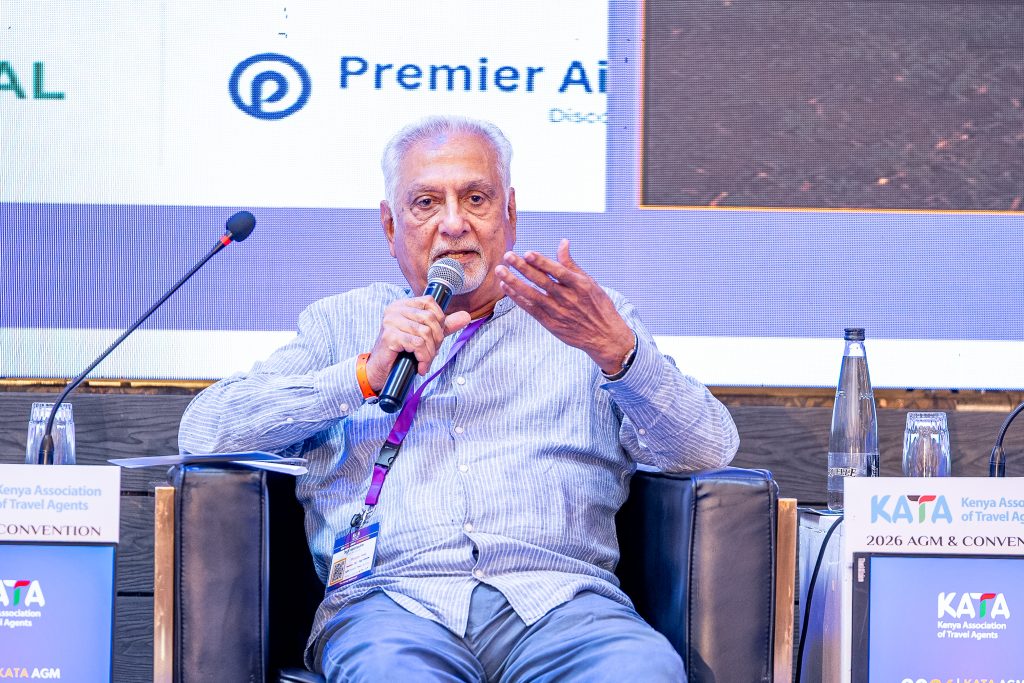
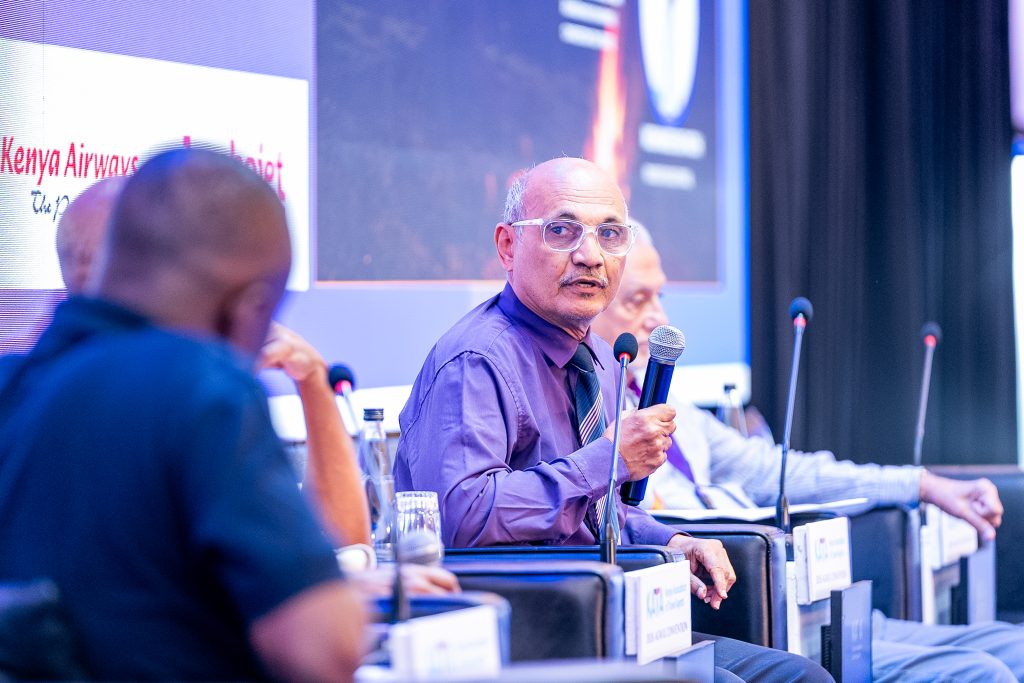
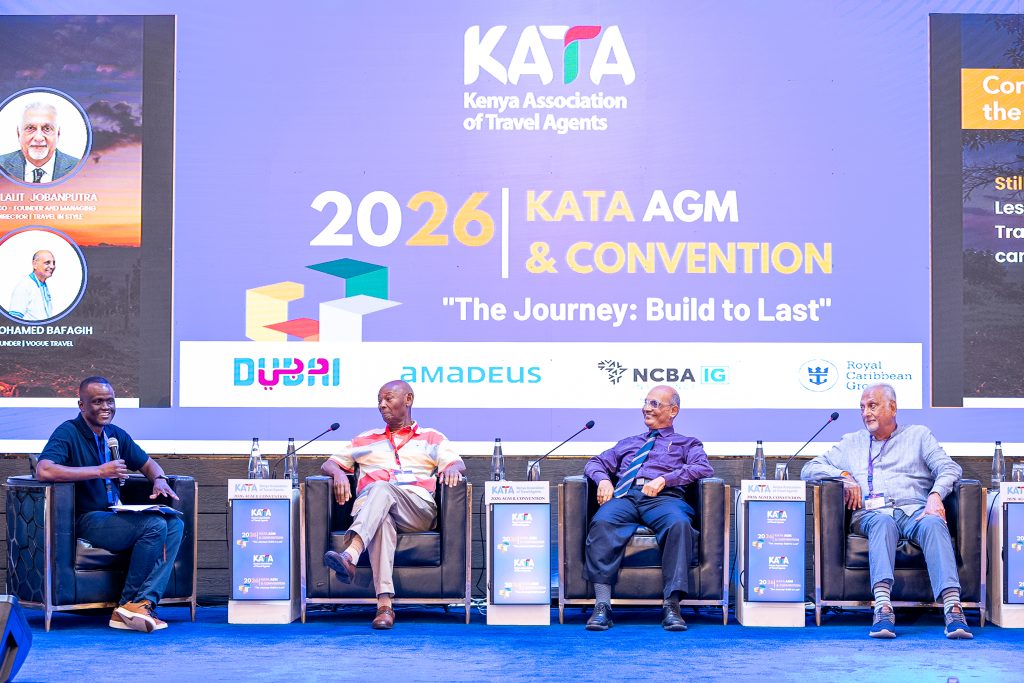
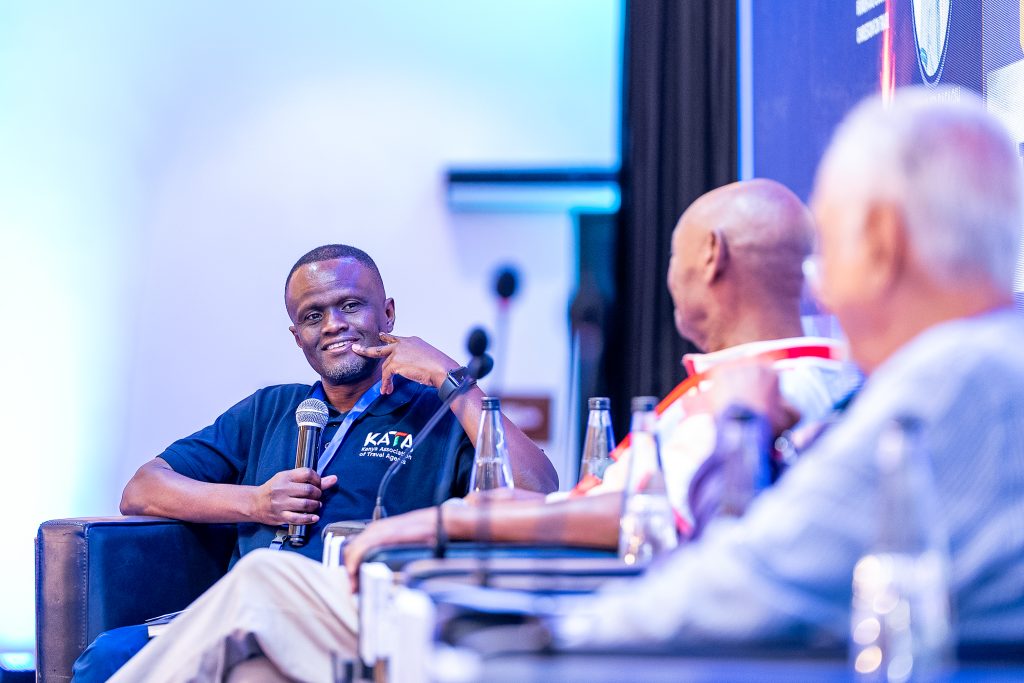
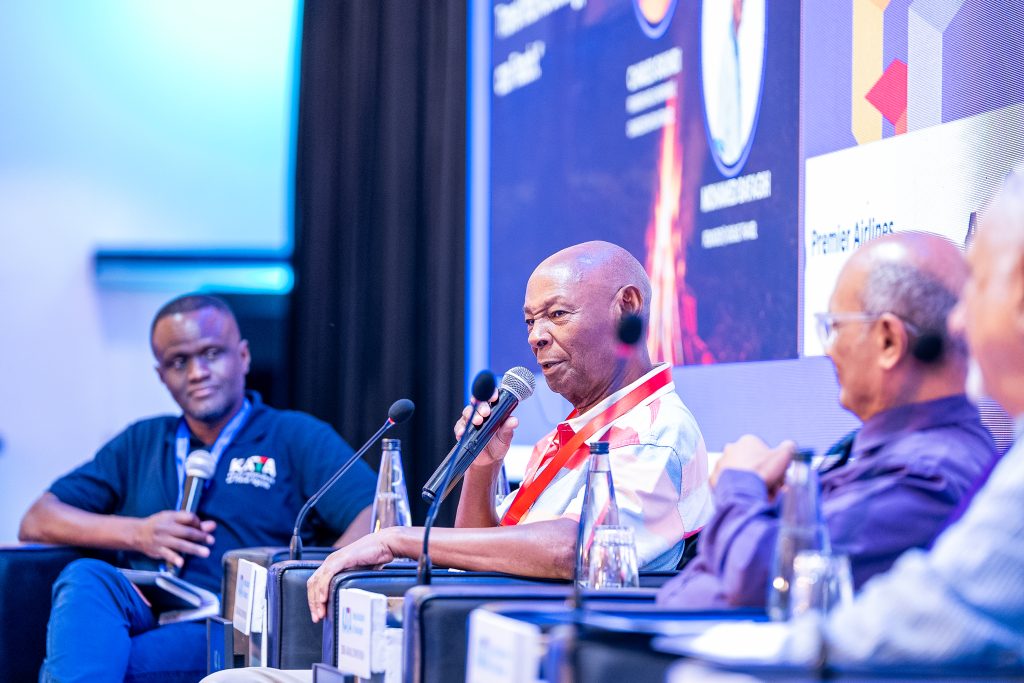
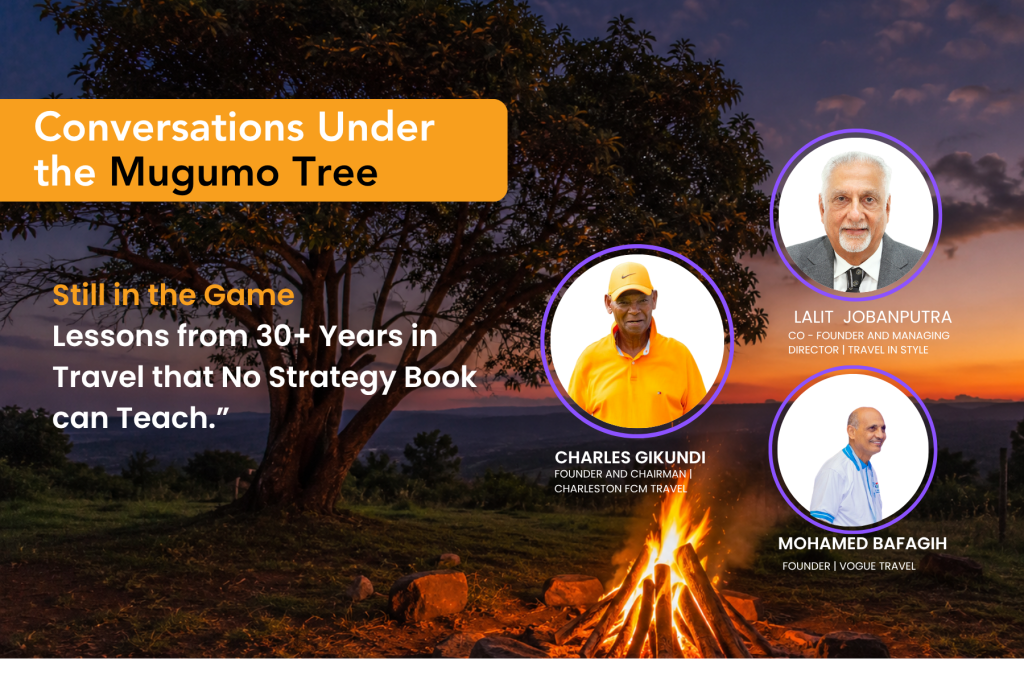
KATA AGM 2026: The Men Who Stayed — Lessons from More Than 30 Years in Travel

By the time the final day of the KATA AGM & Convention 2026 arrived, delegates had sat through presentations, discussions, data, forecasts and debates about the future of travel. Then came something different.

No PowerPoint slides.

No industry jargon.

Just three veterans of Kenyan travel seated under the symbolic shade of the Mugumo Tree.

In many African communities, the Mugumo Tree is more than a tree. It is a place of wisdom. A gathering point where stories are shared, disputes settled, lessons passed from one generation to another, and where time itself seems to slow down.

The session, aptly titled “Still in the Game: Lessons from 30+ Years in Travel That No Strategy Book Can Teach,” brought together Charles Gikundi, Founder and Chairman of Charleston FCM Travel, Mohamed Bafagih, Founder of Vogue Travel, and Lalit Jobanputra, Co-Founder and Managing Director of Travel in Style.

What followed was less of a panel discussion and more of a masterclass in endurance.

The room changed.

The audience relaxed.

Then listened.

Carefully.

Because these were not theories. They were stories earned through decades of surviving crises, building businesses from scratch, making mistakes, taking risks and refusing to quit.

Charles Gikundi’s journey began in 1970 when he joined East African Airways, the airline that would eventually give birth to Kenya Airways, Uganda Airlines and Air Tanzania.

“It was not simple for me, a village boy brought to town to work on tickets and matters travel,” he recalled.

More than five decades later, travel remains the only industry he has ever known.

His journey took him through Air France, where he says he learned about wine, culture and “the finer things in life,” before eventually founding Charleston Travel in 1990 and commencing operations in 1991.

Yet for a man who has witnessed decades of change, nothing compared to COVID-19.

“When airlines started parking aircraft in graveyards and putting red blankets on the engines, it scared me,” he told delegates. “Seeing airplanes going to sleep took away my own sleep.”

For perhaps the first time in his career, he wondered whether travel had reached its end.

“At the office we shut the door. I thought travel had come to an end.”

But it didn’t.

And neither did Charleston – FCM Travel.

One of the most important decisions he ever made, he said, was bringing in partners when growth and financial pressures became too great to carry alone.

“When the partners came, we moved from 20 employees to 50, then 100, then 150.”

His lesson was simple.

“Dedication. Resilience. Believe in what you are doing. Sometimes when you are in a crisis, you must find a way of going up.”

If Gikundi’s story was about persistence, Mohamed Bafagih’s was about starting over.

Twice.

After excelling in geography at school, he began his career as a mathematics teacher before joining Air France, a journey that took him to Dubai and Saudi Arabia.

Then came the aftermath of the September 11 attacks.

Air France closed operations in Saudi Arabia.

Suddenly, he was unemployed.

“I had a daughter in school. My wife was pregnant. I didn’t even have money for rent.”

He sold what he had, returned to Mombasa and began rebuilding.

That rebuilding eventually became Vogue Travel.

Today, he looks back at a profession that once relied on little more than two books, a telephone and knowledge of geography.

“We had the ABC timetable for flights and the APT for fares. If you knew geography and had a phone, you were a travel agent.”

His advice on longevity focused less on growth and more on integrity.

“Do your work properly. Take your commission properly. If we chased quick money, we could be lost.”

For Bafagih, sustainability is built through trust, repeat customers and service.

And when it comes to succession, he offered a perspective that resonated strongly across the room.

Many business owners naturally hope their children will inherit what they have built.

But if not?

“My idea was always to give shares to employees.”

The audience responded with appreciative nods.

Because beneath the statement was a powerful truth: institutions survive when ownership extends beyond the founder.

Lalit Jobanputra brought yet another perspective.

His journey to travel was anything but direct.

Born in Kisumu in 1951, he worked as a systems analyst, later joined a multinational textile company, and eventually ventured into a video cassette business before discovering the opportunities hidden within travel management.

Getting an IATA licence took two years.

Ticketing was manual.

Airline commissions were generous.

Then they weren’t.

“Ten, nine, seven, one,” he said, tracing the steady decline in commissions over the years.

Many in the audience remembered the industry’s famous fight against zero commissions, a battle in which KATA played a leading role.

But for Jobanputra, the defining challenge was also COVID-19.

“It was not a single event. It was the combination of the pandemic and the uncertainty that followed.”

Travel stopped.

Refunds mounted.

Confidence disappeared.

Yet his family made a decision.

No employee would lose their job.

For Travel N’ Style, Staff stayed home, remained insured and continued receiving support despite the uncertainty.

“We even used our own resources to make those families happy.”

The experience reinforced a lesson he believes many leaders overlook.

“Relationships are more valuable than transactions.”

Today, Travel in Style has grown beyond where it stood before the pandemic, proof that loyalty often produces returns that cannot be measured on a balance sheet.

On succession, Jobanputra was particularly candid.

“Succession planning is the most overlooked aspect of business.”

Too often, he argued, founders become inseparable from their companies. The relationships, decisions and culture all revolve around one person.

His solution has been deliberate delegation.

“I don’t make decisions today. I leave decision-making to staff and my children.”

The result has been growth not just in revenue, but in leadership capacity.

As the conversation drew to a close, a common thread emerged from all three stories.

None of the men spoke about technology first.

None spoke about market share.

None spoke about disruption.

They spoke about people.

About trust.

About resilience.

About patience.

About surviving long enough to see the next opportunity.

Perhaps that is why the session felt different.

Under the symbolic shade of the Mugumo Tree, delegates were reminded that while technology changes, business models evolve and markets shift, some fundamentals remain timeless.

The travel industry may continue to reinvent itself, but institutions that endure are still built the old-fashioned way: through character, relationships, adaptability and a willingness to keep going when every reason says stop.

And as the curtain fell on the KATA AGM & Convention 2026, it was fitting that some of the most powerful lessons came not from looking ahead, but from listening to those who have spent more than thirty years proving that staying in the game is an achievement in itself.

2026 KATA AGM: Dr. Julius Kipng’etich Unveils a Blueprint for Building Travel & Tourism Institutions That Last

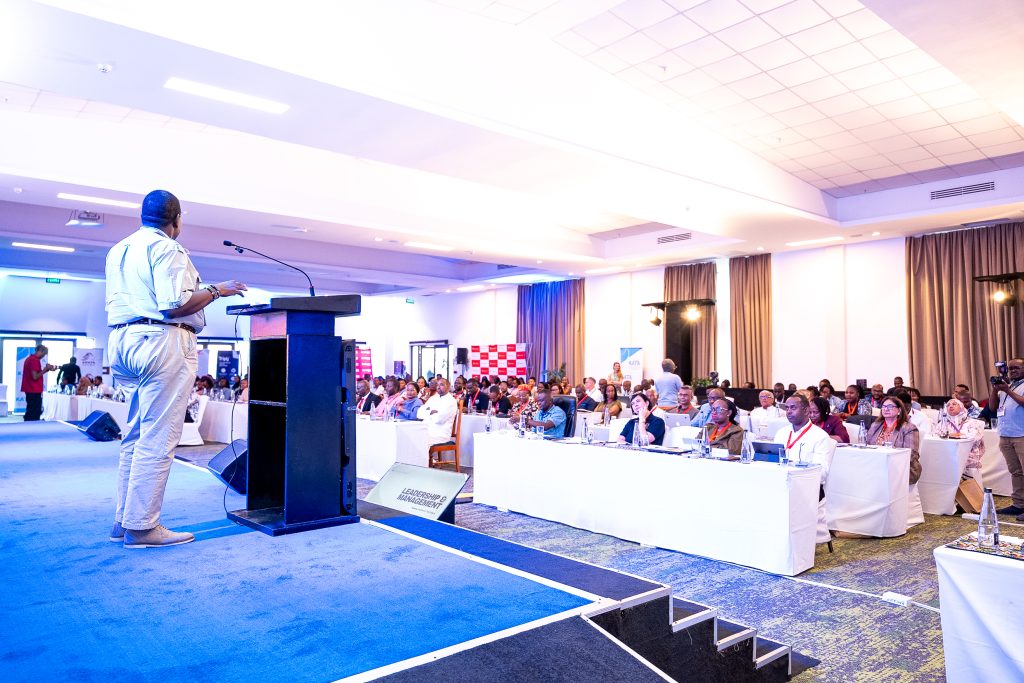
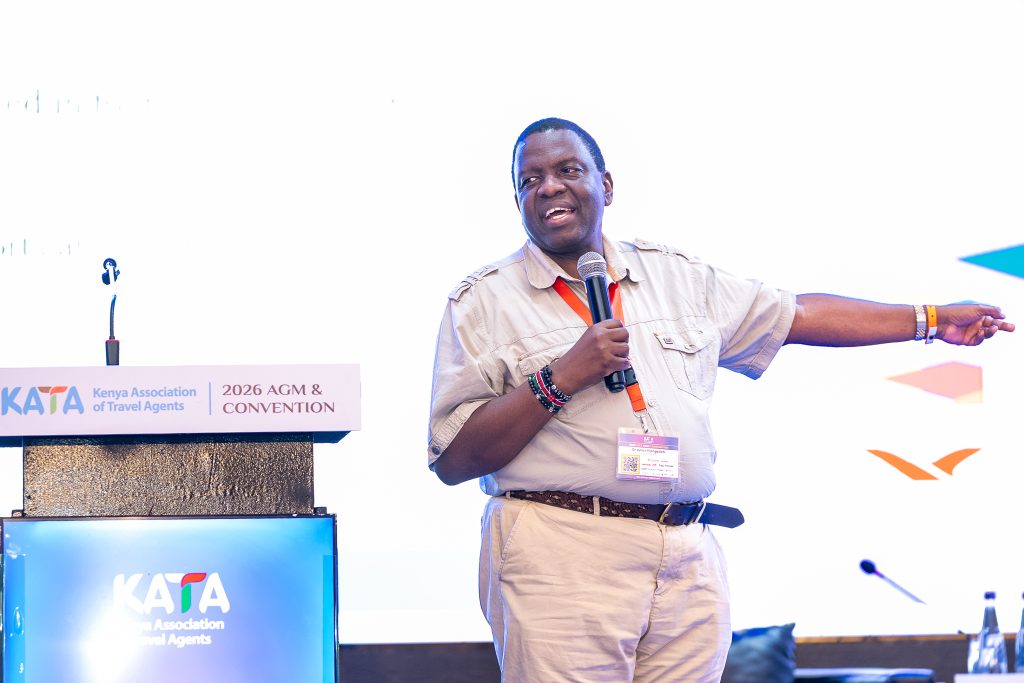
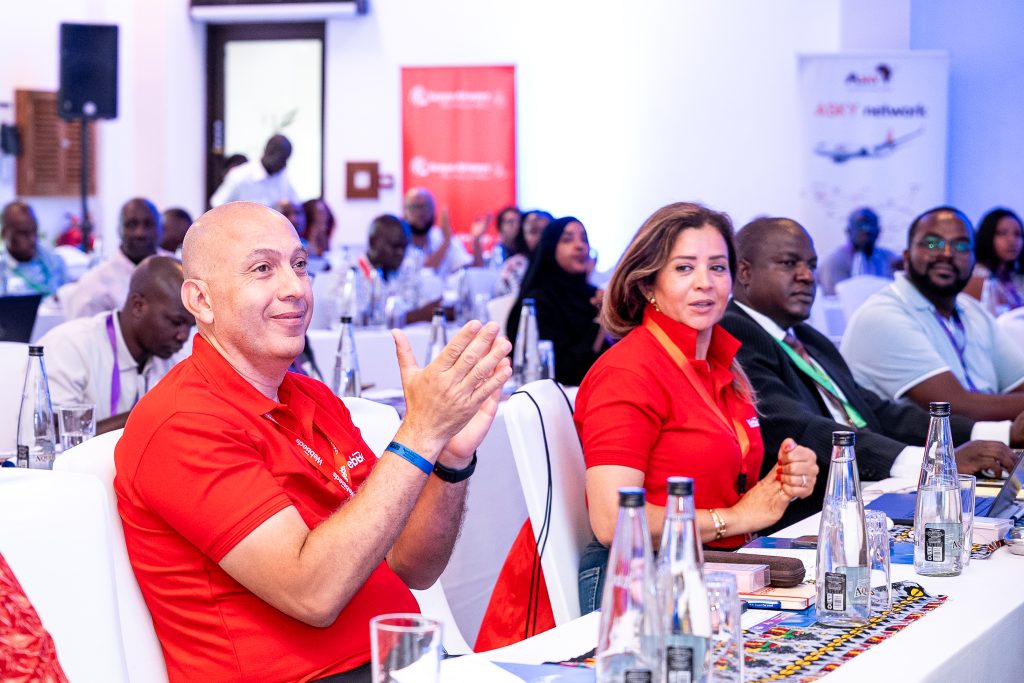
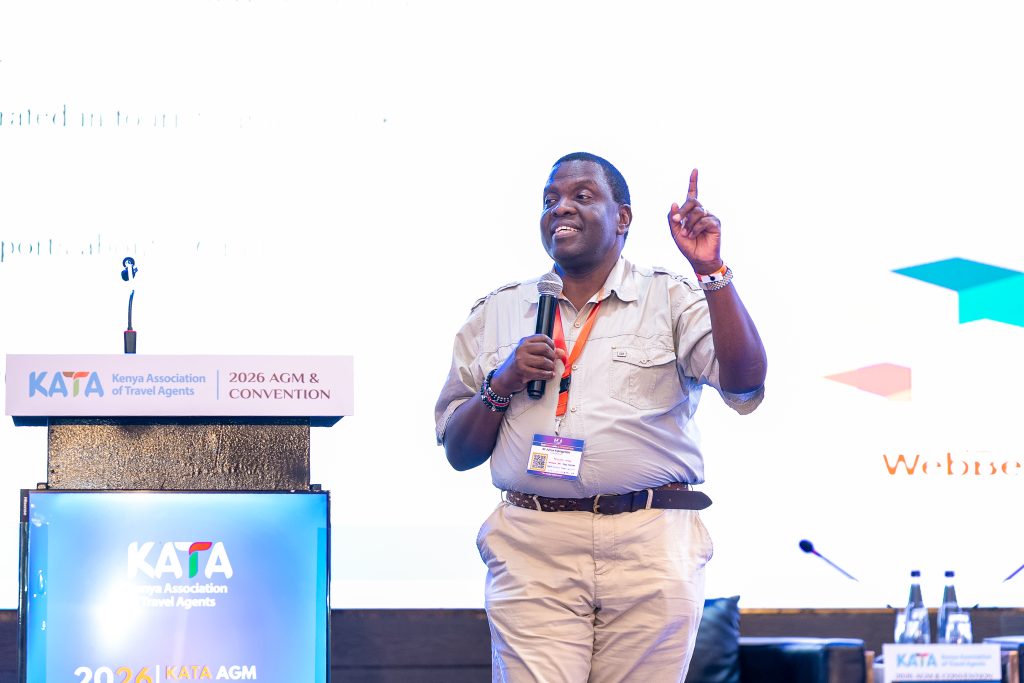
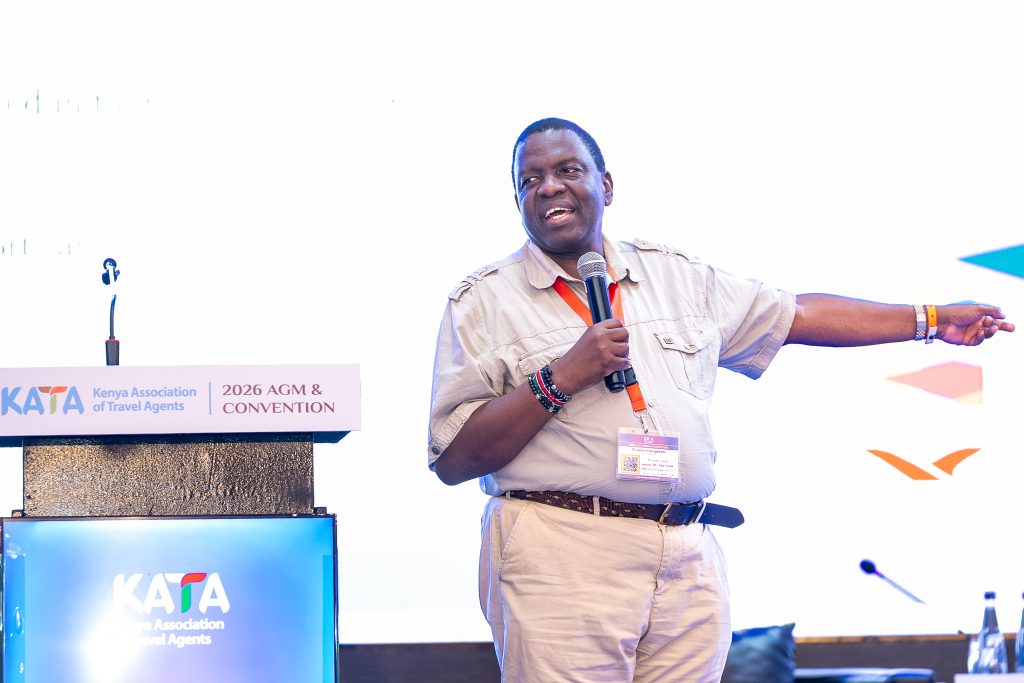
The ballroom at PrideInn Paradise Beach Resort & Spa fell into thoughtful silence on Friday 5th June 2026, as Dr. Julius Kipng’etich took the stage. Speaking to more than 350 delegates gathered for the Kenya Association of Travel Agents (KATA) AGM & Convention in Mombasa, the Group CEO of Jubilee Holdings delivered a keynote that was less about tourism statistics and more about the kind of leadership required to build institutions that outlive their founders.

Under the convention theme, “The Journey: Build to Last,” his message was clear: Kenya’s tourism industry has immense potential, but potential alone is not a strategy.

“We’re not ready. We have modest ambitions,” he observed. “Firm. True. Factual. But reassuring. Let’s be more ambitious.”

It was a challenge directed not only at travel agents, but at the entire tourism ecosystem. Great industries, like great institutions, are built on clear ambitions, through collaboration, shared purpose and collective ambition.

He urged delegates to rethink Kenya’s place in the global tourism marketplace. While destinations around the world have successfully defined and communicated a clear identity, Kenya’s proposition remains blurred.

“What’s the selling point for France tourism? Romance. Architecture. Good food and wine,” he said. “Kenya can sell romance.”

The room responded with curiosity, but the point was deeper than the example itself. Countries that succeed in tourism understand exactly who they are and what they stand for. Kenya, he argued, must do the same.

“We need to define ourselves much more clearly. Our travellers don’t understand us. They don’t know if Kenya is a high-end or low-end destination.”

At a time when Kenya welcomes approximately 2.7 million visitors annually, Dr. Kipng’etich believes the country is thinking far too small.

“We need to redefine ourselves as an industry. We are receiving 2.7 million tourists. We have to define who we want and where. 2.7 million tourists is too little for Kenya.”

His vision is bold.

“If we don’t do 10 million tourists by 2035, we would have let Kenyans down.”

The challenge was not merely about increasing arrivals. It was about transforming tourism into a force capable of creating jobs, driving investment and providing opportunities for Kenya’s young population.

“Tourism is a solution to many of the vices affecting young people,” he noted.

That future, he insisted, belongs to Africa.

“I want you to be a bit bolder, scared. The future of tourism is here in Africa.”

He questioned whether the industry is keeping pace with the demographic realities shaping tomorrow’s traveller.

“How can the industry be thinking old yet the average traveller in Kenya is 19 years old?”

His call was for a sector that embraces innovation, technology and new consumer expectations instead of relying on models that worked decades ago.

The answer, according to Dr. Kipng’etich, lies in reimagining the tourism product itself.

While Kenya’s beaches and wildlife remain world-class assets, he challenged stakeholders to think beyond traditional offerings.

“In Mombasa we can sell the beach and Tsavo. What is lacking is ambition.”

He advocated for diversification into adjacent sectors such as agritourism.

“We need to build tourism around agriculture. This connects ecosystems that are disconnected.”

The proposal reflected a broader belief that tourism should be integrated into the wider economy, creating value chains that benefit communities, farmers, entrepreneurs and destinations alike.

Yet perhaps the most powerful section of his keynote focused on leadership itself.

“Great institutions are not built by charisma alone. They are built by values, systems, people and disciplined leadership.”

For delegates gathered under the banner of Build to Last, the statement became a guiding principle for what followed.

Drawing from his own leadership experience, Dr. Kipng’etich outlined four pillars for building lasting businesses and institutions.

The first was purpose before profit.

“Purpose before profit,” he emphasized, urging leaders to be courageous and relentlessly focused on customer experience.

The second was values.

Values are the foundation,” he said, explaining that businesses strengthen the character of their products and services by anchoring them in principles that customers can trust.

The third pillar was systems.

Building strong systems,” he noted, is what separates organisations that survive from those that endure.

For him, systems are the procedures, structures and seamless connections that create consistency for customers and continuity for future generations.

“Systems become a legacy.”

The fourth pillar was governance and accountability.

Entire systems must be accountable,” he said. “If you have a good character, a good reputation will come. That’s how we will have 10 million tourists.”

He described accountability not as a compliance exercise, but as a culture that reinforces trust across the tourism ecosystem.

Equally important were people.

People and culture are the cornerstone of the tourism industry.”

In an industry built on service, experiences and human interaction, investing in people remains one of the most enduring competitive advantages.

Throughout his address, Dr. Kipng’etich drew inspiration from notable African voices.

Quoting the late Nobel Laureate Wangari Maathai, he reminded delegates that transformational change often begins with individual action.

“It’s the little things citizens do. That’s what will make the difference. My little thing is planting trees.”

He also referenced Academy Award-winning actress Lupita Nyong’o’s famous words:

“No matter where you are from, your dreams are valid.”

The message resonated with the broader conversation about Kenya’s tourism future. Ambitious goals are only impossible until a sector collectively decides they are achievable.

As he brought his keynote to a close, Dr. Kipng’etich returned to the essence of leadership and legacy.

“The true measure of leadership is not what we achieve during our tenure, but what continues to flourish long after we are gone.”

It was a fitting conclusion for a convention dedicated to building institutions that endure.

For the more than 350 travel professionals gathered in Mombasa, the keynote served as both a challenge and an invitation: to think bigger, collaborate more intentionally, redefine Kenya’s value proposition, diversify tourism products, and build businesses rooted in purpose, values, systems, people and accountability.

Because if Kenya is to realise the vision of 10 million visitors by 2035, it will require more than optimism.

It will require ambition.

And, as Dr. Kipng’etich reminded the industry, ambition is ultimately a choice.