
Air travellers in Kenya are beginning to feel the impact of a new wave of airfare increases as airlines locally and globally respond to sharply rising jet fuel costs and broader geopolitical tensions that have disrupted energy markets. Analysts say aviation fuel prices have surged in recent weeks due to instability in the Middle East, forcing airlines to introduce fuel surcharges, raise ticket prices, or reduce flight capacity to remain financially viable.
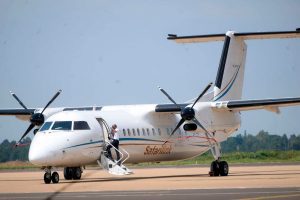
In Kenya, one of the clearest examples is Skyward Express, which has notified passengers of a fare adjustment that takes effect on April 1, 2026. The airline announced that a fuel surcharge will be applied to all tickets, citing sustained increases in international fuel prices that have significantly raised the cost of operating flights. In a passenger advisory, the airline said: “Effective April 1, 2026, a fuel surcharge will be applied to all Skyward Airlines ticket prices.” The carrier added that the aviation industry is facing mounting pressure from global fuel markets, noting that imported aviation fuel forms a substantial share of airline operating costs.
Skyward further explained that the decision was necessary to maintain operational sustainability. “The aviation industry continues to navigate the impact of rising global fuel costs… As internationally imported fuel represents a substantial portion of our operating costs for each flight, these conditions have required us to take deliberate steps to ensure we can maintain a sustainable and reliable service,” the airline said in its statement.
Kenya’s aviation sector is particularly vulnerable to such price shocks because the country imports all of its aviation fuel, much of it sourced from the Middle East. As a result, disruptions in global energy supply chains quickly translate into higher operating costs for airlines serving domestic and regional routes. Industry analysts estimate that aviation fuel can account for roughly a quarter to a third of airline operating costs, making it one of the most sensitive variables affecting ticket pricing.
The trend is not limited to Kenya. Airlines around the world have begun adjusting fares and introducing fuel surcharges as jet fuel prices surge. According to global aviation reports, the average price of jet fuel has nearly doubled in recent weeks, reaching about $197 per barrel as geopolitical tensions disrupted supply routes and pushed crude oil prices higher.
International carriers have already implemented a range of measures. Hong Kong-based Cathay Pacific recently announced a 34 percent increase in fuel surcharges across its network starting April 1, warning that the airline would continue reviewing the charges regularly depending on fuel market conditions.
Other airlines have also raised ticket prices. Scandinavian carrier SAS has increased fares and cancelled hundreds of flights due to high fuel costs, while Thai Airways has raised ticket prices by between 10 and 15 percent to offset rising operational expenses.
In the United States, United Airlines has warned that fares could climb significantly if oil prices remain elevated. Chief executive Scott Kirby said ticket prices could increase by as much as 20 percent if current fuel market trends continue, describing the surge in oil prices as a “stress event” for the aviation industry.
Airlines in other markets have taken similar steps. Air France‑KLM has added surcharges to long-haul tickets, while Air New Zealand and Qantas have also adjusted fares and schedules to reflect higher fuel costs and operational uncertainty.
Aviation experts say the combination of rising fuel costs and geopolitical tensions is likely to keep pressure on airfares in the near term. When fuel prices rise rapidly, airlines typically have limited options: absorb the cost and risk losses, reduce flight frequencies, or pass part of the expense to passengers through higher fares or surcharges.
For Kenya’s travel market, the fare increases could affect both domestic and regional travel demand, particularly among price-sensitive leisure travellers. However, airlines argue that such adjustments are necessary to maintain operations and ensure network stability at a time when the global aviation industry is facing some of its most volatile fuel markets in years.
Industry observers say that if fuel prices remain elevated, more airlines in Kenya and across Africa could follow with similar fare adjustments in the coming months as they seek to balance rising operating costs with sustained travel demand.