
For generations, Mombasa has been synonymous with white sandy beaches, Swahili culture and coastal leisure. But a quiet transformation is taking place—one that is positioning Kenya’s second-largest city as an emerging hub for business events alongside its traditional holiday appeal.
The Meetings, Incentives, Conferences and Exhibitions (MICE) segment is increasingly becoming a key driver of tourism at the Coast, helping hotels, airlines, transport providers and local businesses attract visitors throughout the year rather than relying solely on peak holiday seasons.
Unlike leisure tourism, which is often concentrated around school holidays and festive periods, business events generate consistent visitor traffic. Conference delegates typically book hotels, dine in restaurants, use local transport, visit attractions and often extend their stays to experience the destination, creating wider economic benefits across the tourism value chain.
Mombasa’s growing appeal as a business events destination has been supported by improved infrastructure, including the expansion of Moi International Airport, better road connectivity and the Standard Gauge Railway, making it easier for both domestic and international delegates to access the city. At the same time, investments in conference facilities and hospitality services have strengthened the city’s ability to host large regional and international meetings.
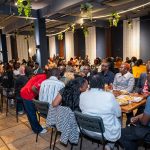
The shift is already becoming visible through a growing calendar of conferences, trade exhibitions and industry forums choosing Mombasa as their preferred venue. In June, for example, the Kenya Association of Travel Agents (KATA) held its 2026 Annual General Meeting and Convention in the city, attracting hundreds of delegates and more than 30 exhibitors. The event demonstrated how conferences generate business opportunities not only for hotels but also for airlines, tour operators, technology providers, destination marketers, transport companies and numerous local suppliers.
Exhibitions have become an equally important component of the business events ecosystem. They provide companies with opportunities to showcase products, launch new services, meet potential clients and strengthen partnerships while creating additional visitor spending beyond the conference venue.
The rise of “bleisure” travel—where business travellers combine work with leisure—is further enhancing Mombasa’s competitiveness. Delegates attending meetings are increasingly extending their visits to explore attractions such as Fort Jesus, Old Town, Haller Park, the city’s beaches and marine parks, spreading tourism spending across the wider local economy.
For the hospitality sector, this diversification offers greater stability. Rather than depending almost entirely on seasonal holidaymakers, hotels can maintain healthier occupancy levels throughout the year by serving conferences, exhibitions and corporate meetings. This supports employment, encourages continued investment and strengthens the resilience of the tourism industry.
The benefits extend well beyond accommodation providers. Event organisers, caterers, transport companies, audiovisual firms, tour guides, artisans and small businesses all participate in the supply chain that supports business events, ensuring that the economic impact is distributed across multiple sectors.
As Kenya seeks to position itself as a leading tourism and business destination in Africa, Mombasa’s evolving role in the MICE industry presents a significant opportunity. By combining world-class leisure attractions with modern conference facilities and improving connectivity, the coastal city is demonstrating that its future tourism growth will be driven not only by holidaymakers, but also by the business travellers, exhibitions and international conferences that increasingly see Mombasa as the ideal place to meet.