

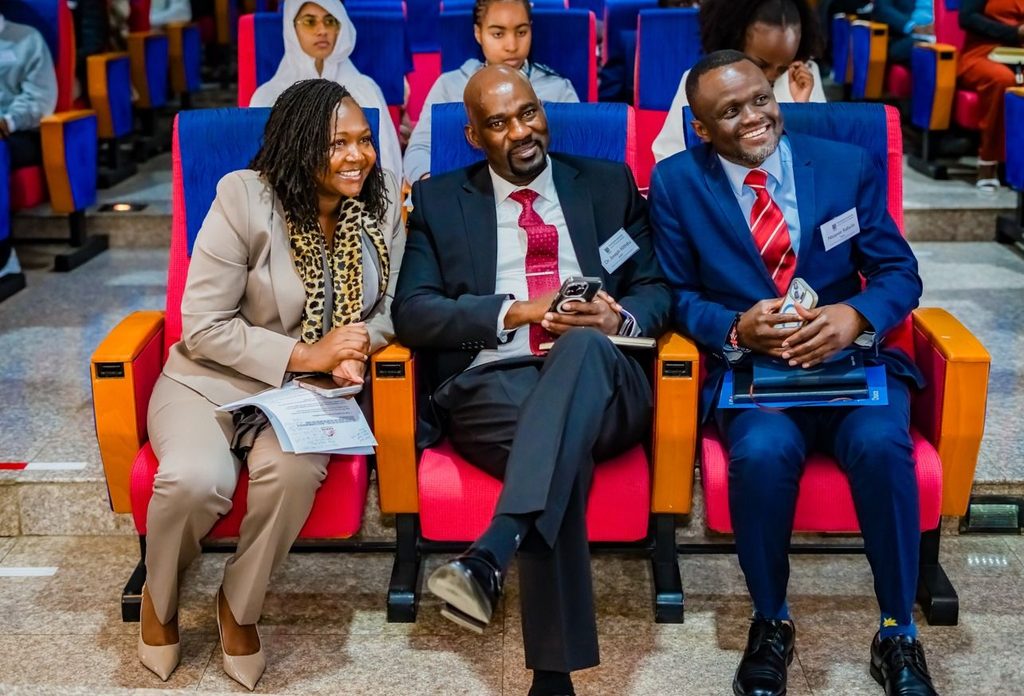
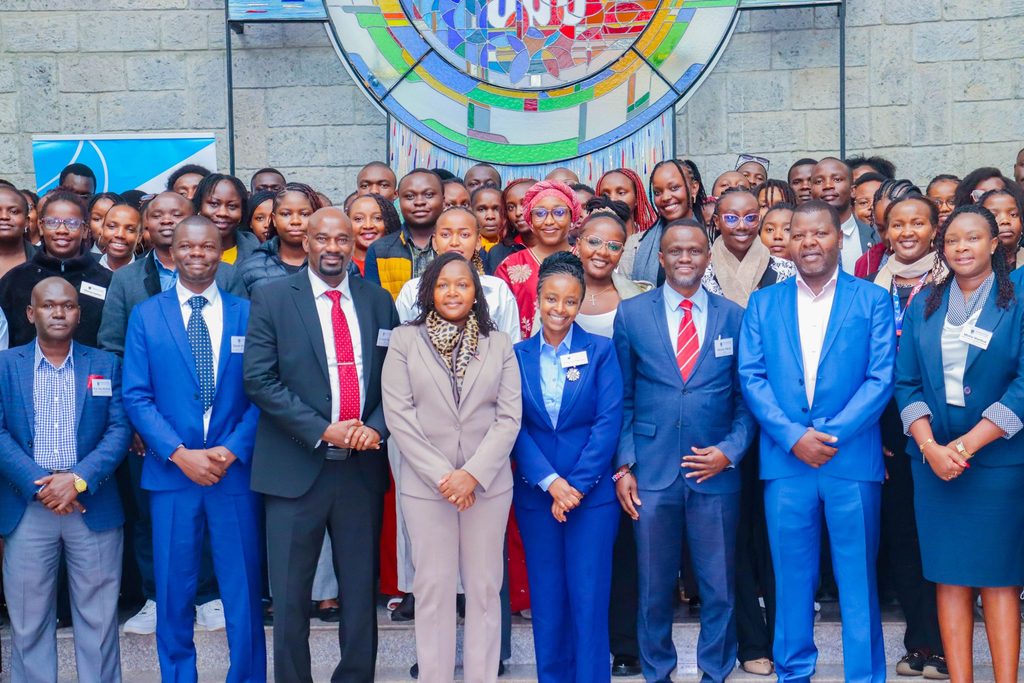
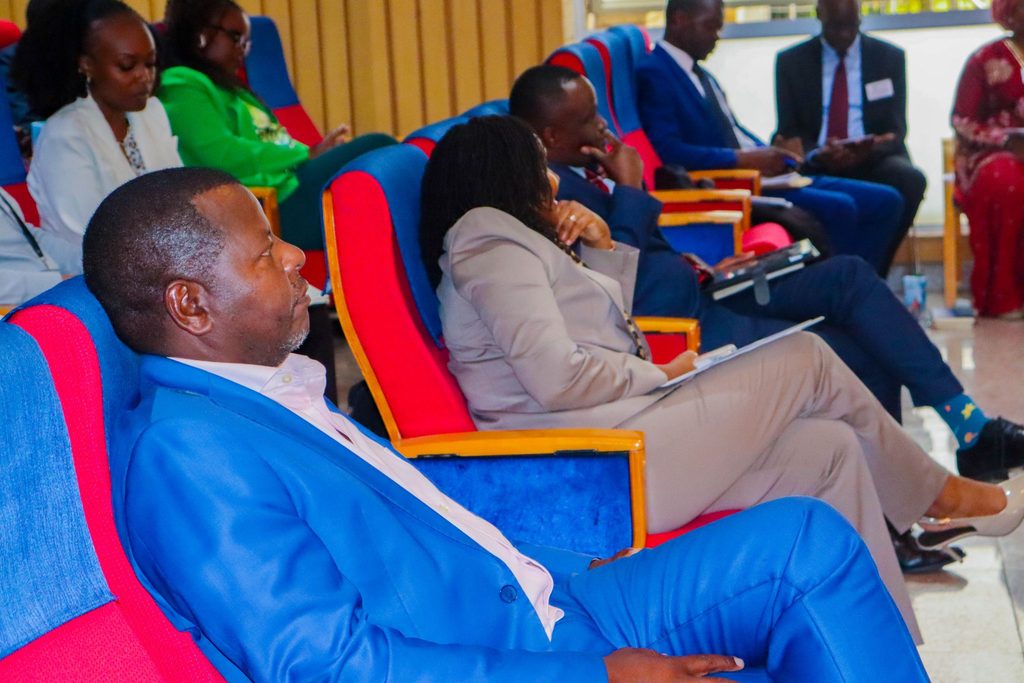
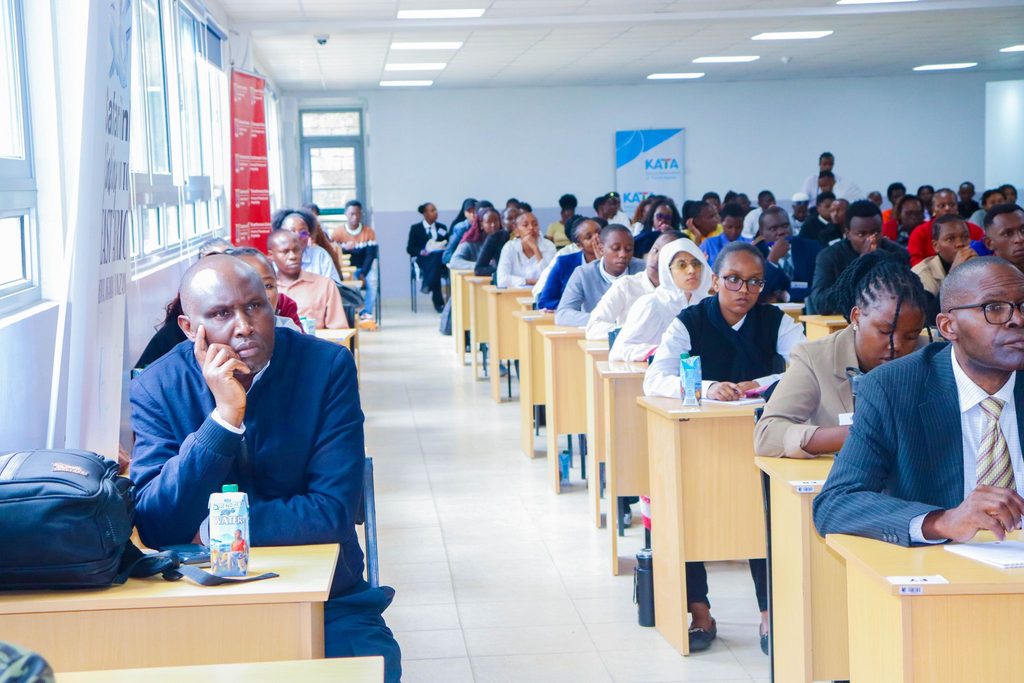
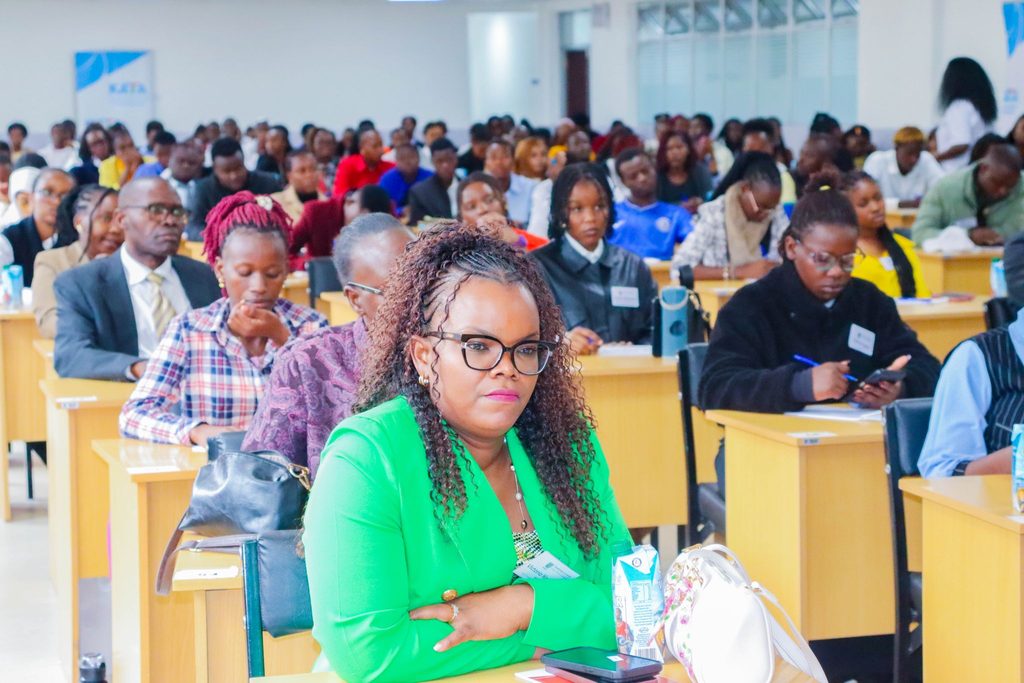
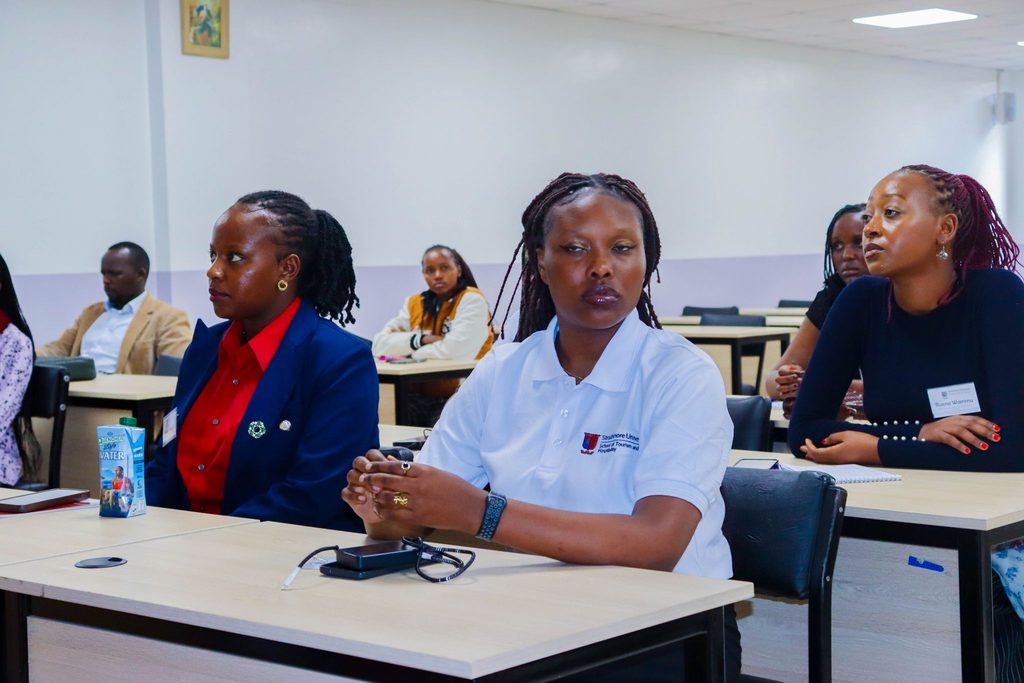
More than 170 students from 20 learning institutions gathered at Strathmore University for the second Kenya Travel and Tourism Students Symposium, as industry leaders called for closer collaboration between employers and educators to prepare graduates for a sector being reshaped by artificial intelligence, digital distribution and changing traveller expectations.
The symposium, organised by the Kenya Association of Travel Agents (KATA) in partnership with Strathmore University’s School of Tourism and Hospitality, brought together industry practitioners, academics and students to discuss employability, mentorship, technology and the skills needed to build careers in travel, tourism and aviation.
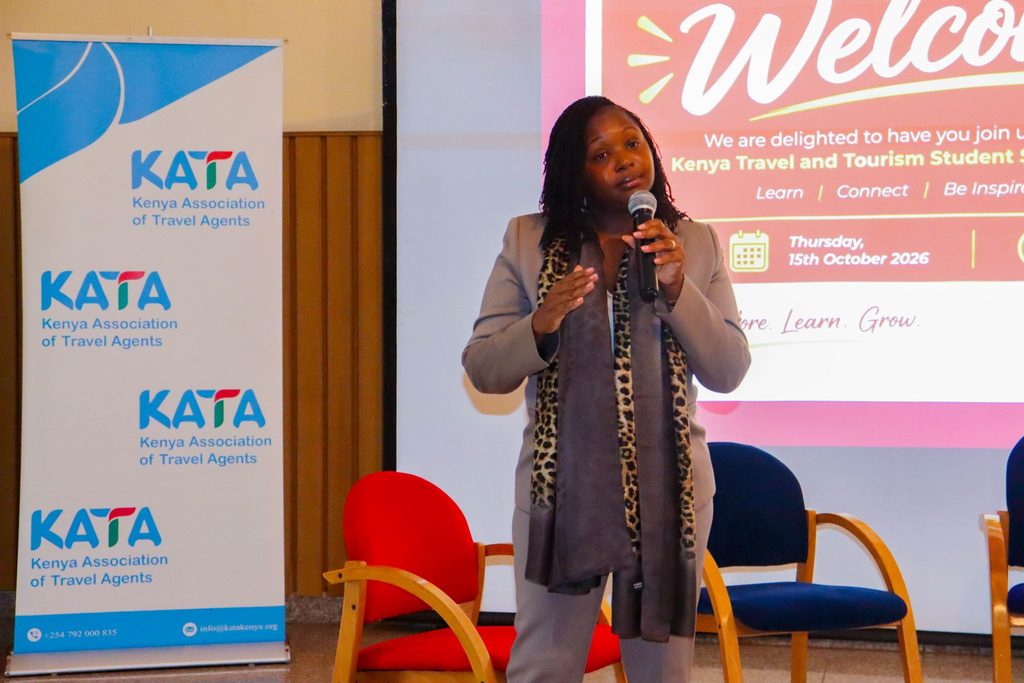
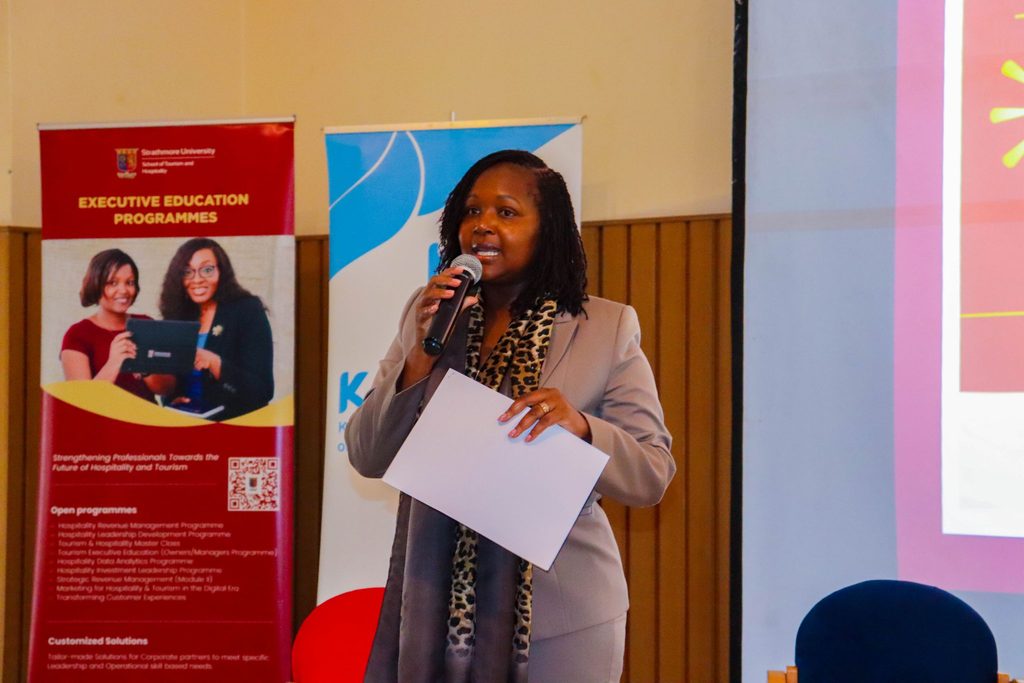
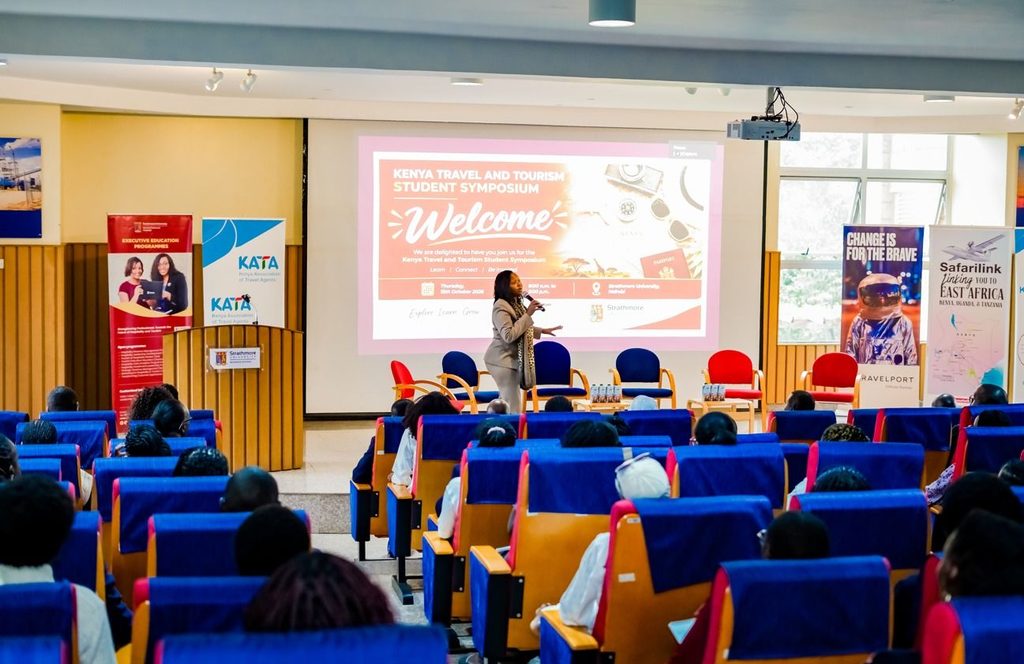
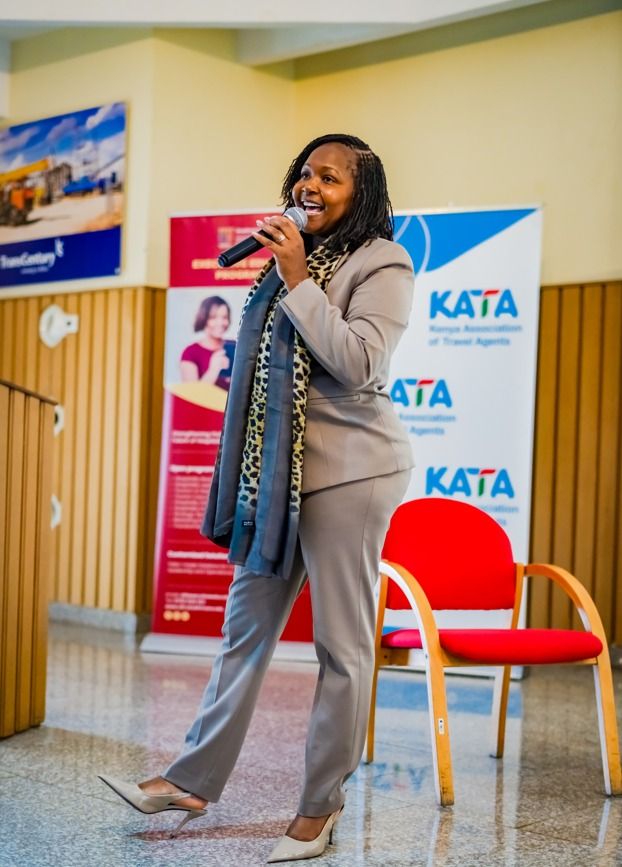
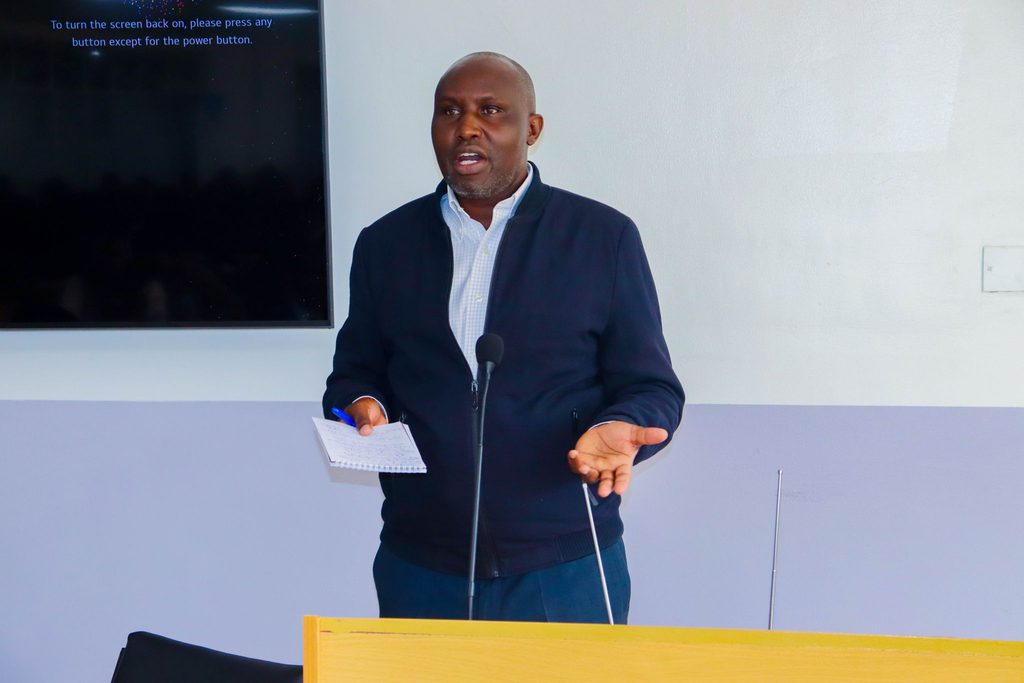
Kenya Tourism Board (KTB) chief executive June Chepkemei challenged students to embrace career paths that may be unpredictable, drawing on her own experience of moving from small-scale business to journalism, telecommunications, technology and investment promotion before leading the country’s destination-marketing agency.
“Success is a moving target,” she told students, reflecting on the setbacks and opportunities that shaped her professional journey.
Chepkemei recalled balancing college with running a grocery business in Kibera, making early-morning trips to Gikomba to buy vegetables before returning to serve customers. The business collapsed after she left for an internship. She later bought shirts in Eastleigh to resell before securing a journalism internship, where asking questions and showing initiative opened further opportunities.
Her message was that careers rarely follow a straight line. Young professionals must remain willing to learn, adapt and recognise opportunities in experiences that may not initially appear connected to their ambitions.
Beyond individual career development, Chepkemei challenged the tourism industry to invest in young people as future entrepreneurs, innovators and professionals. She identified mentorship, practical training, digital skills, access to finance and markets, and opportunities to participate in leadership as important links between talent and economic opportunity.
She argued that destination marketing must go hand in hand with developing the people who create tourism products, deliver visitor experiences and tell Kenya’s story to international markets.
The message placed the symposium within a broader industry question: how can tourism education prepare graduates not only for existing jobs, but also for roles and businesses emerging as technology changes how travel is marketed, sold and experienced?
KATA chairman calls for practical industry exposure
KATA chairman Dr Joseph Kithitu urged students to take responsibility for acquiring the knowledge and experience needed to enter the industry.
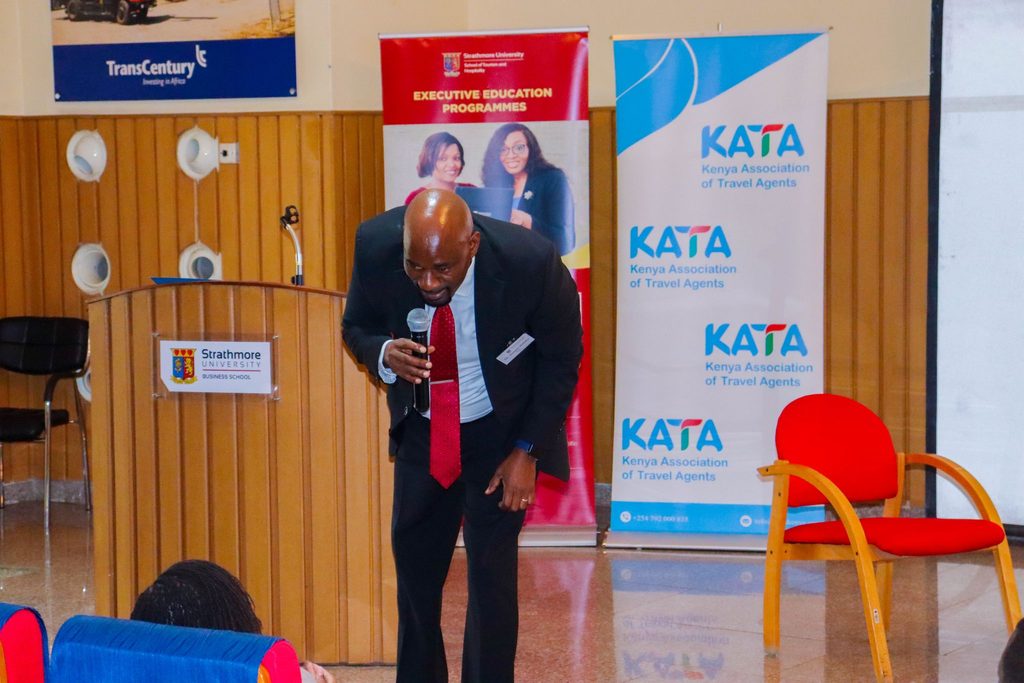
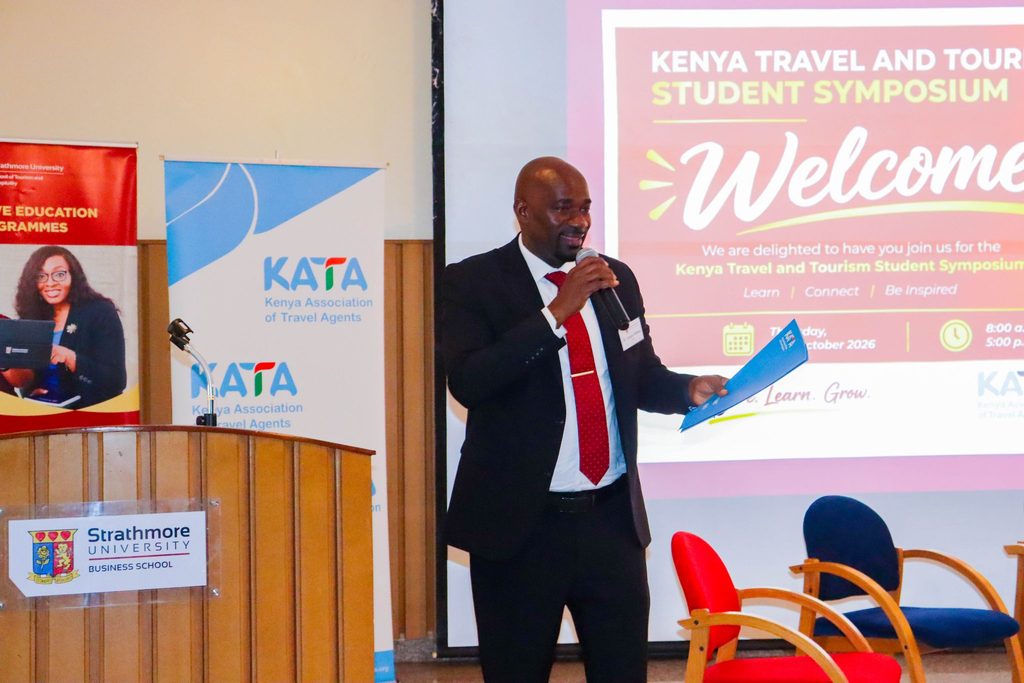
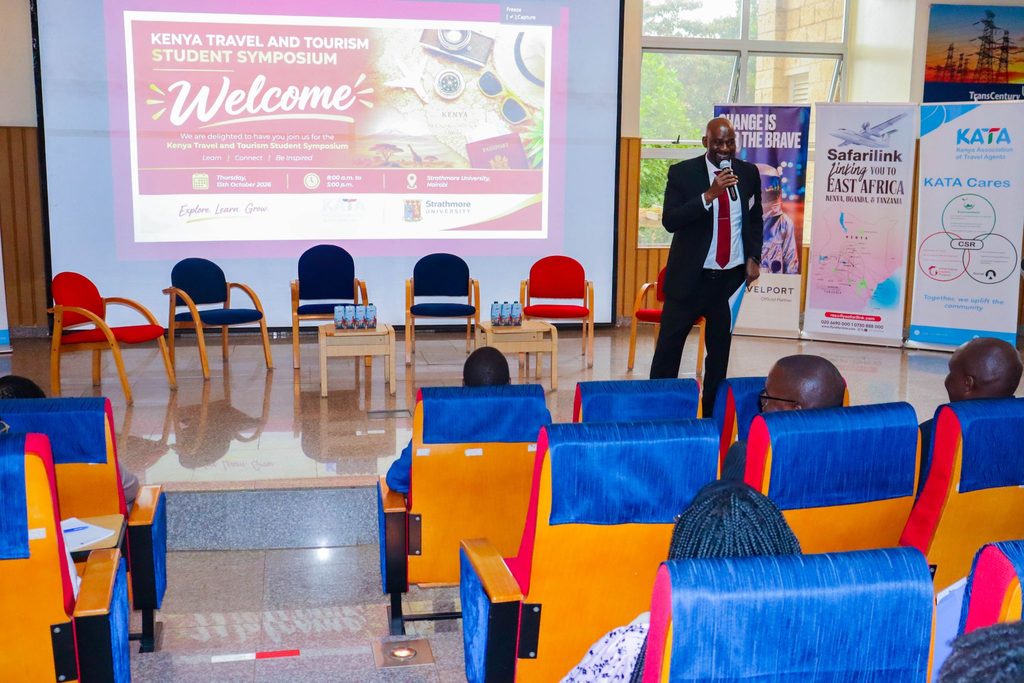
“There are many doors in life, and there are many keys. You need the right key for the right door,” he said.
His advice went beyond academic preparation. Students should experience the products and services they may eventually be expected to sell, manage or promote, including hotels, airlines and other tourism businesses.
“Walk into a five-star hotel. Buy a cappuccino. Experience the environment. Pay your 600 shillings, come out painfully but happily,” he said, using humour to illustrate the importance of understanding the customer experience firsthand.
For Kithitu, succeeding in travel and tourism requires passion, exposure and the ability to solve problems. The industry needs people who understand its products and customers, rather than graduates who rely solely on their academic qualifications.
That challenge is becoming more significant as travel distribution changes and technology takes on a greater role in searching, comparing and booking travel. Graduates entering the agency business must understand both the systems used to sell travel and the human relationships that underpin customer service.
Travelport and Safarilink bring industry experience into the classroom
The symposium’s partnerships with Travelport and Safarilink Aviation provided students with direct exposure to two important parts of the travel ecosystem: distribution technology and airline operations.

Travelport, the event’s travel technology partner, highlighted initiatives aimed at connecting classroom learning with the systems used in the workplace.
Isaac Mukuru of Travelport outlined the company’s Training of Trainers programmes with Kenya Utalii College, donations of computers to learning institutions and access to self-paced training courses.
These initiatives give students and educators opportunities to develop familiarity with the technology underpinning travel reservations and distribution. They also illustrate how industry suppliers can help training institutions keep pace with changing workplace requirements.
As airlines and other suppliers evolve their distribution strategies, understanding reservation systems and travel technology is an increasingly important component of professional preparation. Closer engagement between technology providers and educators can help students gain practical exposure before entering employment.
Safarilink Aviation brought the perspective of an operating airline, broadening students’ understanding of the careers available in aviation.
Capt. Ryan Gitonga Kithinji, the airline’s Training Captain and Designated Check Pilot, encouraged students to remain versatile, develop their skills continuously and demonstrate the value they can bring to an organisation.
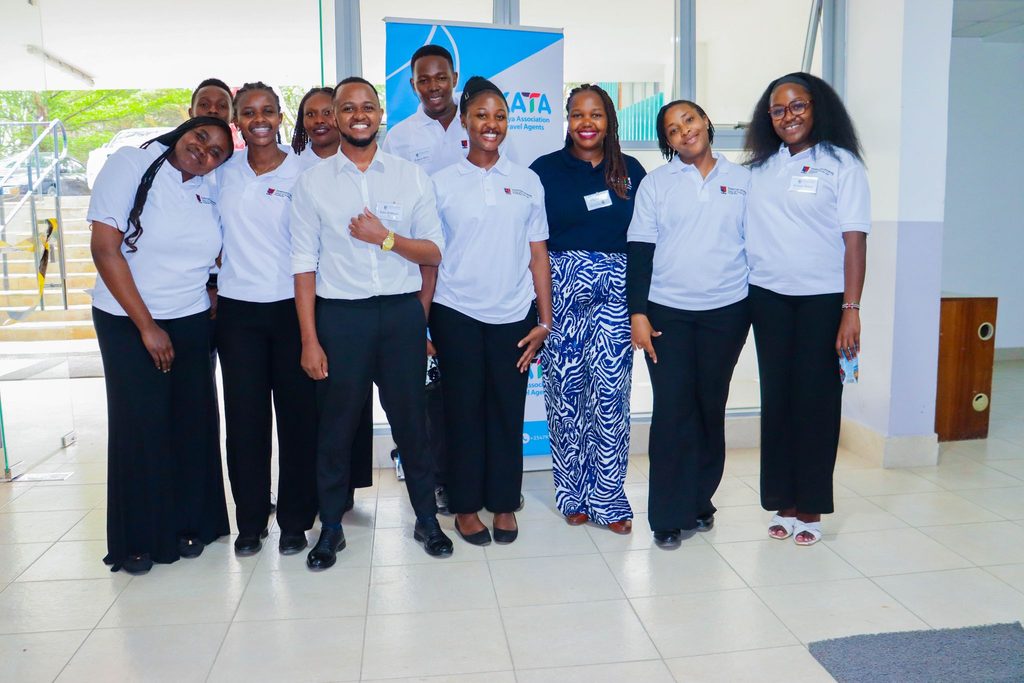
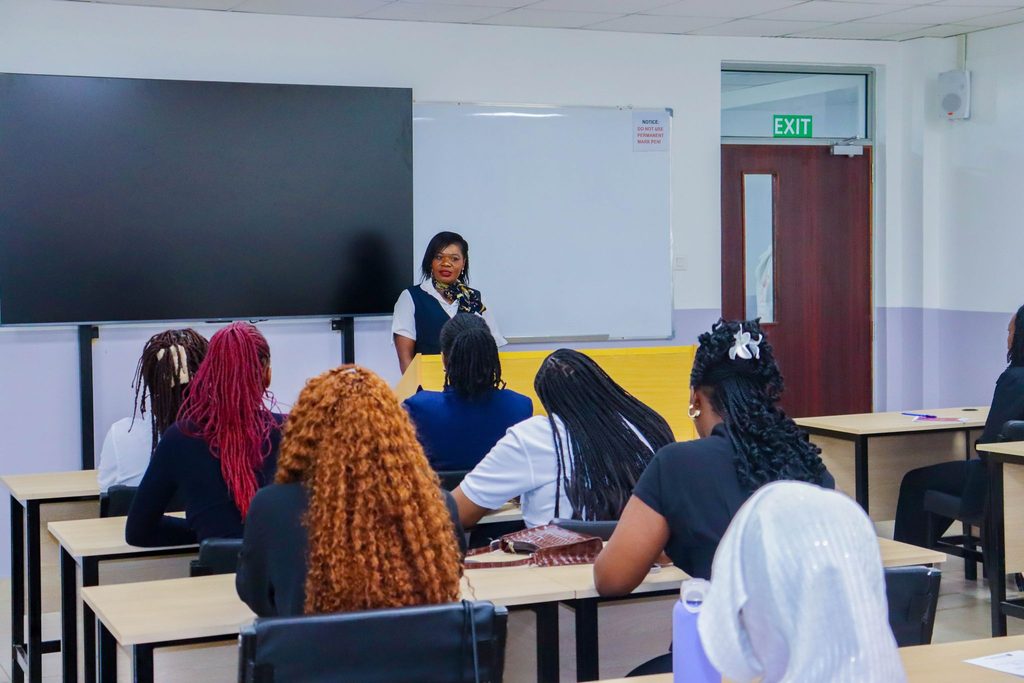
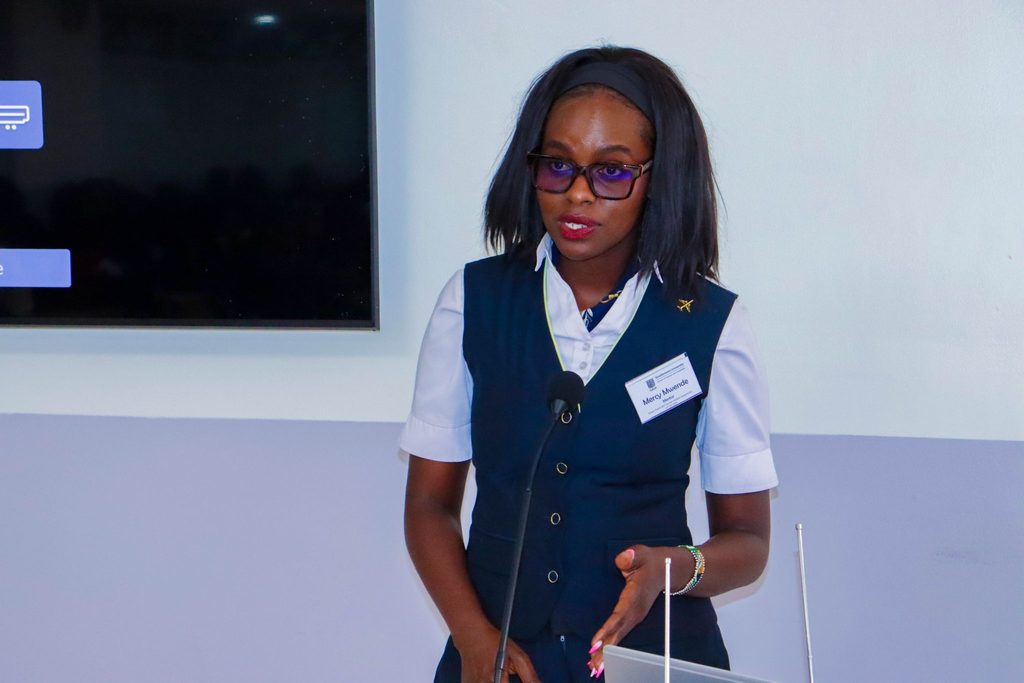

The Safarilink team highlighted career opportunities extending beyond the cockpit to flight operations, customer service, marketing and commercial functions. The airline also pointed to its internship and industrial attachment opportunities as routes through which young people can gain practical experience.
The distinction matters for students considering aviation careers, where an airline depends on a range of operational, technical and commercial functions to deliver its services.
For KATA, the participation of Travelport and Safarilink demonstrates the value of bringing employers and industry partners into conversations about training, rather than leaving students to discover workplace expectations only after graduation.
AI raises questions about tourism education
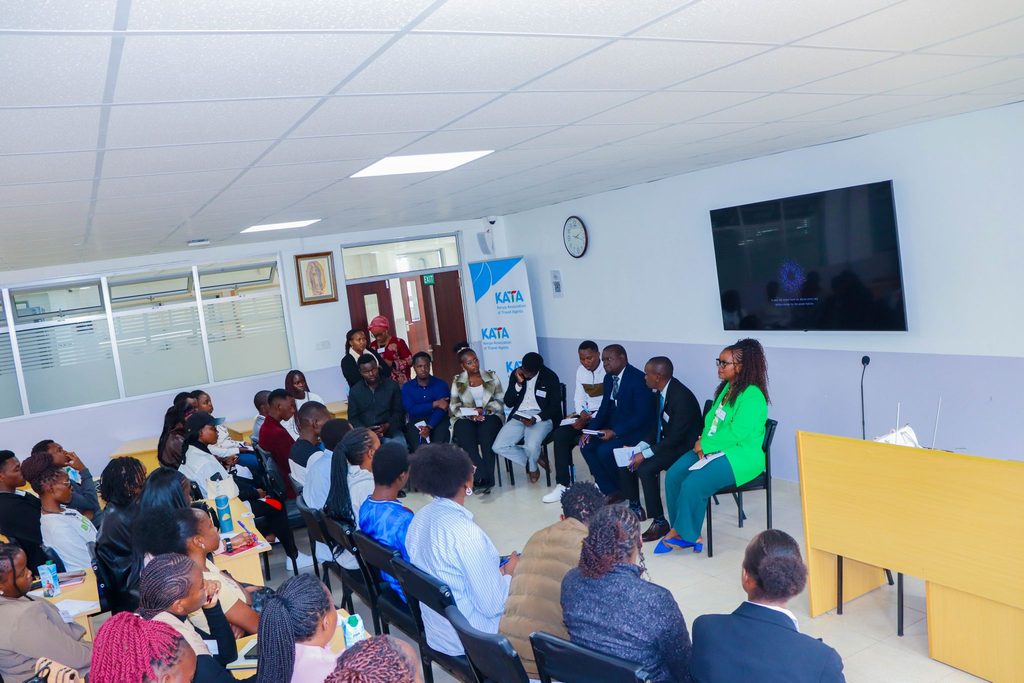
Technology and employability were also central to a panel discussion titled Educating for a Job Market That Won’t Exist: The Crisis in Tourism Training.
The discussion examined the skills and attitudes graduates will need as artificial intelligence automates some tasks and changes how travel services are delivered.
Kithitu urged students to look beyond technology and recognise the enduring importance of human connection, critical thinking and problem-solving.
Dr Moses Muraya, chairman of the Department of Tourism at Maasai Mara University, noted that employers sometimes recruit graduates from disciplines outside tourism, including law, marketing and communications. As businesses evolve, he said, diverse competencies and attitude can distinguish candidates beyond their academic qualifications.
Ella Karani, a lecturer at the Air Travel & Related Studies Centre, emphasised the continuing importance of human interaction and mentorship in helping young professionals identify and strengthen their abilities.
Prof. Ray Mutinda, associate professor of Tourism Planning and Development at Murang’a University of Technology, highlighted the role of personal connection in shaping customer experiences.
The discussion was moderated by Dr Fredrick N. Oduori, Research Director at Strathmore University’s School of Tourism and Hospitality.
The panel’s central message was that technology should support professional judgement and service delivery, not displace the human capabilities on which tourism businesses depend.
Employers want more than qualifications
The question of what makes a graduate employable was addressed by Mbithe Wambua, Human Resource Director at Serena Hotels.
Wambua challenged students to think of themselves as future industry leaders and to develop the curiosity, initiative and willingness to learn that employers seek alongside formal qualifications.
She gave students a 30-day challenge: learn one digital tool relevant to travel and tourism, build a project they can confidently present, and keep up with developments in the industry.
The challenge offered a practical way for students to demonstrate their capabilities beyond their academic records.
For employers, such evidence can help establish whether a candidate can apply knowledge, learn new systems and respond to workplace demands. For students, it provides a way to build experience and demonstrate initiative before entering the job market.
Turning education into industry opportunity
The symposium brought together students from institutions including Strathmore University, Kenya Utalii College, the University of Nairobi, KCA University, Maasai Mara University and Gretsa University, creating a platform for engagement between emerging professionals and industry practitioners.
Its significance lies in the connections it seeks to establish between training and the commercial realities of travel and tourism.
Travelport’s technology training initiatives, Safarilink’s aviation mentorship and internship opportunities, and the contributions of tourism educators and employers addressed different aspects of the same challenge: preparing graduates to apply their knowledge in a changing industry.
For KATA, stronger links between industry and academia can help narrow the gap between what students learn and what employers require. Such partnerships can also expose students to career paths and business opportunities that may not be apparent from classroom study alone.
Chepkemei’s message added a wider economic dimension to the discussion. Young people should be equipped not simply to seek jobs, but also to develop tourism products, create businesses and reach new markets.
As artificial intelligence and digital distribution reshape the travel sector, the value of tourism education will increasingly depend on its ability to combine technical competence with commercial awareness, adaptability and service skills.
The industry’s challenge is to make these connections continuous, giving students access to practical training, mentorship, and professional networks before they graduate.
Travelport and Safarilink Aviation supported the second Kenya Travel and Tourism Students Symposium, with Strathmore University’s School of Tourism and Hospitality as host partner.