Kenya Airways is adapting its regional operations as changing passenger expectations, visa liberalisation and growing intra-African travel reshape the continent’s aviation market. From local in-flight catering and digital loyalty programmes to aircraft deployment and flight scheduling, the airline is part of a wider shift towards making African travel more accessible and responsive to younger travellers.
For decades, intra-African travel faced restrictive air service agreements, expensive fares and complicated border procedures. However, initiatives such as the Single African Air Transport Market (SAATM) and the African Continental Free Trade Area (AfCFTA) are creating opportunities for stronger regional connectivity.
Visa Liberalisation Opens Regional Markets
Visa restrictions have historically discouraged travel between African countries. However, several governments are introducing visa-free arrangements and simplifying entry requirements.
Rwanda, Benin, The Gambia and Seychelles have adopted visa-free access for African passport holders. Kenya has also introduced an Electronic Travel Authorisation system and bilateral entry exemptions for selected markets.
These developments are relevant to younger travellers, entrepreneurs and professionals seeking access to regional business and cultural centres such as Nairobi, Lagos, Kigali, Accra and Johannesburg.
Kenya Airways has prioritised the Lagos–Nairobi corridor, connecting West Africa’s major commercial market with East Africa’s business hub. RwandAir and Ethiopian Airlines are similarly strengthening regional connectivity through their respective hubs in Kigali and Addis Ababa.
Local Food Becomes Part of the Passenger Experience
Kenya Airways is also using inflight catering to introduce passengers to the food culture of their destinations.
Through point-of-origin catering, the airline sources meals locally at selected outstations rather than transporting return catering from Nairobi. On Nigerian departures, passengers can experience regional dishes such as jollof rice and plantains.
The approach improves the connection between the passenger experience and local culinary identity while creating opportunities for airport caterers, food suppliers and agricultural producers.
Other carriers are pursuing similar strategies. Air Peace promotes Nigerian cuisine and hospitality, while South African Airways incorporates local dishes and wines into its onboard experience.
Aircraft and Passenger Experience
Aircraft deployment is another area shaping regional competition. Airlines are increasingly using widebody aircraft on busy African routes, bringing premium cabins and additional comfort to journeys previously dominated by narrowbody aircraft.
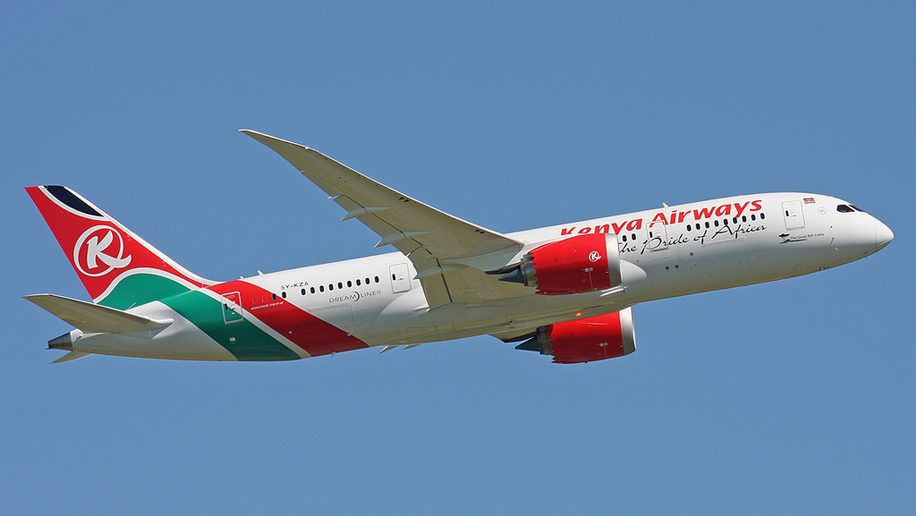
Kenya Airways deploys its Boeing 787-8 Dreamliner on the Lagos–Nairobi route, offering lie-flat Business Class seating and modern inflight entertainment. RwandAir also operates Airbus A330 aircraft on selected regional and international services.
Such deployments allow airlines to serve corporate travellers and connecting passengers while improving aircraft utilisation.
Digital Marketing and New Loyalty Models
Younger travellers are changing how airlines market their services. Social media, short-form videos and travel influencers are becoming important channels for promoting destinations and airline products.
Kenya Airways has worked with Nigerian lifestyle personalities, including Noble Igwe and Tania Omotayo, to showcase the Lagos–Nairobi travel experience and the lifestyle attractions of both cities.
The airline is also broadening its loyalty proposition beyond traditional flight-based rewards. Its Asante Global Card, developed with Absa Bank Kenya and Visa, allows customers to earn rewards through eligible retail and online transactions.
Ethiopian Airlines has adopted a similar approach through its partnership with Dashen Bank and Mastercard on a co-branded card linked to its ShebaMiles programme.
Scheduling for Greater Connectivity
Flight scheduling is another important part of the changing regional aviation model. Daytime services can accommodate business travellers and passengers connecting to long-haul flights, while overnight departures appeal to travellers seeking to maximise time at their destinations.
Kenya Airways’ Lagos–Nairobi operations illustrate the importance of serving different travel windows. Meanwhile, ASKY Airlines, working with Ethiopian Airlines, uses Lomé as a regional connecting hub linking West and Central African markets.
Better coordination of connecting flights can improve passenger convenience and aircraft utilisation, helping airlines generate more value from their fleets.
The Road Ahead
Despite these developments, high aviation taxes, fuel costs, ground-handling charges and regulatory barriers continue to make African air travel expensive.
The success of SAATM and other regional integration initiatives will depend on how effectively governments address these obstacles and translate policy commitments into practical market access.
For Kenya Airways, the opportunity extends beyond carrying passengers between African cities. Stronger regional connectivity can support tourism, trade, investment and cultural exchange while positioning the airline to serve a younger generation of travellers.
As passenger expectations evolve, the ability to combine accessible routes, relevant onboard experiences, digital services and convenient schedules will increasingly shape the future of African aviation.
Source: travelandtourworld.com