Event-driven travel, accessible tourism and artificial intelligence are emerging as important areas of opportunity for travel businesses, following discussions at WTM London 2026, where new research highlighted changing traveller preferences.
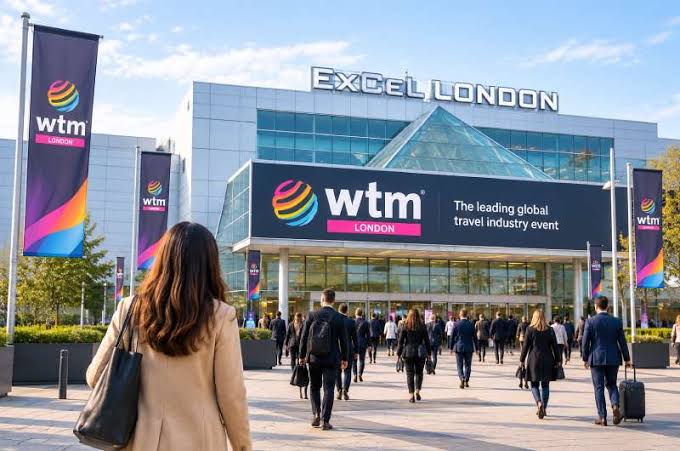
The event, held from 3 to 5 November at ExCeL London, opened with the launch of the WTM Global Travel Report, produced in association with Tourism Economics. The report found that 58 per cent of international travellers had travelled abroad specifically to attend an event in the previous two years.
The findings point to growing demand for travel built around concerts, sporting competitions, music festivals and cultural events, creating opportunities for travel agencies to develop packages beyond conventional accommodation and transport bookings.
Discussions highlighted how destinations are increasingly extending the visitor experience beyond major events. Philadelphia, for example, used free activities around the FIFA World Cup to attract visitors beyond match venues, while music festivals are generating international travel demand for destinations that some visitors would otherwise not consider.
For travel agents, this creates opportunities to combine flights, accommodation, event tickets and local experiences into complete itineraries, particularly around major sporting and entertainment calendars.
Accessibility Becomes a Commercial Consideration
Accessibility also featured prominently in the discussions, with Spain presenting its Spain for All strategy, including guidance to help hotels communicate their accessibility provisions.
The discussion reinforced the importance of making travel information more transparent, allowing customers to understand whether accommodation and destinations can meet their individual requirements.
For agencies, accurate information about accessible rooms, transport, attractions and facilities can become an important part of product selection and customer service.
AI Raises the Importance of Quality Data
Artificial intelligence was another major theme, with industry discussions highlighting the importance of accurate, connected data when deploying AI in travel businesses.
For travel agencies, AI offers opportunities to improve customer communication, support itinerary planning and streamline routine operations. However, its usefulness depends on the quality of the information available, including customer preferences, booking records and travel product details.
The discussions also highlighted how automation can allow employees to spend more time on complex customer needs and higher-value services.
The wider message from WTM London is that travel businesses will increasingly compete through the experiences they package, the accessibility information they provide and how effectively they use technology.
For travel agents, the opportunity lies in moving beyond selling individual travel components towards creating more personalised and experience-led journeys.
Source: wtm.com