African carriers are projected to handle 137.3 million passengers in 2026, yet high fuel prices, aviation taxes and millions of dollars in blocked airline funds continue to undermine the sector’s financial performance.
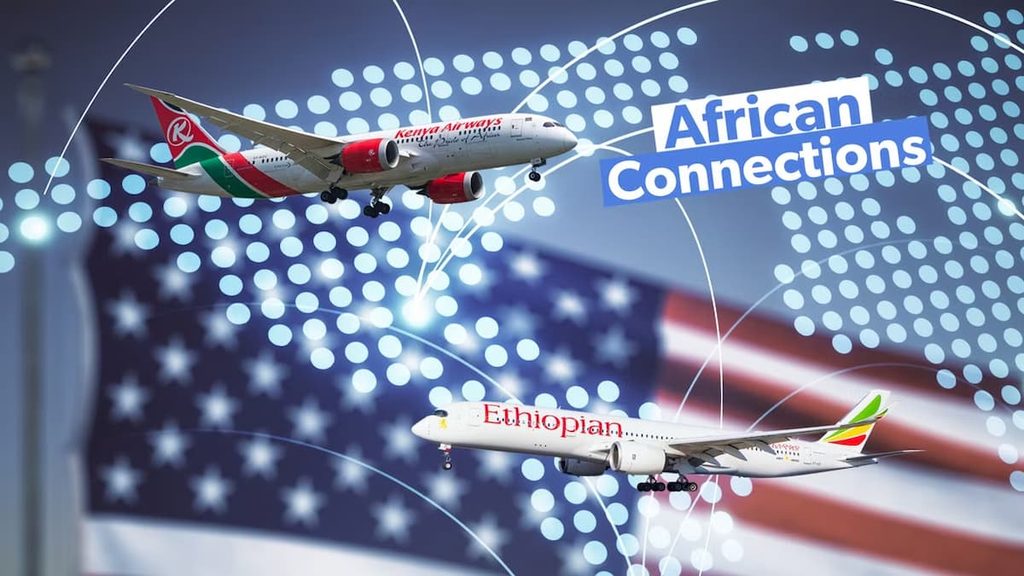
African aviation is experiencing its strongest passenger growth in years, but airlines are struggling to translate rising demand into sustainable profits.
According to the African Airlines Association (AFRAA), African airlines are forecast to carry 137.3 million passengers in 2026, representing a 21.5% increase from 2025 and the fastest growth among global regions.
However, the industry’s projected net profit stands at just US$100 million, equivalent to a narrow 0.2% profit margin or approximately US$0.40 per passenger. This is a decline from the estimated US$300 million profit recorded in 2025.
Presenting his annual report at AFRAA’s 58th Annual General Assembly in Libreville, Gabon, on 23 November, Secretary General Abderahmane Berthé called for urgent action by governments and industry stakeholders to address the structural challenges affecting African airlines.
Fuel costs and aviation charges remain a major burden
Fuel remains one of the biggest pressures on airline operating costs. AFRAA forecasts that jet fuel will average US$152 per barrel in 2026, approximately 70% higher than the 2025 average of US$90.
Fuel accounts for between 30% and 40% of African airlines’ operating costs, compared with a global average of 31.4%.
Passengers departing internationally from African countries also face an average of US$68 in taxes and fees, more than double the US$30 charged on comparable departures in Europe and the US$34 average in the Middle East.
AFRAA argues that these additional costs make air travel less affordable and constrain the growth of the continent’s aviation market.
US$275 million in airline funds remain blocked
The association also raised concerns over airline revenues trapped in several African markets.
Blocked airline funds increased from US$103.31 million across 13 markets in the first half of 2025 to US$275.42 million across 16 markets in the second half of the year.
One market alone accounts for US$120 million.
These funds are essential for airlines to meet operational requirements, including fuel payments, aircraft maintenance and fleet renewal. AFRAA is working with governments, the International Air Transport Association (IATA) and Afreximbank to address the issue and facilitate the release of the funds.
Visa restrictions continue to limit regional travel
Despite progress towards opening Africa’s aviation market, travel restrictions remain a significant obstacle to regional connectivity.
Thirty-eight African countries have joined the Single African Air Transport Market (SAATM), representing 78% of the continent’s population. However, only 28% of intra-African travel is currently visa-free for African citizens.
AFRAA is calling for stronger implementation of SAATM commitments and the African Union’s Free Movement Protocol to make cross-border travel easier and expand opportunities for trade, tourism and business.
AFRAA outlines priorities for 2027
Looking ahead, the association has identified several priorities aimed at improving safety, operational efficiency and cooperation among African airlines.
These include expanding Free Route Airspace initiatives into Eastern and Southern Africa from January 2027, strengthening safety data sharing, improving access to aircraft spare parts and advancing cooperation between African carriers.
Kenya has also been identified as the pilot market for AFRAA Xchange, a planned industry platform intended to support collaboration across the aviation sector.
For travel agents and other industry players, the figures highlight the gap between growing demand for air travel and the financial pressures facing airlines. High fuel costs, taxes and charges can feed into ticket prices, while blocked revenues and weak margins may constrain airlines’ ability to sustain or expand services.
The figures also reinforce the importance of continued industry advocacy for more affordable air travel, improved regional connectivity and the removal of barriers to movement across African markets.
Source: afraa.org