The Gambia, Mozambique diversify tourism offerings to attract new markets

African tourism destinations are expanding beyond traditional beach holidays and wildlife experiences, with The Gambia investing in ecotourism and community-based attractions while Mozambique positions itself as an emerging golf and luxury tourism destination.

The developments reflect growing efforts by destinations to diversify their tourism products, attract higher-value visitor segments and spread the economic benefits of tourism beyond established holiday centres.

In The Gambia, the government has unveiled a revised national tourism policy, six priority investment business cases and a new tourism marketing and branding strategy as part of efforts to strengthen the sector’s competitiveness.

The initiatives were officially launched on November 9, 2026, under the World Bank-supported Tourism Diversification and Resilience Project, which seeks to promote sustainable tourism, attract private investment and expand opportunities for local businesses.

Tourist arrivals in the West African country reached 233,113 in 2025, up from 224,472 in 2024, according to the World Bank’s June 2026 economic update, reflecting continued recovery in the sector.

The country’s diversification strategy seeks to encourage visitors to explore destinations beyond the traditional coastal tourism corridor around Banjul. Proposed opportunities include ecotourism, cultural festivals, gastronomy, river cruises and wildlife experiences.

The River Gambia has emerged as a key area for investment. A government assessment initially identified 29 potential jetty locations along the river before narrowing these down to 10 priority sites for development.

Plans include improving river transport infrastructure, developing day and overnight cruises, establishing marinas and strengthening nature-based tourism experiences around attractions such as Kiang West National Park.

The government is also seeking to increase the participation of small and medium-sized enterprises in tourism supply chains, allowing more local businesses and communities to benefit from visitor spending.

The World Bank-backed Tourism Diversification and Resilience Project has a financing envelope of $68 million, including $50 million allocated to infrastructure supporting tourism diversification and resilience, and $13 million for policy development and micro, small and medium-sized enterprise participation.

Meanwhile, Mozambique is pursuing a different approach by investing in golf tourism and high-end hospitality in the coastal province of Inhambane.

On November 7, President Daniel Chapo presided over the groundbreaking ceremony for a golf tourism development in Chigamane, in Vilankulo district. The project involves an investment exceeding $40 million and will occupy approximately 100 hectares.

The development will include an 18-hole golf course, accommodation facilities with a capacity of 100 rooms and 50 apartments, alongside leisure and hospitality services.

The project is intended to attract domestic and international visitors, including golfers and high-spending leisure travellers from markets such as South Africa, Zimbabwe, Tanzania and Zambia.

It also forms part of Mozambique’s wider ambition to establish Inhambane as a specialised golf tourism destination through a Special Golf Tourism Zone covering six districts: Vilankulo, Inhassoro, Massinga, Jangamo, Zavala and Govuro.

The government expects the development to stimulate investment in accommodation, transport, restaurants, construction and other tourism-related services while creating employment and training opportunities for local communities, particularly young people and women.

The two developments illustrate different approaches to tourism diversification, with The Gambia focusing on natural and cultural experiences while Mozambique is developing specialised leisure infrastructure to attract a higher-spending market.

For African travel businesses, the expansion of tourism products presents opportunities to develop more varied itineraries, target niche markets and encourage visitors to spend more time exploring destinations beyond their established attractions.

Sources: motc.gov.gm , presidencia.gov.mz
ECOWAS advances single visa plan targeting 383-million-person West African market

The Economic Community of West African States (ECOWAS) has moved closer to establishing a single regional visa system, in a development that could simplify travel across West Africa and create new opportunities for the continent’s tourism and business travel sectors.

The regional bloc conducted a technical review of its proposed ECOVISA digital portal in Dakar, Senegal, from November 10 to 12, bringing together immigration, foreign affairs, visa processing and information technology officials from member states.

The review examined a prototype of the proposed platform, including application procedures, administrative interfaces and its integration with national immigration, identity, border management and payment systems.

ECOWAS, which currently has 12 member states, represents a combined population of approximately 383 million people, based on 2025 World Bank population estimates. A common visa framework could make it easier for international visitors to combine several destinations within the region, opening up opportunities for tourism operators, airlines, hotels and conference organisers.

The proposed system is intended to allow eligible visitors from outside the regional bloc to obtain one visa for travel across participating West African countries, rather than applying separately for entry permits for each destination.

The initiative, however, is not a new policy proposal. ECOWAS has pursued the concept for more than a decade, with the framework receiving formal backing through a 2011 Supplementary Act on the adoption of ECOVISA.

The development builds on the bloc’s 1979 Protocol on Free Movement of Persons, Residence and Establishment, which provides for visa-free entry for ECOWAS citizens travelling within the community. However, visitors from outside the bloc have continued to face separate national visa requirements when travelling across multiple member states.

Implementation efforts gained further momentum in March 2025, when ECOWAS launched the second phase of its support project on free movement of persons and migration, which included the development of the ECOVISA portal.

The digital platform’s prototype has since been developed with support from TradeMark Africa, with the latest technical review providing member states an opportunity to assess its operational requirements and identify areas requiring further work.

The meeting produced a consolidated assessment of the prototype, with recommendations from member states and priority actions identified ahead of user acceptance testing and pilot implementation.

For travel businesses, the proposed arrangement could reduce the administrative burden of organising multi-country itineraries and improve the region’s appeal to international leisure and corporate travellers. It could also support regional tourism circuits linking destinations such as Senegal, Ghana, Côte d’Ivoire, Nigeria and The Gambia.

The initiative follows similar efforts elsewhere on the continent, including the East African Community’s Single Tourist Visa, which facilitates travel between Kenya, Rwanda and Uganda under one visa arrangement.

The success of the initiative will depend on how effectively member states harmonise their visa procedures, integrate immigration systems and establish common operational and security standards.

Source: ecowas.int

Kenya contains imported Ebola case as country moves towards disease-free status

Kenya has contained an imported Ebola outbreak without community transmission, with authorities confirming that all patients have recovered or been discharged and the country now entering a 42-day countdown towards an official declaration that it is free of the disease.

The outbreak originated from a Kenyan national who had been living in the Democratic Republic of Congo (DRC) and travelled through Uganda before arriving in Nairobi on October 3, 2026. The Ministry of Health confirmed the country’s first case of Bundibugyo Ebola Virus Disease on October 6.

The case triggered an extensive public health response involving isolation, laboratory testing, contact tracing and monitoring to prevent further transmission.

Kenya subsequently recorded eight secondary infections, bringing the total to nine confirmed cases. All eight were linked to the initial imported case, involving four family members and four healthcare workers. Crucially, all secondary cases were identified among people already under quarantine, and health authorities reported no transmission into the wider community.

The outbreak resulted in two deaths, while seven patients recovered.

The Ministry of Health identified and monitored 135 contacts linked to the initial case, including individuals in Kenya and abroad. The final patient was discharged on November 11, while the remaining 11 contacts completed their monitoring period without developing symptoms.

The 42-day countdown began on November 12 and, if no new infections are detected, Kenya is expected to be declared Ebola-free on December 23, 2026. The period represents twice the virus’s maximum 21-day incubation period, in line with World Health Organization protocols.

The successful containment effort highlights Kenya’s public health surveillance and emergency response capabilities, including early case detection, laboratory confirmation, isolation facilities, contact tracing and coordination between national and county health authorities.

The World Health Organization has also reported no evidence of transmission outside the identified cluster and no new confirmed cases in Kenya since October 19. In its latest disease outbreak update, the organisation advised against imposing travel or trade restrictions on countries responding to the regional health event.

For Kenya’s travel and tourism industry, the distinction between an imported case and sustained local transmission is particularly important. The outbreak did not result in widespread community transmission or a nationwide shutdown of economic and social activities.

The government has maintained that Kenya remains open for international travel, tourism, trade and business, with no domestic restrictions on movement or public gatherings. Enhanced health screening and surveillance at points of entry remain in place as precautionary measures.

While the outbreak in the DRC continues to require regional vigilance, Kenya’s experience demonstrates the importance of effective disease surveillance and rapid containment in protecting public health and maintaining international travel connectivity.

Source: World Health Organization

African airlines record 8pc growth in international passenger demand

African airlines recorded an 8 per cent increase in international passenger demand in September 2026, reflecting continued growth in air travel across the continent, according to the latest figures from the International Air Transport Association (IATA).

Data released on October 30 shows that international passenger demand for African carriers, measured in revenue passenger kilometres (RPK), grew by 8 per cent compared with September 2025.

Airline capacity, measured in available seat kilometres (ASK), expanded by 8.8 per cent during the same period, while the passenger load factor stood at 74.8 per cent, down 0.6 percentage points year-on-year.

The figures indicate that airlines are expanding available seats at a slightly faster rate than passenger demand is growing, suggesting scope for improved seat utilisation as traffic increases.

The growth comes against a mixed global aviation backdrop. Worldwide passenger demand declined by 0.5 per cent in September, while total airline capacity fell by 0.2 per cent. The global passenger load factor stood at 83.2 per cent.

Within Africa, the expansion in international traffic points to continued opportunities for airlines to strengthen regional and intercontinental connectivity, supported by rising passenger demand.

For travel agents and tour operators, increased airline capacity could translate into more route options and greater seat availability, particularly on markets experiencing stronger demand. However, the pace of capacity growth relative to passenger numbers will remain an important factor in airline pricing and seat utilisation.

IATA’s figures provide an indication of the continent’s growing role in international aviation, although the difference between Africa’s 74.8 per cent load factor and the global average highlights further room for airlines to improve capacity utilisation.

Source : iata.org

Dubai Moves Tourist Visa Applications to Visit Dubai Platform in New Push to Attract Repeat Visitors

The emirate is integrating tourist visa applications into its official tourism website while introducing an invitation-only membership programme aimed at strengthening visitor loyalty.

Dubai is moving to bring more of the visitor journey onto its official tourism platform, introducing online tourist visa applications through Visit Dubai alongside a new membership programme targeting repeat visitors.

The initiatives, announced on 1 November by Sheikh Hamdan bin Mohammed bin Rashid Al Maktoum, Crown Prince of Dubai, are part of the emirate’s wider strategy to strengthen its position as a global destination for business and leisure.

Under the new arrangement, visitors will be able to apply for single-entry and multiple-entry tourist visas through Visit Dubai, the emirate’s official tourism website. The General Directorate of Identity and Foreigners Affairs – Dubai (GDRFA Dubai) will retain responsibility for assessing applications and issuing visas.

The integration is being implemented through the Shared Digital Channels Initiative, bringing government services together with destination information, attraction bookings, event listings and itinerary-planning tools on a single platform.

For travel agents and tour operators, the development signals a further shift towards digital destination services. Travellers will increasingly be able to research a destination, explore its attractions and access selected government services through the same digital channel.

However, the announcement does not mean that travel agents are being excluded from the visa application process or that existing visa channels are being discontinued. Further details on how the new service will operate are expected from the authorities.

Alongside the visa initiative, Dubai is introducing the Dubai Access Club, an invitation-only membership programme designed to encourage repeat visits.

The programme will bring together exclusive experiences, services and benefits for invited returning visitors, with the objective of building longer-term relationships between travellers and the destination.

Unlike a conventional visitor promotion campaign, the initiative is structured around visitor retention, giving Dubai another mechanism to maintain engagement with people who have already experienced the city.

The announcement comes as Dubai continues to rebuild tourism momentum following travel disruption earlier in 2026.

Data from the Dubai Department of Economy and Tourism show that the emirate welcomed 6.97 million international overnight visitors between January and August 2026. August alone accounted for approximately 869,000 arrivals, the highest monthly figure since February.

Hotel occupancy reached 66 per cent in August, recovering from 36 per cent in March, while the city’s hotel inventory approached 149,000 rooms.

The emirate is pursuing a broader ambition under its Dubai Economic Agenda, D33, to become one of the world’s top three destinations for business and leisure.

For Kenya’s travel trade, Dubai remains an important destination for holidaymakers, families, corporate travellers and passengers connecting through the emirate’s aviation network.

The latest measures add another dimension to how the destination markets itself internationally: not only attracting first-time visitors but also making it easier to maintain relationships with those who have already travelled there.

As digital services become more integrated into destination marketing, travel businesses will need to follow how visa applications, visitor benefits and direct booking channels evolve, particularly where they intersect with the services agents provide.

Sources: protocol.dubai.ae

Kenya targets 60% growth in conference tourism

Kenya is targeting 60% growth in Meetings, Incentives, Conferences and Exhibitions (MICE) tourism next year, supported by investments in convention facilities, airport expansion and improved transport connectivity.

KTB CEO June Chepkemei at the World Travel Market in London, where Kenya was represented by more than 40 tourism trade partners.

Kenya Tourism Board (KTB) Chief Executive Officer June Chepkemei said new convention centres, including the Bomas International Convention Complex, Kisumu Convention Centre and Tembo International Convention Centre at the Coast, will increase the country’s capacity to host international events.

The facilities are expected to accommodate 10,000, 5,000 and 6,000 delegates respectively. In 2025, conference tourism accounted for 643,068 visitors, representing 25% of total arrivals.

“With the Bomas International Convention Complex expected to accommodate 10,000 delegates, while the Kisumu and Mombasa convention facilities will accommodate 5,000 and 6,000 delegates respectively, we are confident that the MICE segment will significantly boost our visitor arrivals from next year,” Chepkemei said.

She added that the planned expansion of Jomo Kenyatta International Airport’s passenger-handling capacity from eight million to 20 million would further strengthen Kenya’s position as a business tourism destination.

Chepkemei spoke at the World Travel Market in London, where Kenya was represented by more than 40 tourism trade partners.

Meanwhile, Kenya Wildlife Service (KWS) Chairman Joseph Lagat said the agency was offering discounts of up to 30% to encourage international organisations and corporates to host conferences within national parks.

KWS is also promoting multi-park safari packages and encouraging private investment in accommodation facilities in less-visited destinations, including Meru, Marsabit, Ruma and Mount Elgon.

In Samburu, the county government is offering targeted groups, including filmmakers and organised visitors, a 50% waiver on applicable park entry fees to attract more tourists.

County Tourism Executive Raphael Lenayiarra said improved transport infrastructure would open up tourism opportunities in Northern Kenya.

“The Great North Road linking Kenya to Ethiopia is an important development that is improving accessibility to tourism destinations across Northern Kenya and opening up new opportunities for the region,” Lenayiarra said.

The initiatives aim to diversify Kenya’s tourism products, attract private investment and spread tourism benefits across more regions.

Source: citizen.digital

KATA Nominated for Best Association at 2026 KNCCI Mombasa Business Awards

The Kenya Association of Travel Agents (KATA) has been nominated for Best Association at the 2026 Mombasa Business Awards organised by the Kenya National Chamber of Commerce and Industry (KNCCI), recognising the association’s growing engagement in the Coast region’s business and tourism sector.

The nomination comes amid increased activity by KATA’s Coast chapter in destination promotion, industry representation, stakeholder engagement and efforts to strengthen the business environment for travel agents in Mombasa.

The awards have opened public voting, with KATA calling on its members, industry partners and the wider travel fraternity to support its nomination.

KATA Chairman Dr Joseph Kithitu congratulated the Coast team, crediting its work for raising the association’s profile in the region.

“Well done, KATA Coast team. You have raised the KATA banner there. You have been outstanding this year! We will support you to bring this home,” Kithitu said.

The nomination follows a period of increased engagement by KATA Coast with Mombasa’s tourism and business stakeholders. The chapter, led regionally by KATA Board Director Patrick Maina Kamanga, has been involved in discussions around tourism development, destination competitiveness and opportunities for travel businesses.

In January 2026, KATA played a leading role in a Mombasa Tourism Council quarterly roundtable hosted by Governor Abdulswamad Sheriff Nassir. The association pushed for greater tourism product diversification and improvements to the visitor experience, including efforts to reposition Mombasa’s Central Business District as a stronger tourism destination.

The discussions highlighted the importance of expanding tourism beyond traditional beach and resort experiences to include city tours, cultural attractions and other products that travel agents can package for visitors.

KATA’s engagement has also extended to direct destination promotion. During the 2026 UN World Tourism Week celebrations in September, Coast members participated in a beach and city conservation campaign, tourism stakeholder engagements, the World Tourism Day carnival and a visitor welcome exercise at Moi International Airport.

The airport initiative brought together KATA members, county representatives and airline partners to welcome passengers arriving in Mombasa, including those travelling on Kenya Airways, Jambojet and Ethiopian Airlines.

The chapter has also pursued stronger commercial relationships with travel suppliers and financial institutions. The wider business environment makes such engagement increasingly important. Mombasa has continued to develop its profile as a destination for international conferences and cruise tourism. The city hosted more than 7,500 delegates during the 11th Our Ocean Conference in 2026, while the Port of Mombasa received the inaugural call of Azamara Cruises’ Journey, carrying 690 passengers.

The Mombasa Business Awards describe their programme as a platform for recognising entrepreneurship, leadership, innovation and business contribution. According to the organisers, the awards have been running since 2013 and seek to encourage stronger and more innovative business communities.

The 2026 programme covers businesses and organisations across several sectors, with categories including Best Hotel, Best Travel Agency, Best Shipping Company, Best Association and Best Blue Economy Business.

The Best Association category recognises business associations, chambers and cooperative groups for representing and empowering members and contributing to the growth of Mombasa’s business community.

For KATA, the nomination places the travel trade among the wider organisations being recognised in the region’s business community.

Voting is conducted through the awards’ online portal, where participants provide their email address and telephone number. The organisers state that each person’s vote is recorded immediately and counts once per category.

KATA has encouraged members and industry supporters to participate in the voting process as the association seeks recognition for the work of its Coast team.

Voting link: https://mombasabusinessawards.kenyachamber.co.ke/vote

KeTIBA Awards Gain Ground as 90+ Finalists Compete for Kenya’s Travel Industry Honours

With 93 finalists across 19 categories, the awards are strengthening their place in Kenya’s travel industry calendar, recognising businesses, building industry connections and putting service excellence at the centre of competition.

Winners of the Kenya Travel Industry Business Awards (KeTIBA) 2025 pose for a photo during the ceremony. The awards honour outstanding performance across Kenya’s travel and tourism sector.

Kenya’s travel industry will converge in Nairobi on 27 November for the third edition of the Kenya Travel Industry Business Awards (KeTIBA), with 93 finalists competing for recognition across 19 categories.

Organised by the Kenya Association of Travel Agents (KATA), this year’s awards attracted more than 150 entries through the self-nomination process. Following peer-to-peer voting involving KATA members and industry suppliers, 93 entries progressed to the finalist stage, representing about 59 per cent of submissions. Public voting is now open and closes at midnight on 15 November, ahead of the gala dinner at Mövenpick Hotel & Residences Nairobi.

The growing reach of KeTIBA reflects the expanding scale of the industry it seeks to recognise. Kenya’s tourism sector generated approximately Sh500 billion in earnings in 2025, according to the Ministry of Tourism’s sector performance report. The country recorded 7.9 million travellers, comprising 2.7 million international visitors and 5.2 million domestic travellers, with international arrivals growing by about 9 per cent from the previous year.

Supporting this market is a broad commercial network of airlines, travel agencies, hotels, tour operators, destination management companies and technology providers. In 2025, IATA reported Sh74 billion in annual airline ticket sales through its Billing and Settlement Plan (BSP) in Kenya, illustrating the scale of business moving through the agency distribution channel.

Within this ecosystem, KeTIBA is providing something the industry has long needed: a platform where businesses and professionals across different segments can gain visibility and recognition for their contribution. By bringing agencies, airlines, hospitality providers, tourism organisations and suppliers into one awards programme, KATA is helping create a shared industry identity that extends beyond individual companies and commercial interests.

The gala has also grown into a significant industry gathering. Last year’s edition attracted approximately 350 attendees, bringing together executives, travel professionals, suppliers and other stakeholders. The 2026 event is expected to build on that momentum, offering an opportunity for networking, partnerships and business conversations alongside the celebration of the finalists and winners.

For an industry built on relationships, this gathering has practical value. Connections between airlines, travel agencies, hotels and technology providers influence distribution, product development and access to markets. Bringing these players together in one setting creates room for collaboration while allowing businesses to strengthen their visibility among potential partners and customers.

Beyond the ceremony, the awards also create an incentive for businesses to examine how they serve their customers and compete in the market. Recognition can strengthen a company’s reputation, but it can also encourage organisations to invest in service delivery, reliability, innovation and professional standards. In a sector where customer experience can determine whether a traveller returns or recommends a service, these are commercially important measures.

The selection process combines self-nomination, peer-to-peer industry voting and public participation, allowing both industry stakeholders and travellers to have a voice. Ronalds LLP, the official KeTIBA auditors, is independently overseeing the voting process and verification of results, adding an important layer of accountability to the competition.

As public voting opens, the challenge is to ensure that recognition reflects more than brand visibility. Clear assessment criteria and confidence in the voting process will be important in establishing KeTIBA as a credible industry benchmark. The distinction matters because the businesses being recognised operate in different segments, with different measures of performance and customer expectations.

KATA’s Board of Directors say the strong participation recorded this year reflects the industry’s commitment to service excellence and professionalism. They encourage stakeholders and travellers to participate in the public voting process and support the finalists.

The significance of such recognition extends beyond the businesses competing for awards. InvestKenya estimates that tourism supported more than 1.7 million jobs in 2024, while the Tourism Regulatory Authority has reported more than 33,000 registered and licensed tourism enterprises. The quality and competitiveness of these businesses have a direct bearing on the wider visitor experience and the sector’s ability to sustain growth.

For KATA, KeTIBA is therefore more than an annual awards ceremony. Its growing participation points to an initiative that is creating a stronger platform for industry recognition and engagement. The next measure of its success will be how effectively that recognition translates into better business practices, stronger professional standards and a more competitive travel sector.


Vote Here : https://awards.ketiba.co.ke/index.php?pg=public-vote

View the list of nominees : https://ketiba.co.ke/ketiba-2026-nominees/

WTM London Puts Event Tourism, Accessibility and AI at the Centre of Travel’s Future

Event-driven travel, accessible tourism and artificial intelligence are emerging as important areas of opportunity for travel businesses, following discussions at WTM London 2026, where new research highlighted changing traveller preferences.

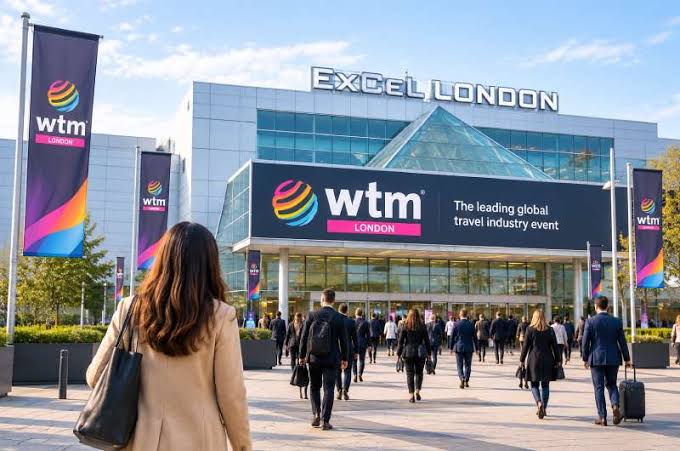
The event, held from 3 to 5 November at ExCeL London, opened with the launch of the WTM Global Travel Report, produced in association with Tourism Economics. The report found that 58 per cent of international travellers had travelled abroad specifically to attend an event in the previous two years.

The findings point to growing demand for travel built around concerts, sporting competitions, music festivals and cultural events, creating opportunities for travel agencies to develop packages beyond conventional accommodation and transport bookings.

Discussions highlighted how destinations are increasingly extending the visitor experience beyond major events. Philadelphia, for example, used free activities around the FIFA World Cup to attract visitors beyond match venues, while music festivals are generating international travel demand for destinations that some visitors would otherwise not consider.

For travel agents, this creates opportunities to combine flights, accommodation, event tickets and local experiences into complete itineraries, particularly around major sporting and entertainment calendars.

Accessibility Becomes a Commercial Consideration

Accessibility also featured prominently in the discussions, with Spain presenting its Spain for All strategy, including guidance to help hotels communicate their accessibility provisions.

The discussion reinforced the importance of making travel information more transparent, allowing customers to understand whether accommodation and destinations can meet their individual requirements.

For agencies, accurate information about accessible rooms, transport, attractions and facilities can become an important part of product selection and customer service.

AI Raises the Importance of Quality Data

Artificial intelligence was another major theme, with industry discussions highlighting the importance of accurate, connected data when deploying AI in travel businesses.

For travel agencies, AI offers opportunities to improve customer communication, support itinerary planning and streamline routine operations. However, its usefulness depends on the quality of the information available, including customer preferences, booking records and travel product details.

The discussions also highlighted how automation can allow employees to spend more time on complex customer needs and higher-value services.

The wider message from WTM London is that travel businesses will increasingly compete through the experiences they package, the accessibility information they provide and how effectively they use technology.

For travel agents, the opportunity lies in moving beyond selling individual travel components towards creating more personalised and experience-led journeys.

Source: wtm.com

Africa’s Changing Skies: How Kenya Airways Is Adapting to a New Generation of Travellers

Kenya Airways is adapting its regional operations as changing passenger expectations, visa liberalisation and growing intra-African travel reshape the continent’s aviation market. From local in-flight catering and digital loyalty programmes to aircraft deployment and flight scheduling, the airline is part of a wider shift towards making African travel more accessible and responsive to younger travellers.

For decades, intra-African travel faced restrictive air service agreements, expensive fares and complicated border procedures. However, initiatives such as the Single African Air Transport Market (SAATM) and the African Continental Free Trade Area (AfCFTA) are creating opportunities for stronger regional connectivity.

Visa Liberalisation Opens Regional Markets

Visa restrictions have historically discouraged travel between African countries. However, several governments are introducing visa-free arrangements and simplifying entry requirements.

Rwanda, Benin, The Gambia and Seychelles have adopted visa-free access for African passport holders. Kenya has also introduced an Electronic Travel Authorisation system and bilateral entry exemptions for selected markets.

These developments are relevant to younger travellers, entrepreneurs and professionals seeking access to regional business and cultural centres such as Nairobi, Lagos, Kigali, Accra and Johannesburg.

Kenya Airways has prioritised the Lagos–Nairobi corridor, connecting West Africa’s major commercial market with East Africa’s business hub. RwandAir and Ethiopian Airlines are similarly strengthening regional connectivity through their respective hubs in Kigali and Addis Ababa.

Local Food Becomes Part of the Passenger Experience

Kenya Airways is also using inflight catering to introduce passengers to the food culture of their destinations.

Through point-of-origin catering, the airline sources meals locally at selected outstations rather than transporting return catering from Nairobi. On Nigerian departures, passengers can experience regional dishes such as jollof rice and plantains.

The approach improves the connection between the passenger experience and local culinary identity while creating opportunities for airport caterers, food suppliers and agricultural producers.

Other carriers are pursuing similar strategies. Air Peace promotes Nigerian cuisine and hospitality, while South African Airways incorporates local dishes and wines into its onboard experience.

Aircraft and Passenger Experience

Aircraft deployment is another area shaping regional competition. Airlines are increasingly using widebody aircraft on busy African routes, bringing premium cabins and additional comfort to journeys previously dominated by narrowbody aircraft.

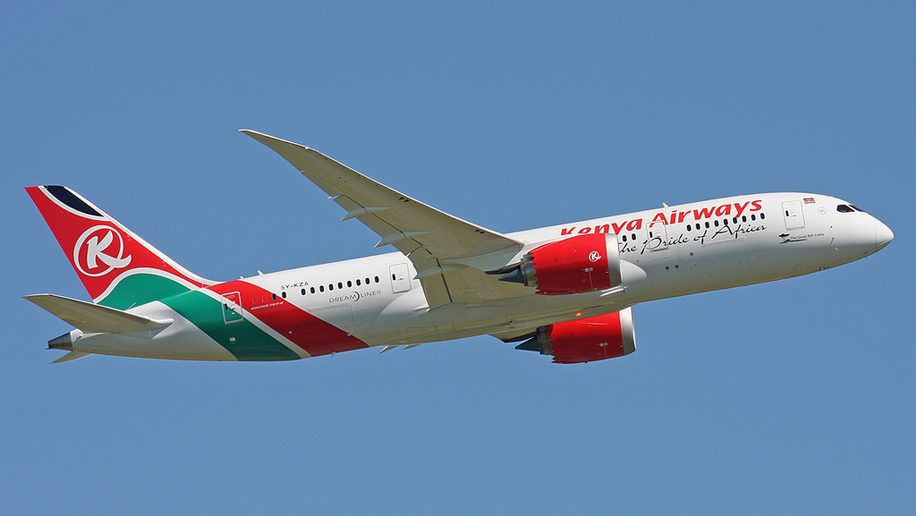
Kenya Airways deploys its Boeing 787-8 Dreamliner on the Lagos–Nairobi route, offering lie-flat Business Class seating and modern inflight entertainment. RwandAir also operates Airbus A330 aircraft on selected regional and international services.

Such deployments allow airlines to serve corporate travellers and connecting passengers while improving aircraft utilisation.

Digital Marketing and New Loyalty Models

Younger travellers are changing how airlines market their services. Social media, short-form videos and travel influencers are becoming important channels for promoting destinations and airline products.

Kenya Airways has worked with Nigerian lifestyle personalities, including Noble Igwe and Tania Omotayo, to showcase the Lagos–Nairobi travel experience and the lifestyle attractions of both cities.

The airline is also broadening its loyalty proposition beyond traditional flight-based rewards. Its Asante Global Card, developed with Absa Bank Kenya and Visa, allows customers to earn rewards through eligible retail and online transactions.

Ethiopian Airlines has adopted a similar approach through its partnership with Dashen Bank and Mastercard on a co-branded card linked to its ShebaMiles programme.

Scheduling for Greater Connectivity

Flight scheduling is another important part of the changing regional aviation model. Daytime services can accommodate business travellers and passengers connecting to long-haul flights, while overnight departures appeal to travellers seeking to maximise time at their destinations.

Kenya Airways’ Lagos–Nairobi operations illustrate the importance of serving different travel windows. Meanwhile, ASKY Airlines, working with Ethiopian Airlines, uses Lomé as a regional connecting hub linking West and Central African markets.

Better coordination of connecting flights can improve passenger convenience and aircraft utilisation, helping airlines generate more value from their fleets.

The Road Ahead

Despite these developments, high aviation taxes, fuel costs, ground-handling charges and regulatory barriers continue to make African air travel expensive.

The success of SAATM and other regional integration initiatives will depend on how effectively governments address these obstacles and translate policy commitments into practical market access.

For Kenya Airways, the opportunity extends beyond carrying passengers between African cities. Stronger regional connectivity can support tourism, trade, investment and cultural exchange while positioning the airline to serve a younger generation of travellers.

As passenger expectations evolve, the ability to combine accessible routes, relevant onboard experiences, digital services and convenient schedules will increasingly shape the future of African aviation.

Source: travelandtourworld.com