African tourism destinations are expanding beyond traditional beach holidays and wildlife experiences, with The Gambia investing in ecotourism and community-based attractions while Mozambique positions itself as an emerging golf and luxury tourism destination.
The developments reflect growing efforts by destinations to diversify their tourism products, attract higher-value visitor segments and spread the economic benefits of tourism beyond established holiday centres.
In The Gambia, the government has unveiled a revised national tourism policy, six priority investment business cases and a new tourism marketing and branding strategy as part of efforts to strengthen the sector’s competitiveness.
The initiatives were officially launched on November 9, 2026, under the World Bank-supported Tourism Diversification and Resilience Project, which seeks to promote sustainable tourism, attract private investment and expand opportunities for local businesses.
Tourist arrivals in the West African country reached 233,113 in 2025, up from 224,472 in 2024, according to the World Bank’s June 2026 economic update, reflecting continued recovery in the sector.
The country’s diversification strategy seeks to encourage visitors to explore destinations beyond the traditional coastal tourism corridor around Banjul. Proposed opportunities include ecotourism, cultural festivals, gastronomy, river cruises and wildlife experiences.
The River Gambia has emerged as a key area for investment. A government assessment initially identified 29 potential jetty locations along the river before narrowing these down to 10 priority sites for development.
Plans include improving river transport infrastructure, developing day and overnight cruises, establishing marinas and strengthening nature-based tourism experiences around attractions such as Kiang West National Park.
The government is also seeking to increase the participation of small and medium-sized enterprises in tourism supply chains, allowing more local businesses and communities to benefit from visitor spending.
The World Bank-backed Tourism Diversification and Resilience Project has a financing envelope of $68 million, including $50 million allocated to infrastructure supporting tourism diversification and resilience, and $13 million for policy development and micro, small and medium-sized enterprise participation.
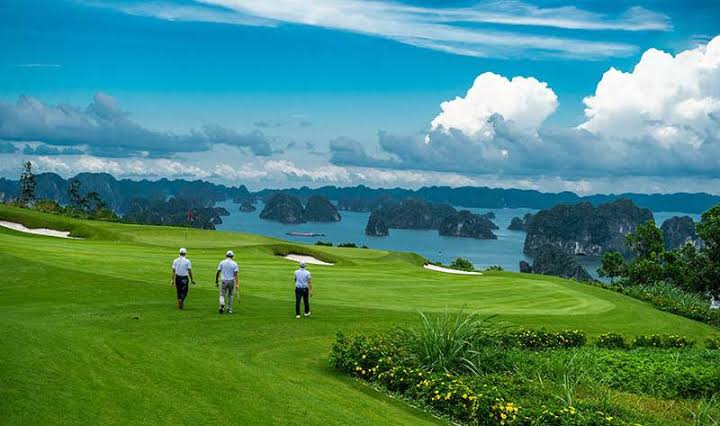
Meanwhile, Mozambique is pursuing a different approach by investing in golf tourism and high-end hospitality in the coastal province of Inhambane.
On November 7, President Daniel Chapo presided over the groundbreaking ceremony for a golf tourism development in Chigamane, in Vilankulo district. The project involves an investment exceeding $40 million and will occupy approximately 100 hectares.
The development will include an 18-hole golf course, accommodation facilities with a capacity of 100 rooms and 50 apartments, alongside leisure and hospitality services.
The project is intended to attract domestic and international visitors, including golfers and high-spending leisure travellers from markets such as South Africa, Zimbabwe, Tanzania and Zambia.
It also forms part of Mozambique’s wider ambition to establish Inhambane as a specialised golf tourism destination through a Special Golf Tourism Zone covering six districts: Vilankulo, Inhassoro, Massinga, Jangamo, Zavala and Govuro.
The government expects the development to stimulate investment in accommodation, transport, restaurants, construction and other tourism-related services while creating employment and training opportunities for local communities, particularly young people and women.
The two developments illustrate different approaches to tourism diversification, with The Gambia focusing on natural and cultural experiences while Mozambique is developing specialised leisure infrastructure to attract a higher-spending market.
For African travel businesses, the expansion of tourism products presents opportunities to develop more varied itineraries, target niche markets and encourage visitors to spend more time exploring destinations beyond their established attractions.
Sources: motc.gov.gm , presidencia.gov.mz