
When Kiambu Governor H.E. Dr. Kimani Wamatangi announced that Kiambu is the only county in Kenya with a dedicated maternity ward for elephants, I wasn’t sure whether to laugh or to marvel. Either the Governor has a natural sense of humour, or our travel agents and tour operators are sitting on a goldmine they have yet to fully tap.




Beyond the humour, one thing is certain: Kiambu County is a living agricultural expo. From its enormous dairy cows to thriving pig farms and impressive poultry enterprises, the county’s agricultural capacity is unmistakable. But on this particular day, the spotlight shifted entirely to the refined experiences of tea, coffee, and a surprisingly elegant resort life.
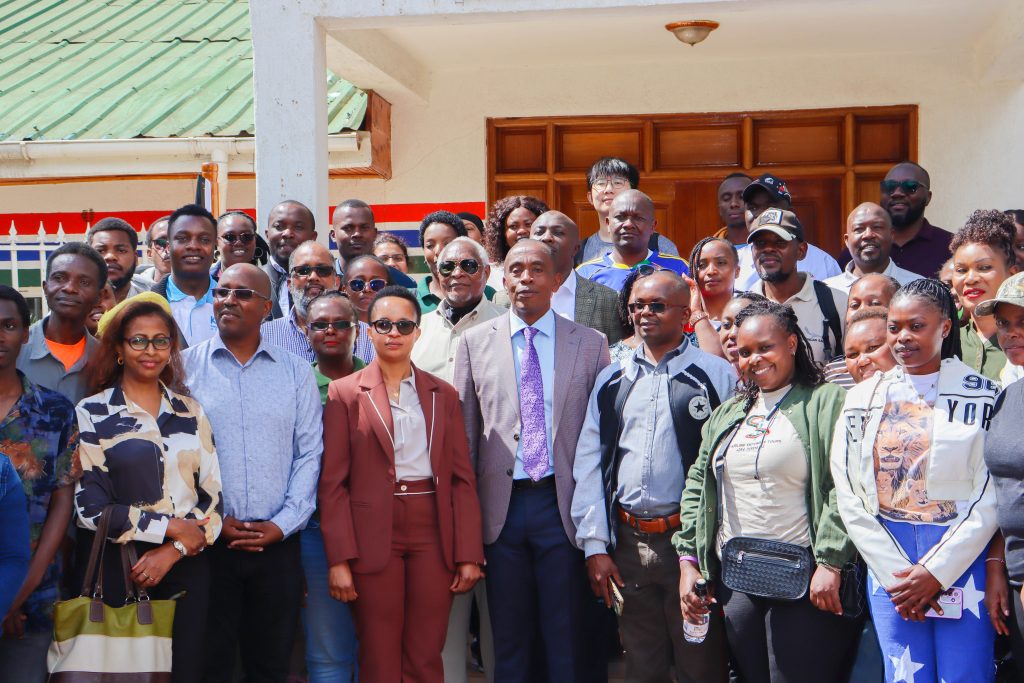
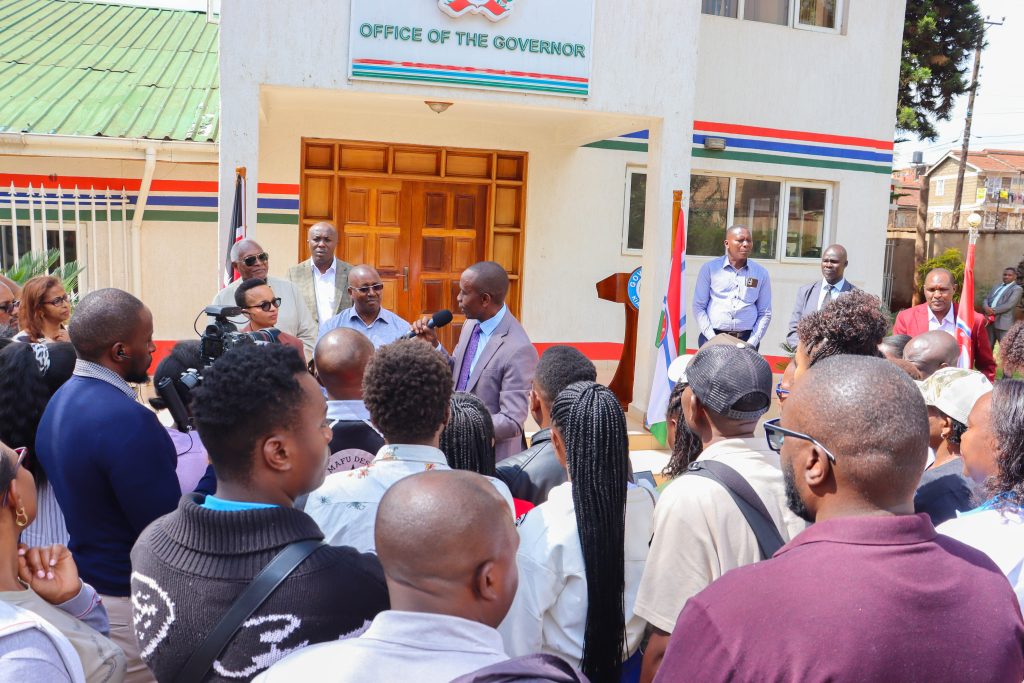
I joined Kenya Association of Travel Agents (KATA) members and other industry stakeholders on a familiarization trip, organized by the Kiambu County Board of Tourism, to sample the county’s growing agritourism potential firsthand.
Decoding the Tea Mystery: Two Leaves and a Bud
After a product presentation on screens at the Kiambu County offices and a swift flag-off, we departed for live experiences in Karirana, an hour from Kiambu Town, where acres of lush tea plantations stretch across the hillsides.
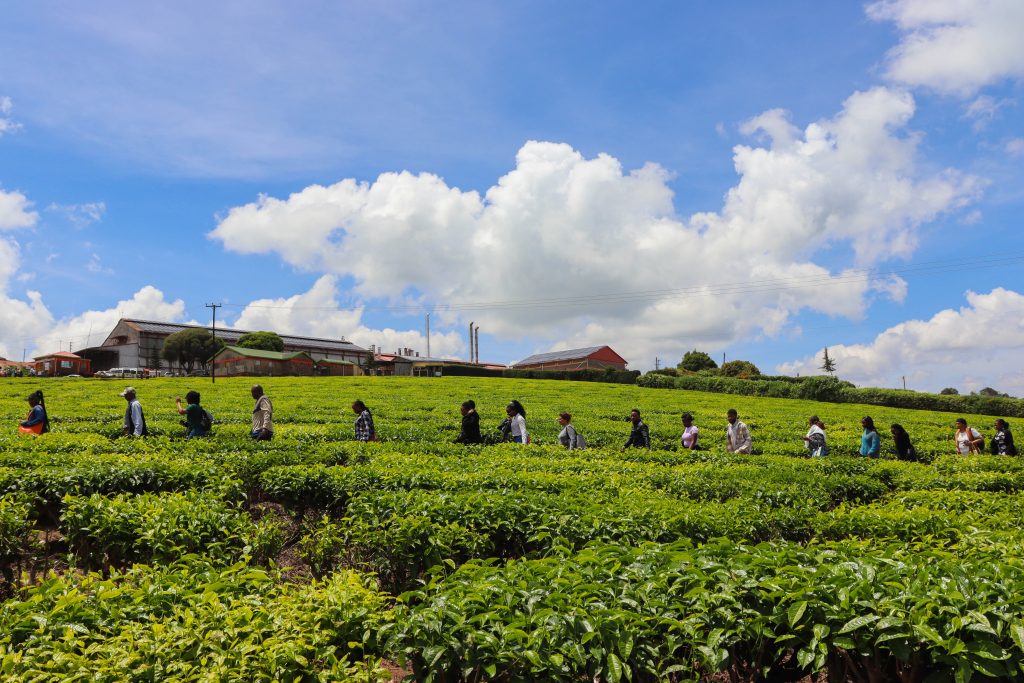
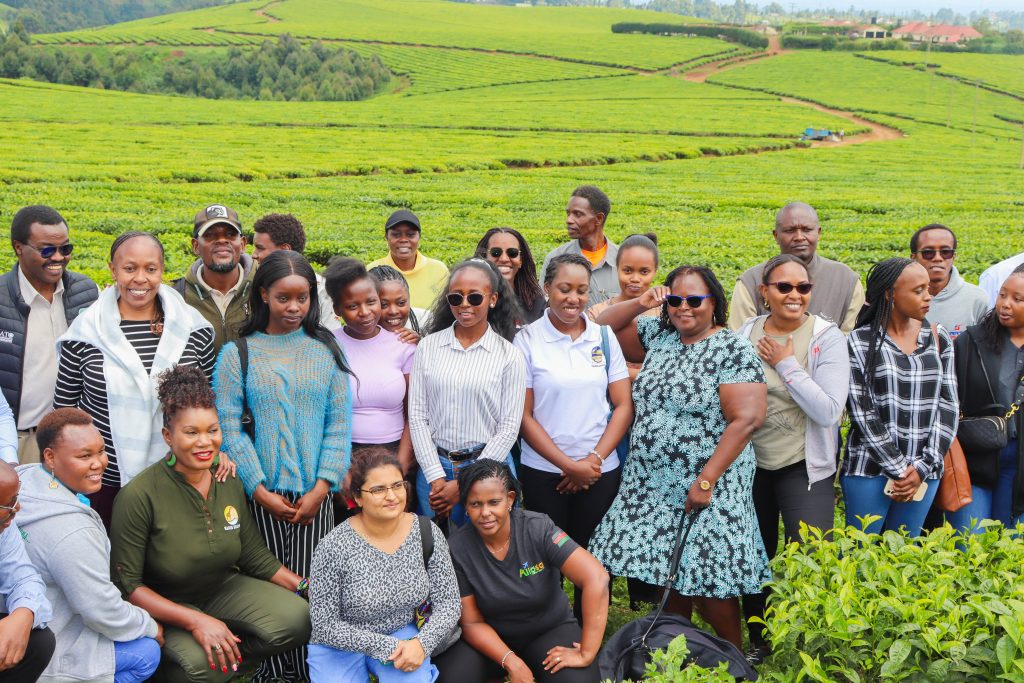
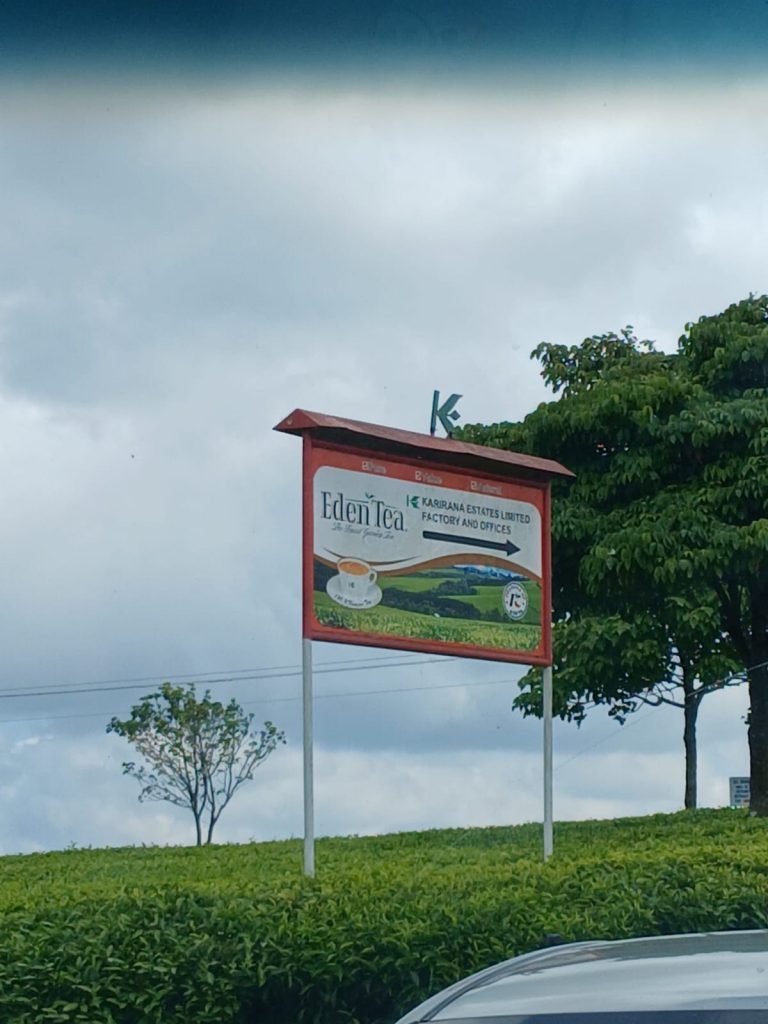
Our first stop was the Karirana Tea Factory. I must admit I had long assumed tea leaves were simply dried and crushed! I was totally wrong. We were taken through the entire tea processing journey, including the specialty purple tea grown uniquely in Kenya. The instructors emphasized the plucking technique, “two leaves and a bud”, and suddenly, a simple cup of tea felt like a complex science experiment.
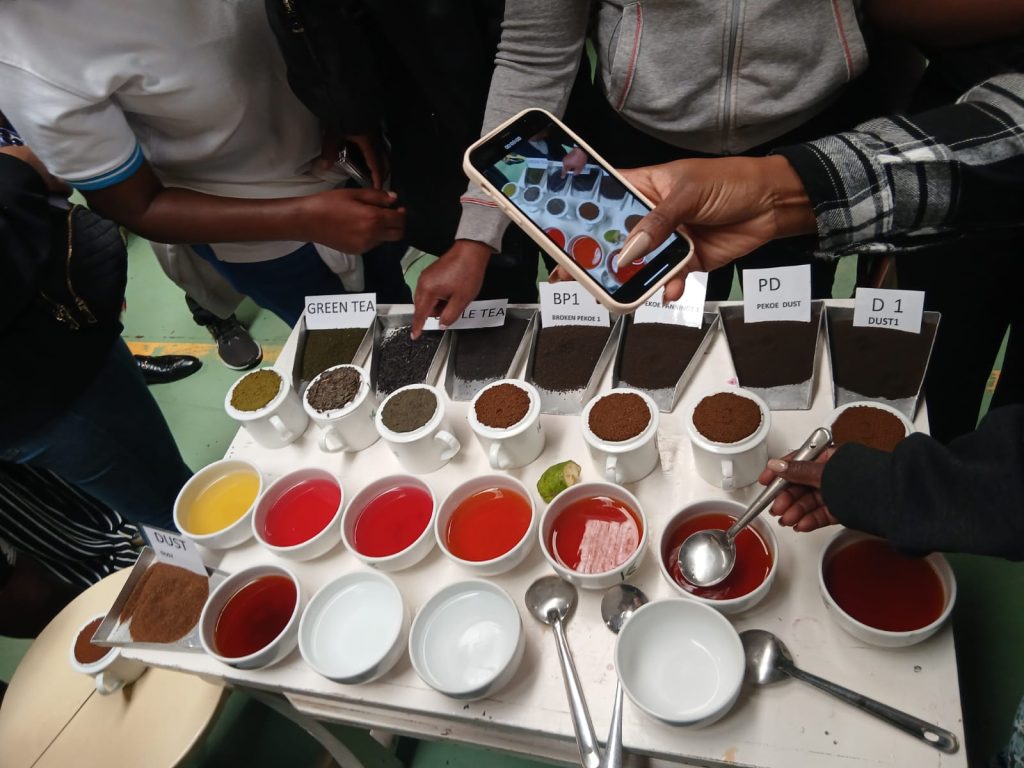
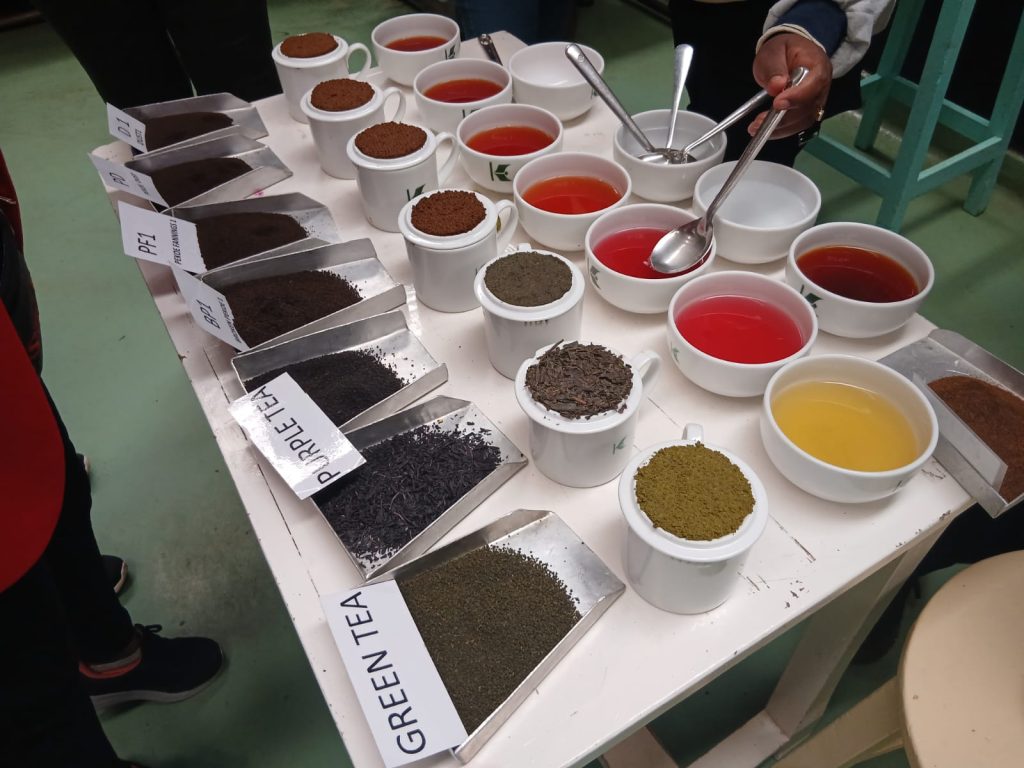
In the factory, words like withering, oxidation, drying, and grading dominated the conversation. It takes about 18 hours of precise biology, physics, and chemistry to transform a freshly plucked green leaf into the black or brown tea we buy off the shelf. It was an eye-opening deep dive!
The Ridge Cabin Experience: From Plantation to Paradise
From the factory floor, we proceeded to the stunning Ridge Cabin Resort for a tour and lunch. The entrance immediately sets a tone of elegance. What was once a 25-acre tea plantation has been thoughtfully evolved into an expansive resort. It now boasts more than 160 rooms and charming wooden cabins, with balconies where guests can actually pluck tea right from their room.
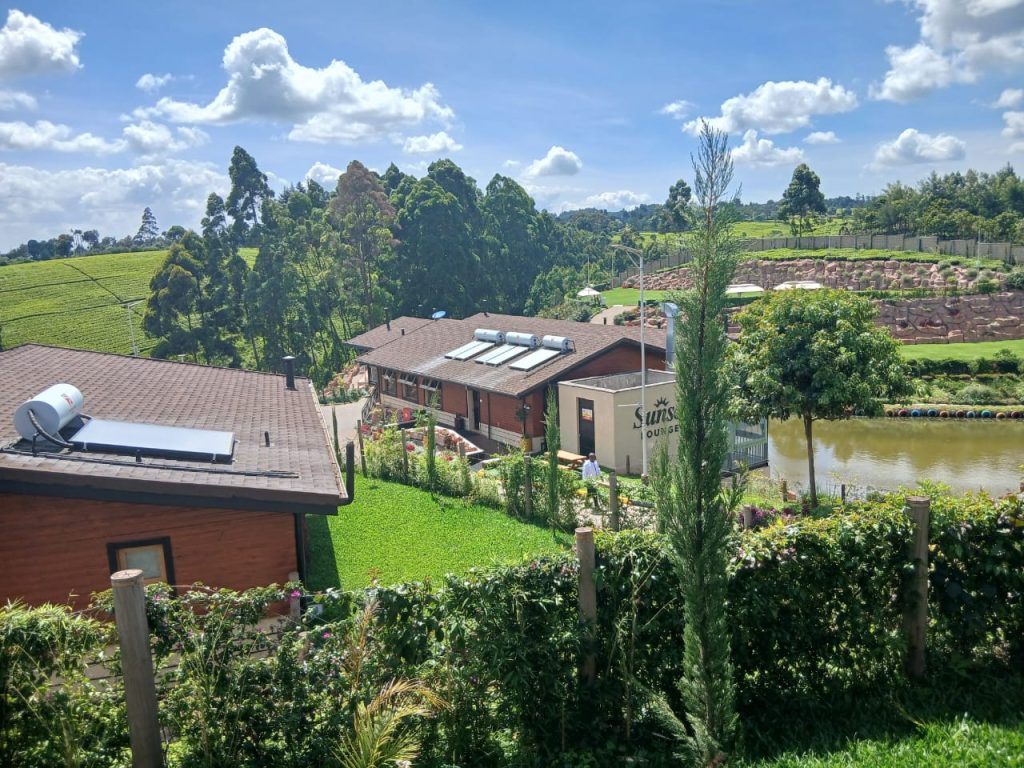
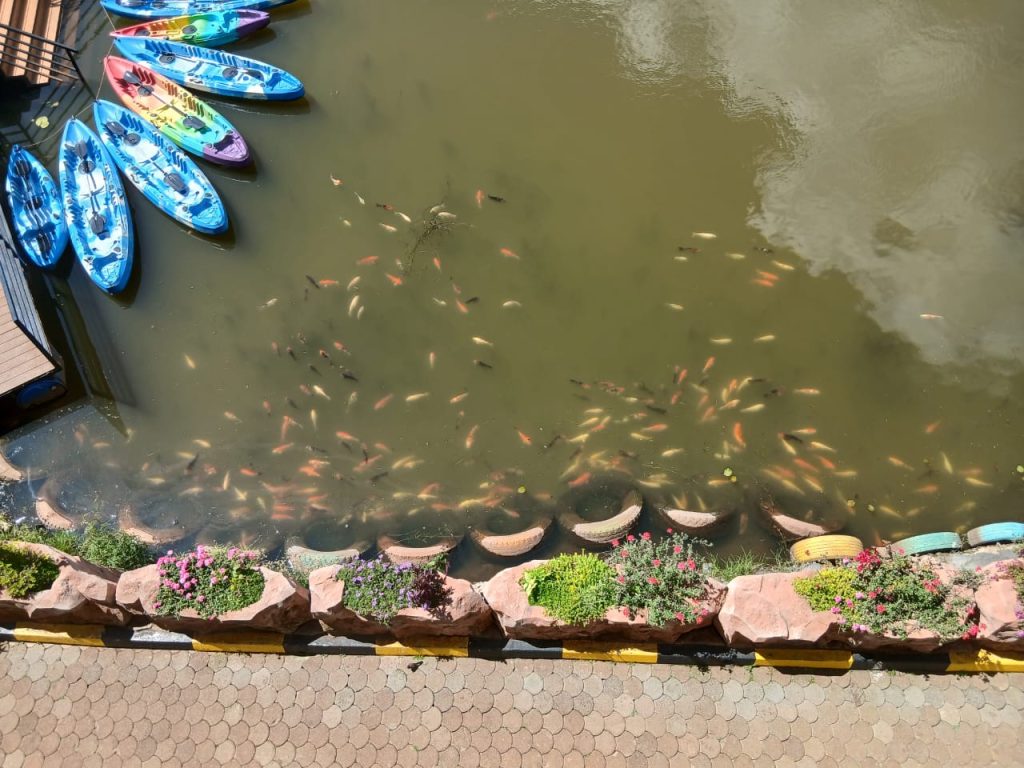
With a dam offering boat rides and sighting beautiful fish, alongside conference facilities for up to 500 delegates, it is an impressive venue by any standard. Lunch was served beside a heated swimming pool, framed by the rolling tea fields and Kiambu’s unmistakable greenery. It was a moment where the lines between industrial farming and luxury leisure blurred into a perfect offering.
Coffee’s Shared Story: The Second Brew
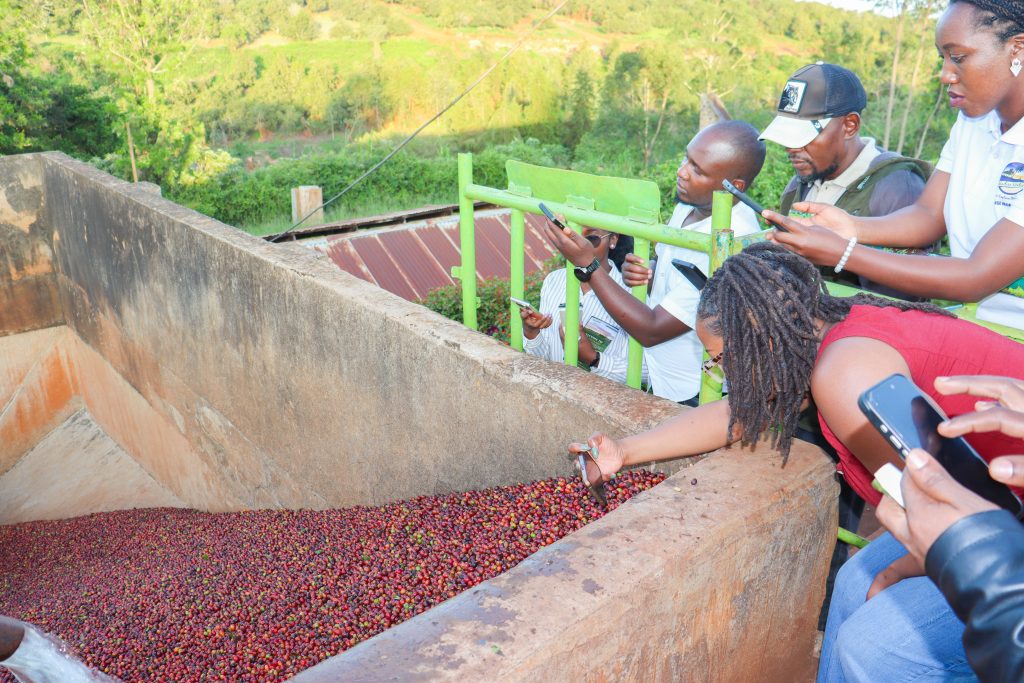
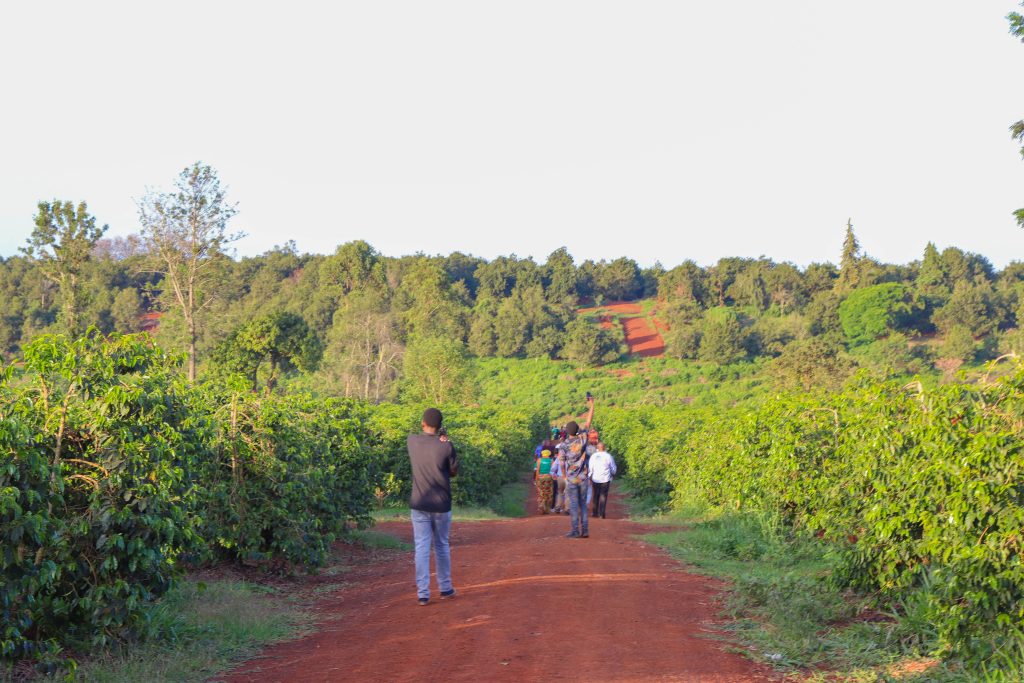
Our final destination was Karunguru Coffee Farm. Here, we sampled coffee berries, walked through the farm, and toured the factory, discovering that the coffee value-addition process had striking similarities to tea production. Yet, even with all the explanations, some experiences simply must be lived rather than described. The taste of the fresh brew at the source is an unparalleled sensory connection.

Tapping Into Immersive Tourism
Kiambu has clearly taken the lead, and Kenya, as an agricultural nation, should be packaging such experiences more deliberately. The truth is, tourism is shifting. Today’s travellers demand more than a scenic view; they crave immersion, cultural connection, and hands-on activity.
This trip just birthed the vibrant promise of agritourism. Travel agents would do well to package these agricultural and cultural encounters now. This niche is vibrant, underutilized, and poised to redefine how we present Kenya to the world. And if Kiambu is truly the county where elephants come to give birth, then we should all be ready to watch this new, exciting form of tourism be born there, too!
By Felix Wakiuru