
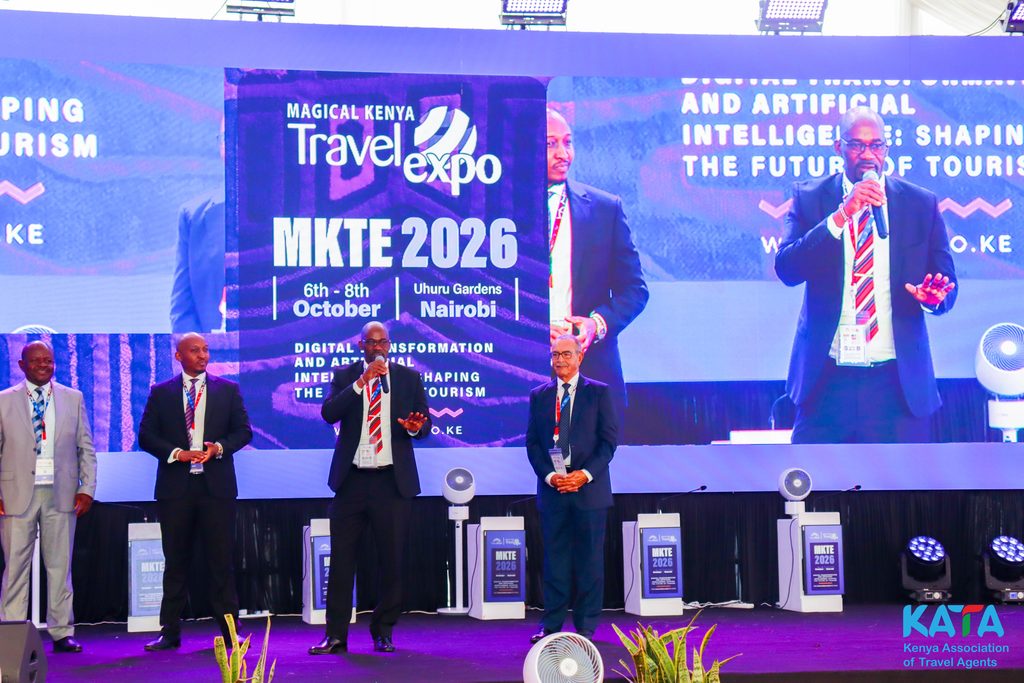
The competition for the modern traveller is no longer confined to destinations. It increasingly centres on how effectively countries use technology, connect experiences and persuade visitors to explore beyond a single market. That was the central message at the opening of the 16th Magical Kenya Travel Expo (MKTE 2026), where digital transformation, artificial intelligence and regional integration emerged as defining questions for East Africa’s tourism industry.
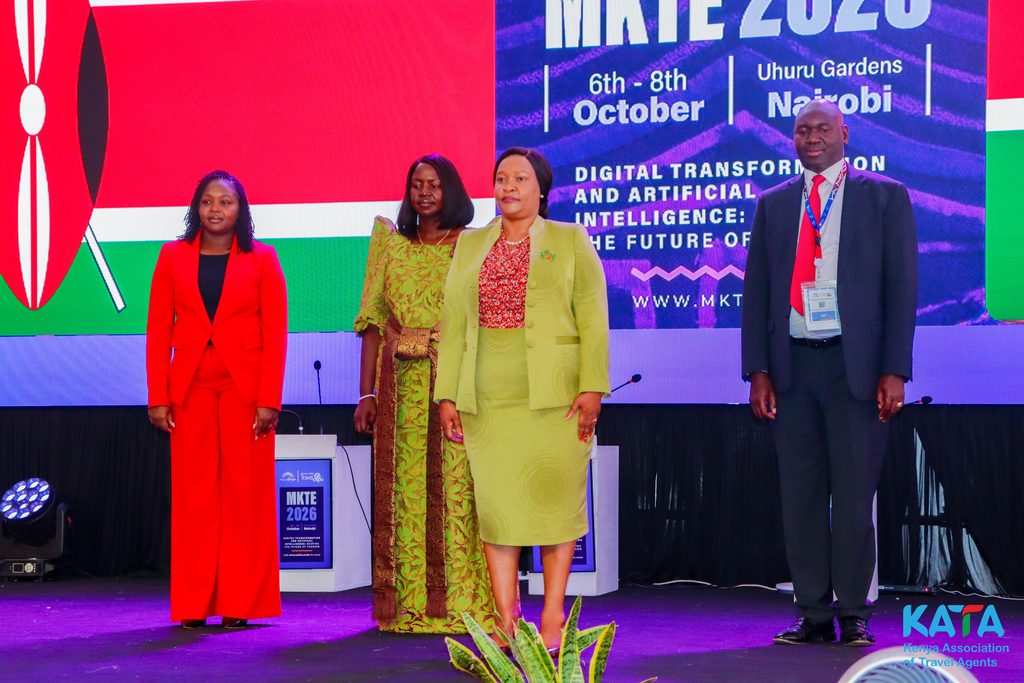
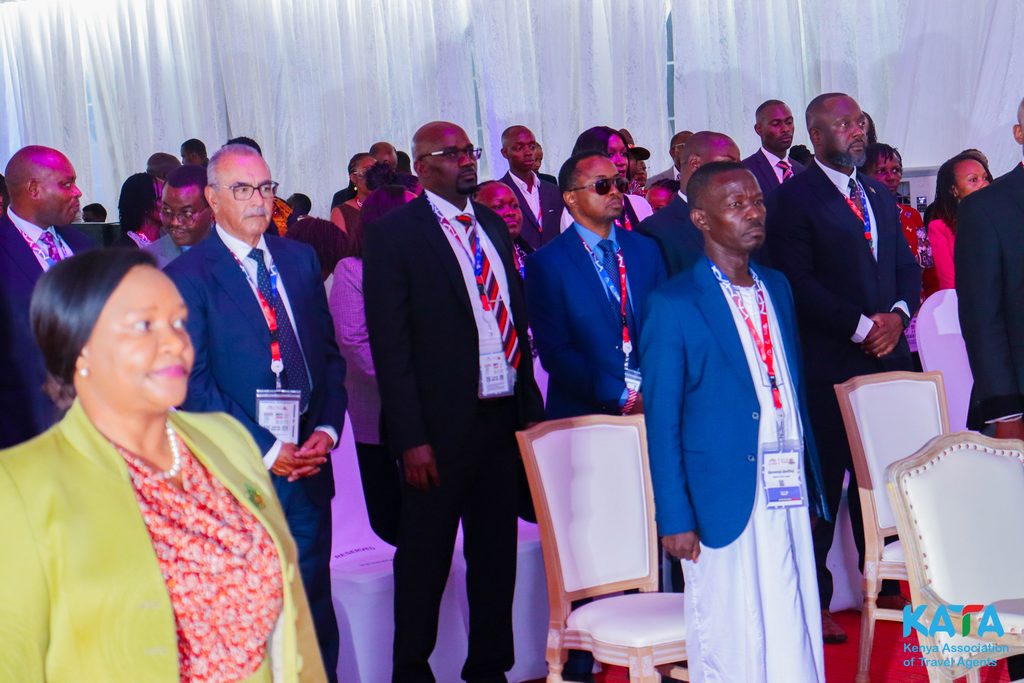
“The traveller of today bears no resemblance to travellers of yester years,” said Rebecca Miano, Cabinet Secretary for Tourism and Wildlife, setting the tone for discussions under the theme Digital Transformation and Artificial Intelligence: Shaping the Future of Tourism. Her observation reflects a wider shift in an industry where travellers are changing how they discover destinations, compare products and make purchasing decisions, placing greater pressure on tourism businesses to adapt how they package and distribute their offerings.
For Kenya’s travel trade, the implications extend beyond adopting new technology. Artificial intelligence is changing the relationship between travellers and the businesses competing for their attention, while digital platforms are creating new ways to discover and compare destinations. The commercial question is how effectively tourism businesses can translate these changes into bookings, longer stays and greater visitor spending.
Ambassador Julius Bitok, Principal Secretary in the State Department for Tourism, pointed to technology and artificial intelligence as important to the future of the sector. But the opening also highlighted the need to protect the natural assets on which tourism depends. Silvia Museiya, Principal Secretary in the State Department for Wildlife, stressed the importance of conserving Kenya’s wildlife, the foundation of experiences spanning the country’s coastal and inland destinations.
The challenge, therefore, is to modernise the way tourism is sold without weakening the natural and cultural assets that make destinations commercially distinctive. Technology may improve how visitors discover and purchase travel, but the long-term value of that business remains tied to the quality and sustainability of the experiences being sold.
The regional argument was made more directly by Susan Nakawuki, Uganda’s State Minister for Tourism, who questioned why Kenyan travel sellers were outperforming Ugandan tour operators in selling gorilla experiences. Her observation illustrated a market in which tourism products do not necessarily generate the greatest commercial returns for the country in which they are located. The ability to reach international buyers, build itineraries and connect products to wider travel networks can be just as important as owning the attraction itself.
“We need to sell a borderless East Africa,” Nakawuki said, calling for stronger connectivity between Kenya and Uganda to make it easier for visitors to move across the two countries, experience more attractions and potentially extend their stays. She also raised the concern that tourists could leave the region with 50–60 per cent of the money they arrived with, underscoring the challenge of retaining more visitor expenditure within local economies.
A more integrated regional tourism offering could give international visitors reasons to combine destinations rather than choose between them. Kenya’s wildlife and coastal experiences, for example, can complement Uganda’s gorilla tourism, creating itineraries that offer a broader range of experiences within one trip. Such a proposition, however, depends on more than marketing: air and ground connectivity, border procedures, coordinated product development and the ability of travel sellers to assemble and distribute multi-country packages all influence whether the opportunity translates into business.
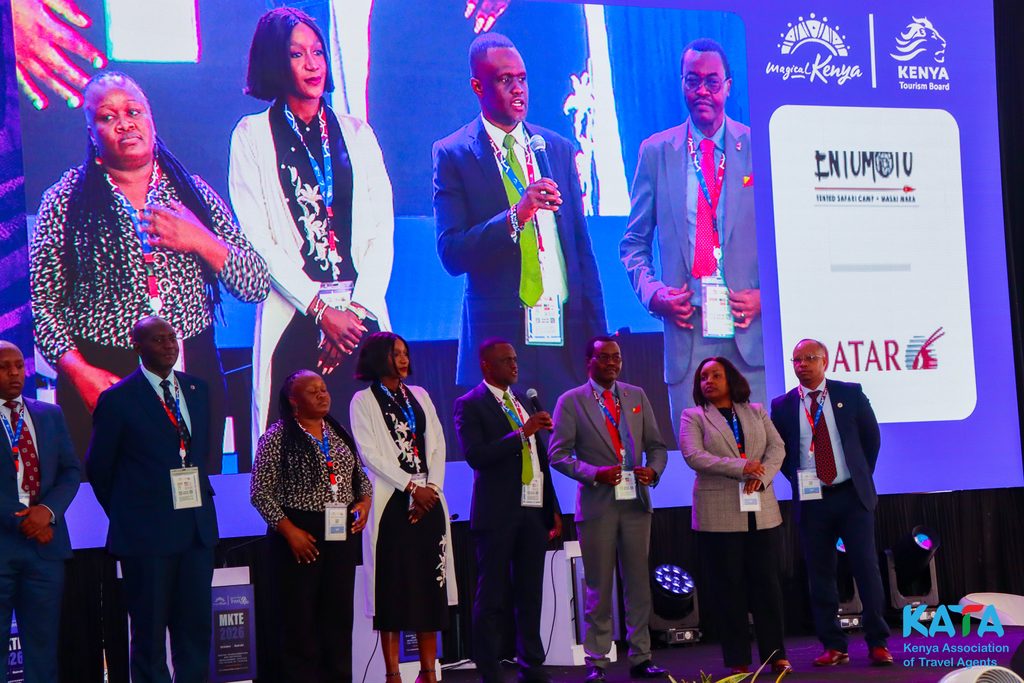

Nakawuki’s acknowledgement of Kenya’s private sector, including the Kenya Association of Travel Agents (KATA), also highlighted the role of travel intermediaries in connecting destinations to markets. Tour operators and travel agents can help turn regional cooperation into commercially viable itineraries, linking suppliers across borders with buyers seeking a more comprehensive African experience.
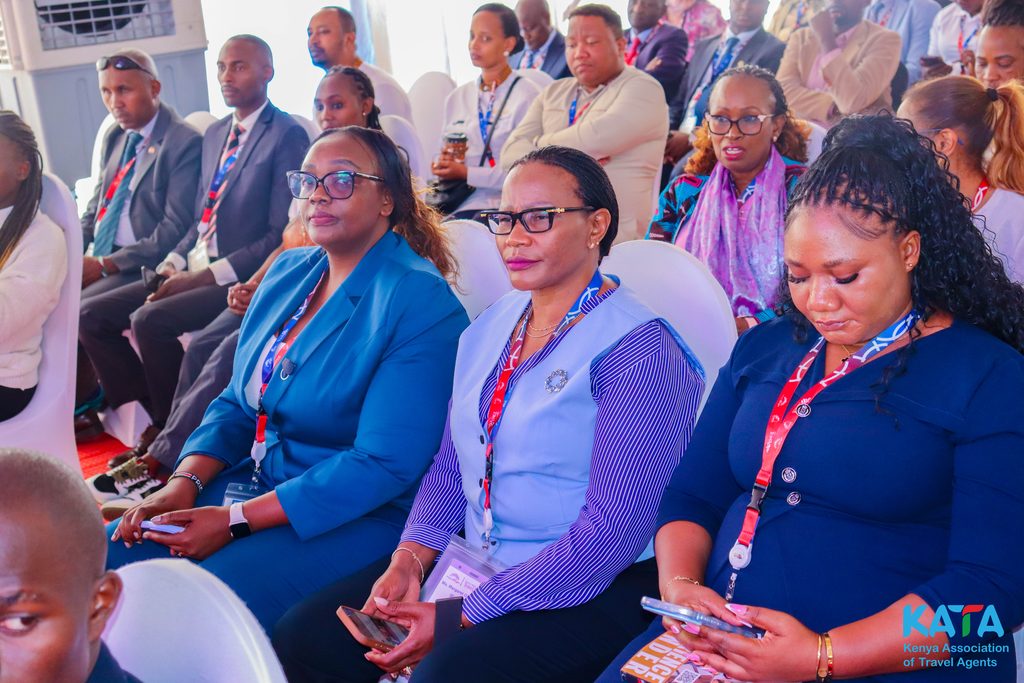
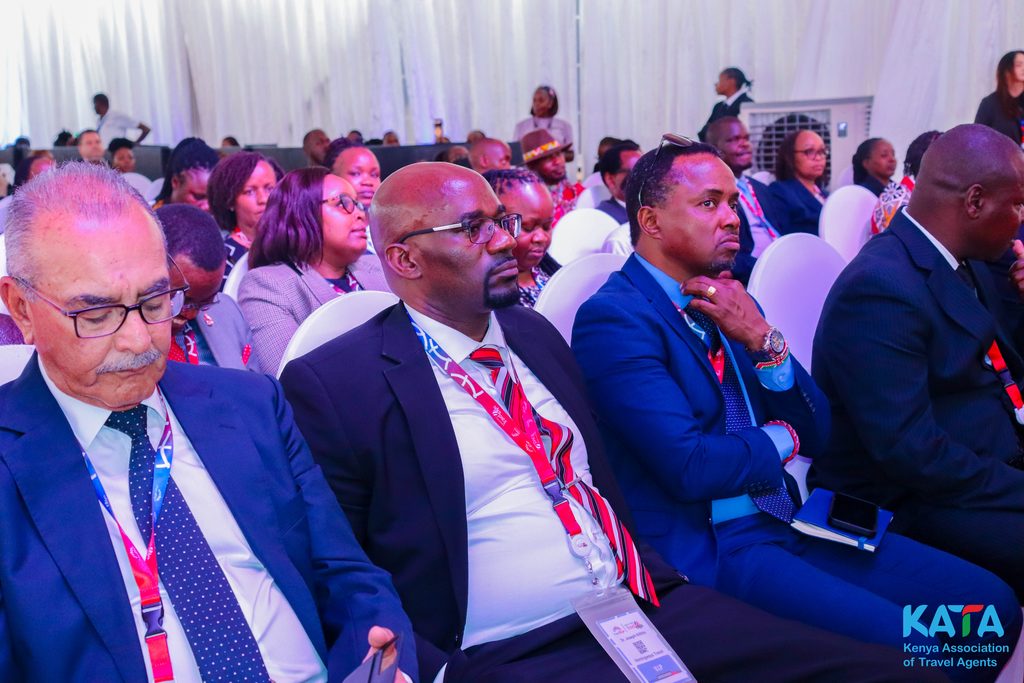
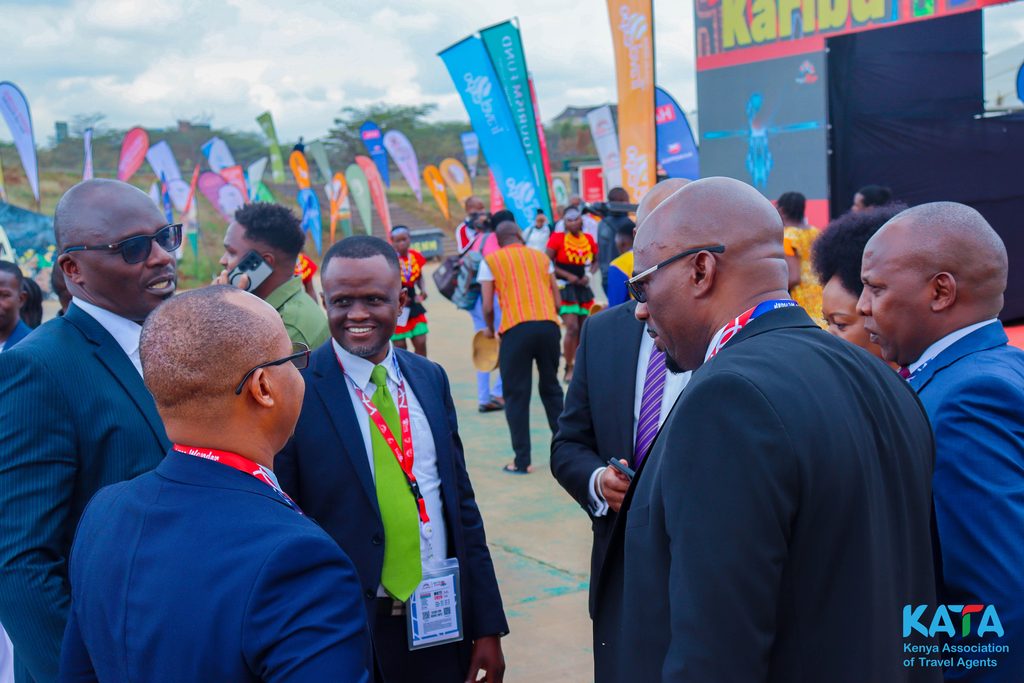
The scale of the business activity at MKTE offered an indication of the industry’s appetite for those connections. June Chepkemei, chief executive of the Kenya Tourism Board, reported that the first day recorded more than 10,000 business-to-business meetings. More than 400 exhibitors and participants from over 40 countries had gathered at Uhuru Gardens for the 2026 edition, bringing tourism suppliers into contact with buyers and other industry stakeholders.
Those meetings matter because tourism growth depends not only on attracting visitors but also on converting interest into distribution agreements, partnerships and sales. An exhibition can bring destinations and buyers into the same space; the commercial test is whether the contacts produce business after the event.
MKTE 2026 consequently placed three interconnected priorities before the regional tourism industry: adapting to a traveller whose purchasing behaviour is changing, using technology to compete for attention and building a more connected East African proposition. Each depends on the others. Digital visibility has limited value if products remain difficult to access, while regional attractions may be underexploited if they are sold in isolation.
East Africa already has a diverse collection of tourism assets. Its next commercial advantage may lie in how effectively those assets are connected, packaged and sold together. The traveller has changed; the challenge for the region is to ensure that its tourism business models change with them.