

By the time the final day of the KATA AGM & Convention 2026 arrived, delegates had sat through presentations, discussions, data, forecasts and debates about the future of travel. Then came something different.
No PowerPoint slides.
No industry jargon.
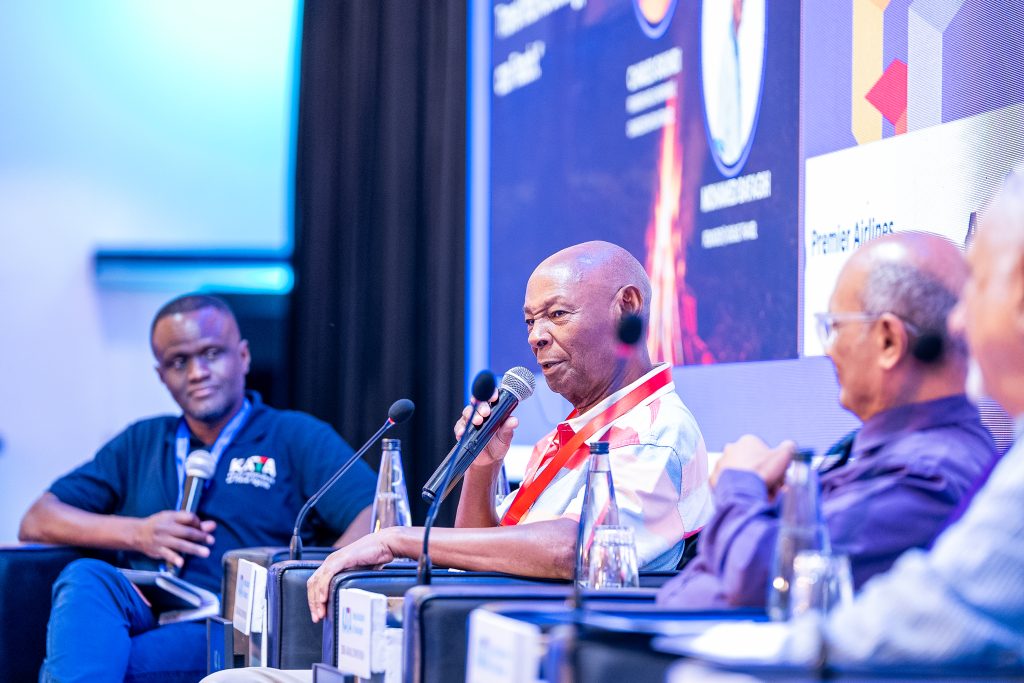
Just three veterans of Kenyan travel seated under the symbolic shade of the Mugumo Tree.
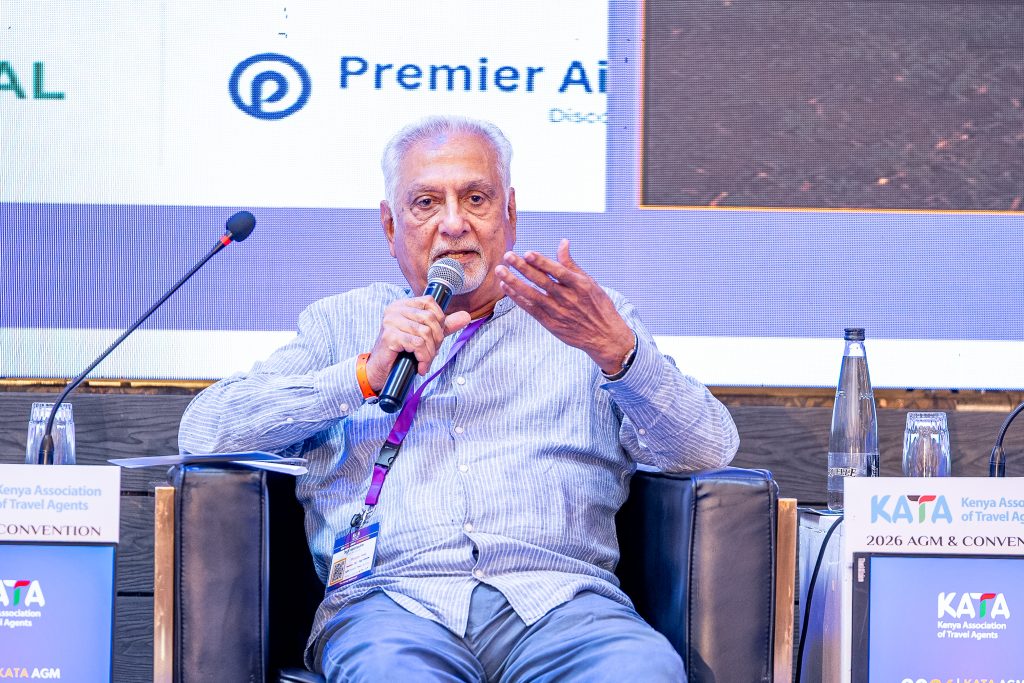
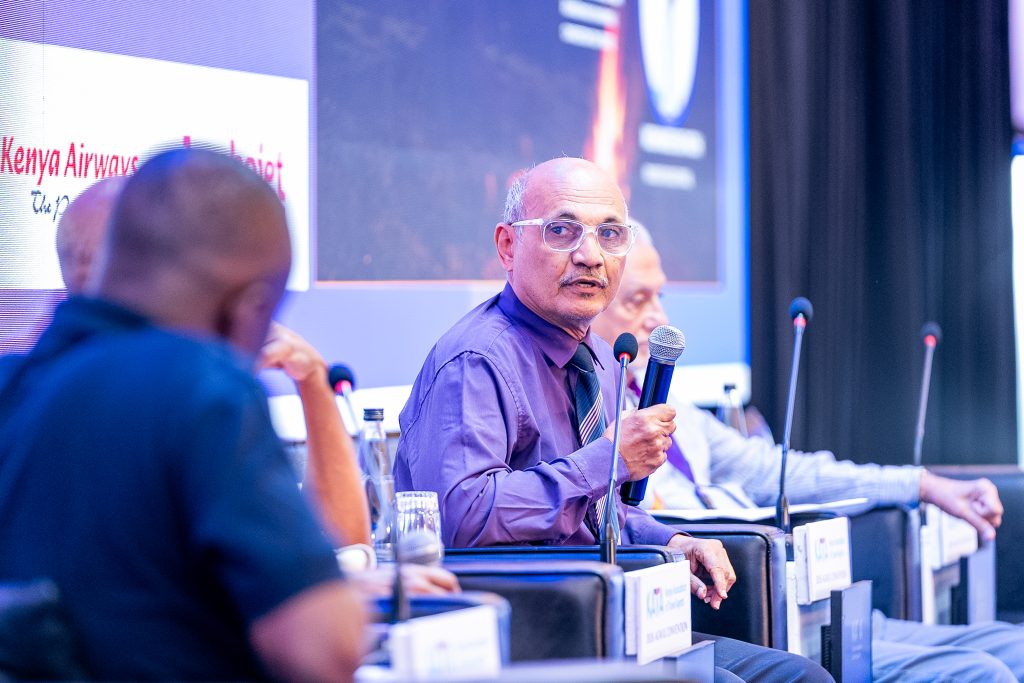
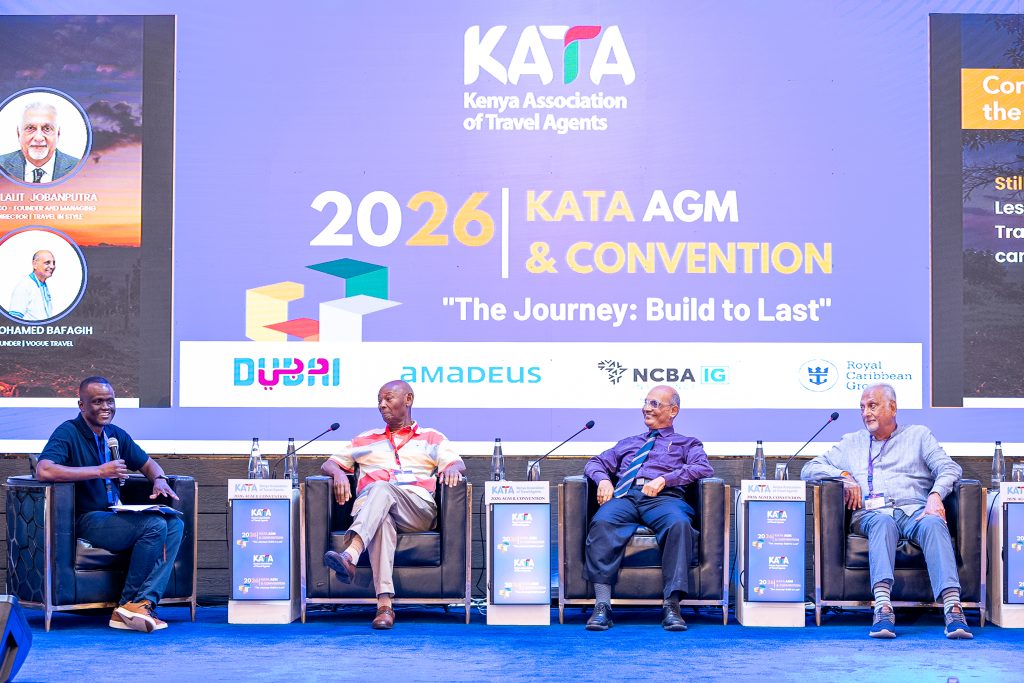
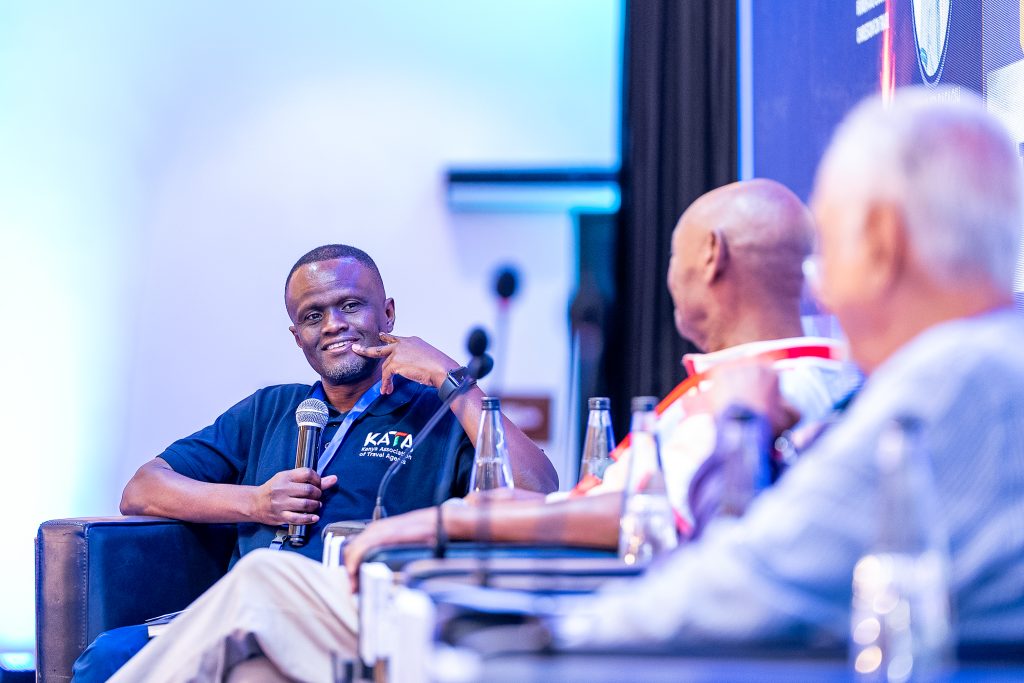
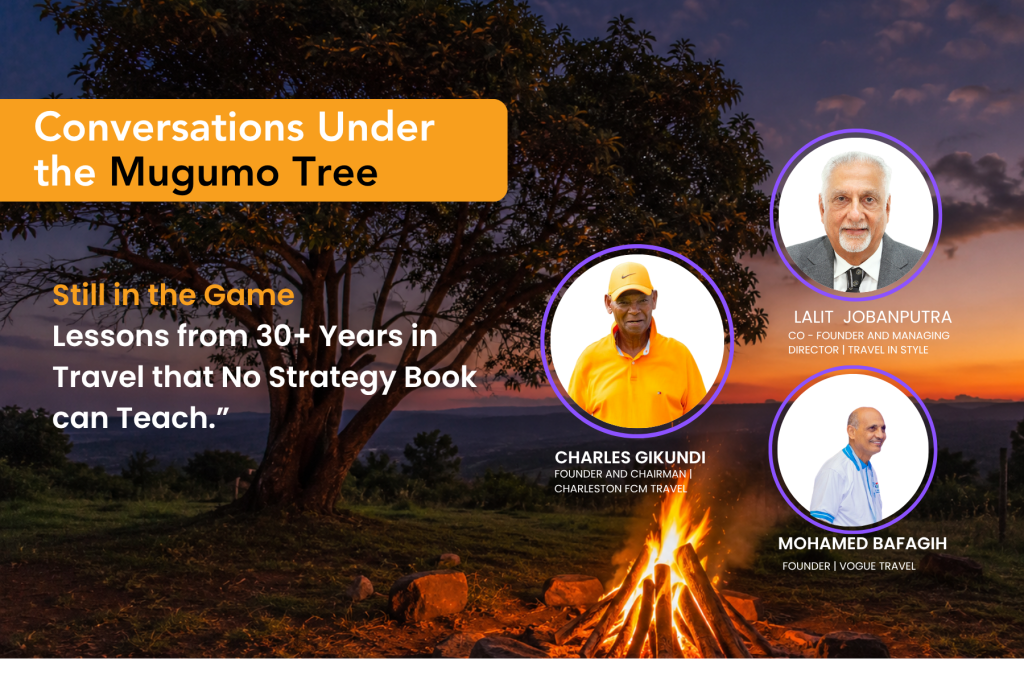
In many African communities, the Mugumo Tree is more than a tree. It is a place of wisdom. A gathering point where stories are shared, disputes settled, lessons passed from one generation to another, and where time itself seems to slow down.
The session, aptly titled “Still in the Game: Lessons from 30+ Years in Travel That No Strategy Book Can Teach,” brought together Charles Gikundi, Founder and Chairman of Charleston FCM Travel, Mohamed Bafagih, Founder of Vogue Travel, and Lalit Jobanputra, Co-Founder and Managing Director of Travel in Style.
What followed was less of a panel discussion and more of a masterclass in endurance.
The room changed.
The audience relaxed.
Then listened.
Carefully.
Because these were not theories. They were stories earned through decades of surviving crises, building businesses from scratch, making mistakes, taking risks and refusing to quit.
Charles Gikundi’s journey began in 1970 when he joined East African Airways, the airline that would eventually give birth to Kenya Airways, Uganda Airlines and Air Tanzania.
“It was not simple for me, a village boy brought to town to work on tickets and matters travel,” he recalled.
More than five decades later, travel remains the only industry he has ever known.
His journey took him through Air France, where he says he learned about wine, culture and “the finer things in life,” before eventually founding Charleston Travel in 1990 and commencing operations in 1991.
Yet for a man who has witnessed decades of change, nothing compared to COVID-19.
“When airlines started parking aircraft in graveyards and putting red blankets on the engines, it scared me,” he told delegates. “Seeing airplanes going to sleep took away my own sleep.”
For perhaps the first time in his career, he wondered whether travel had reached its end.
“At the office we shut the door. I thought travel had come to an end.”
But it didn’t.
And neither did Charleston – FCM Travel.
One of the most important decisions he ever made, he said, was bringing in partners when growth and financial pressures became too great to carry alone.
“When the partners came, we moved from 20 employees to 50, then 100, then 150.”
His lesson was simple.
“Dedication. Resilience. Believe in what you are doing. Sometimes when you are in a crisis, you must find a way of going up.”
If Gikundi’s story was about persistence, Mohamed Bafagih’s was about starting over.
Twice.
After excelling in geography at school, he began his career as a mathematics teacher before joining Air France, a journey that took him to Dubai and Saudi Arabia.
Then came the aftermath of the September 11 attacks.
Air France closed operations in Saudi Arabia.
Suddenly, he was unemployed.
“I had a daughter in school. My wife was pregnant. I didn’t even have money for rent.”
He sold what he had, returned to Mombasa and began rebuilding.
That rebuilding eventually became Vogue Travel.
Today, he looks back at a profession that once relied on little more than two books, a telephone and knowledge of geography.
“We had the ABC timetable for flights and the APT for fares. If you knew geography and had a phone, you were a travel agent.”
His advice on longevity focused less on growth and more on integrity.
“Do your work properly. Take your commission properly. If we chased quick money, we could be lost.”
For Bafagih, sustainability is built through trust, repeat customers and service.
And when it comes to succession, he offered a perspective that resonated strongly across the room.
Many business owners naturally hope their children will inherit what they have built.
But if not?
“My idea was always to give shares to employees.”
The audience responded with appreciative nods.
Because beneath the statement was a powerful truth: institutions survive when ownership extends beyond the founder.
Lalit Jobanputra brought yet another perspective.
His journey to travel was anything but direct.
Born in Kisumu in 1951, he worked as a systems analyst, later joined a multinational textile company, and eventually ventured into a video cassette business before discovering the opportunities hidden within travel management.
Getting an IATA licence took two years.
Ticketing was manual.
Airline commissions were generous.
Then they weren’t.
“Ten, nine, seven, one,” he said, tracing the steady decline in commissions over the years.
Many in the audience remembered the industry’s famous fight against zero commissions, a battle in which KATA played a leading role.
But for Jobanputra, the defining challenge was also COVID-19.
“It was not a single event. It was the combination of the pandemic and the uncertainty that followed.”
Travel stopped.
Refunds mounted.
Confidence disappeared.
Yet his family made a decision.
No employee would lose their job.
For Travel N’ Style, Staff stayed home, remained insured and continued receiving support despite the uncertainty.
“We even used our own resources to make those families happy.”
The experience reinforced a lesson he believes many leaders overlook.
“Relationships are more valuable than transactions.”
Today, Travel in Style has grown beyond where it stood before the pandemic, proof that loyalty often produces returns that cannot be measured on a balance sheet.
On succession, Jobanputra was particularly candid.
“Succession planning is the most overlooked aspect of business.”
Too often, he argued, founders become inseparable from their companies. The relationships, decisions and culture all revolve around one person.
His solution has been deliberate delegation.
“I don’t make decisions today. I leave decision-making to staff and my children.”
The result has been growth not just in revenue, but in leadership capacity.
As the conversation drew to a close, a common thread emerged from all three stories.
None of the men spoke about technology first.
None spoke about market share.
None spoke about disruption.
They spoke about people.
About trust.
About resilience.
About patience.
About surviving long enough to see the next opportunity.
Perhaps that is why the session felt different.
Under the symbolic shade of the Mugumo Tree, delegates were reminded that while technology changes, business models evolve and markets shift, some fundamentals remain timeless.
The travel industry may continue to reinvent itself, but institutions that endure are still built the old-fashioned way: through character, relationships, adaptability and a willingness to keep going when every reason says stop.
And as the curtain fell on the KATA AGM & Convention 2026, it was fitting that some of the most powerful lessons came not from looking ahead, but from listening to those who have spent more than thirty years proving that staying in the game is an achievement in itself.