
For decades, Africa has spoken about the promise of a single travel and tourism market. Yet travellers still face expensive airfares, fragmented airline networks, restrictive visa regimes and disconnected booking systems that often make it easier and cheaper to travel outside the continent than within it.
Bridging those gaps has become the mission of the Association of Eastern and Southern Africa Travel Agents (AESATA), a regional body that brings together 13 national travel agent associations from Botswana, Comoros, Ethiopia, Kenya, Malawi, Mauritius, Rwanda, Somalia, South Africa, Tanzania, Uganda, Zambia and Zimbabwe. Together, the member associations work to tackle shared challenges ranging from changing aviation regulations and rapid technological disruption to the need for harmonised service standards and stronger intra-African tourism networks.
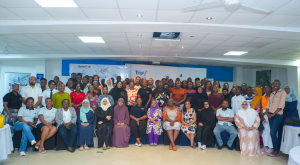
It is against this backdrop that more than 200 delegates from 22 African countries converged in Livingstone, Zambia, for the 4th Annual AESATA Travel Agents’ Conference, the association’s flagship regional gathering. Under the theme “Africa in Motion,” the conference brought together an unusually broad cross-section of the travel ecosystem, including travel agencies, airlines, tourism boards, hospitality brands, policymakers, financial institutions and travel technology providers to examine one fundamental question: What will it take to move Africa together?
Over three days of keynote addresses, executive roundtables and industry discussions, one message emerged with remarkable consistency.
No single airline. No single government. No single travel agency.
Only collaboration.
A Meeting of the Entire Travel Ecosystem

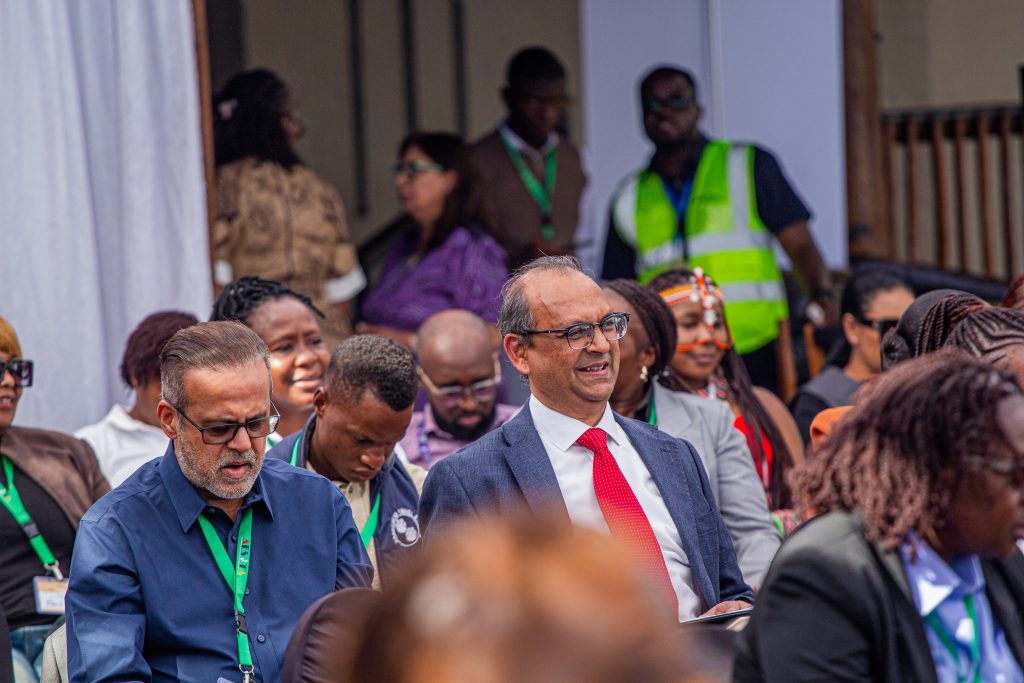


Unlike many industry conferences where discussions remain within one sector, AESATA deliberately placed every player in the travel value chain in the same room.
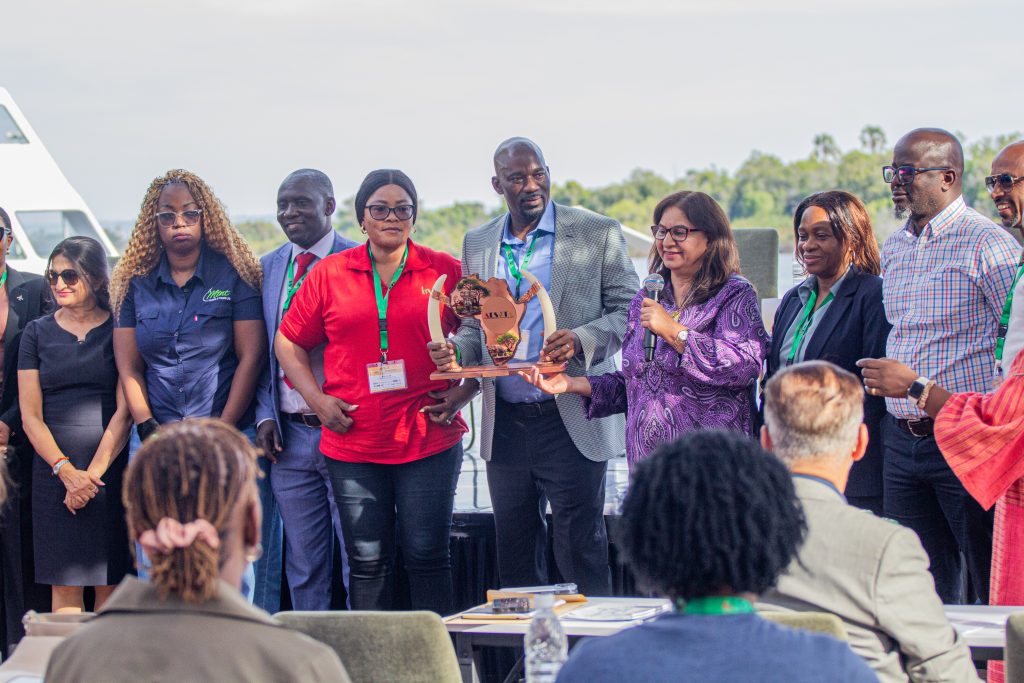
Government officials shared the stage with airline executives. Tourism boards exchanged ideas with travel agents. Technology companies demonstrated digital solutions alongside payment providers, while hospitality brands showcased how destinations themselves can become stronger partners in regional tourism.
The diversity of delegates reflected a growing understanding that Africa’s travel challenges cannot be solved in isolation.
Regional connectivity depends as much on government policy as it does airline strategy. Travel agents remain the bridge between suppliers and travellers. Technology is becoming the infrastructure that ties the ecosystem together.
It was this interconnected approach that gave this year’s conference its significance.
Connectivity Dominated Every Conversation
If there was one word that echoed through nearly every keynote, panel discussion and networking session, it was connectivity.
Not simply the availability of flights, but the broader idea of making Africa easier to move around.
Industry leaders examined how fragmented air networks continue to suppress demand, increase travel costs and limit tourism growth despite the continent’s enormous potential.
Panel discussions explored how stronger airline partnerships, smarter distribution systems and improved regional cooperation could stimulate business travel, leisure tourism and intra-African trade simultaneously.
One of the conference’s flagship discussions, Air Travel in Africa: Unlocking Growth, Connectivity and Commerce, brought together leaders from IATA, the Airline Association of Southern Africa (AASA), Visa and travel technology provider Triply to examine aviation’s role as an economic catalyst rather than simply a transport service.
The message was clear.
Every additional route, every simplified payment process and every digital innovation has the potential to unlock entirely new travel markets across Africa.
Beyond Flights: Removing Africa’s Invisible Borders
Air connectivity was only part of the discussion.
Equally important was the recognition that many of Africa’s barriers remain administrative rather than physical.
The conference dedicated one of its headline sessions to what many delegates described as one of the continent’s biggest untapped opportunities: removing unnecessary friction from travel.
The aptly named Unblock Africa: Breaking Visa Walls, Aviation Taxes & Unlocking Africa’s Trillion-Dollar Travel Economy examined how visa restrictions, taxation and inconsistent policy frameworks continue to discourage movement between African countries.
For many delegates, improving mobility is no longer simply a tourism issue.
It is increasingly viewed as an economic imperative capable of stimulating investment, trade and regional integration.
Technology Is Becoming the Industry’s New Infrastructure
While aviation and policy dominated many conversations, technology quietly emerged as one of the conference’s strongest underlying themes.
Across presentations and exhibitions, travel technology providers demonstrated how automation, digital booking systems, payment solutions and modern distribution platforms are reshaping how African travel businesses operate.
For agencies facing rapidly changing customer expectations, digital transformation is no longer a competitive advantage.
It is becoming the cost of remaining relevant.
Rather than replacing travel agents, speakers repeatedly argued that technology should empower them—reducing manual processes, expanding product access and allowing agencies to focus on advisory services and customer relationships.
It was a reminder that the future of African travel will depend as much on digital connectivity as physical connectivity.
Redefining the Role of the Travel Agent
Perhaps one of the most thought-provoking conversations centred on the evolution of the travel agency itself.
Industry leaders challenged agencies to rethink their role in an era where travellers increasingly book online.
The future, delegates heard, lies not in competing with booking engines, but in delivering expertise, personalised service, destination knowledge and end-to-end travel solutions that technology alone cannot replicate.
Several sessions reinforced that agencies remain critical partners within the travel ecosystem—connecting airlines, hotels, destinations and travellers while supporting the growth of regional tourism.
Building Relationships Beyond the Boardroom
The conference was intentionally designed to extend beyond formal presentations.
Networking lunches, exhibitions, business meetings, a sunset cruise on the Zambezi River and the Tree of Life Gala Dinner created opportunities for conversations that often prove just as valuable as those held on stage.



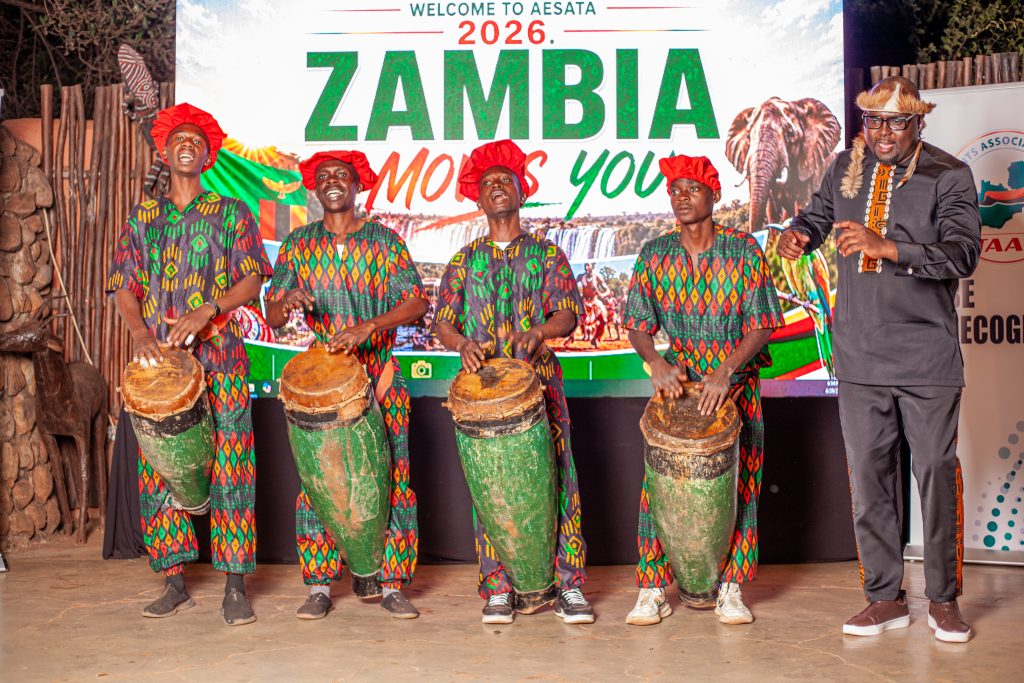
For many delegates, these informal engagements are where partnerships begin—new routes are discussed, supplier relationships strengthened and cross-border collaborations initiated.
That, ultimately, is the value of gatherings like AESATA Travel Agents’ Conference.






Not simply the exchange of ideas, but the creation of relationships capable of turning those ideas into commercial opportunities.
More Than a Conference
By the time delegates gathered for the closing ceremony and the adoption of the Livingstone Declaration, one thing had become increasingly evident.






Africa’s travel industry is no longer asking whether integration is possible.
It is asking how quickly it can happen.
For three days, Livingstone became a meeting point for the continent’s travel decision-makers.
But perhaps the most important outcome was not a keynote speech, a panel discussion or even a declaration.
It was the growing consensus that Africa’s travel future will not be built by individual markets acting alone.
It will be built by governments, airlines, travel agents, tourism boards and technology providers moving in the same direction.
Because if this year’s AESATA Conference demonstrated anything, it is that Africa in Motion is no longer just a conference theme.
It is becoming the strategy shaping the continent’s next era of travel.